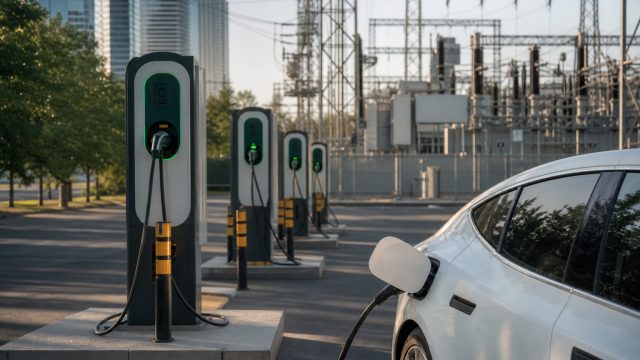
As the world shifts toward sustainable energy, electric vehicles (EVs) stand at the forefront of this transformation. However, the effectiveness of EV deployment in reducing carbon emissions is undermined by persistent inequalities in energy grid access. This article explores the critical link between equitable energy distribution and successful EV integration, highlighting why immediate action is necessary for a cleaner future.
The Current Landscape of EV Adoption
Electric vehicles are increasingly recognized as a vital part of the strategy to reduce greenhouse gas emissions. Governments and private sectors are investing heavily in EV technology and infrastructure. Yet, despite these efforts, many regions still face significant barriers to EV adoption, primarily due to inadequate energy infrastructure.
Barriers to Accessing EV Charging Infrastructure
- Geographical Disparities: Rural areas often lack sufficient charging stations, limiting EV usage.
- Economic Inequalities: Low-income communities tend to have less access to the financial resources required to invest in EVs.
- Information Gaps: Many potential EV users are unaware of the benefits or incentives available to them.
Why Addressing Grid Inequalities is Crucial Now
The urgency to address grid inequalities cannot be overstated. With climate change intensifying, the transition to EVs is imperative for lowering emissions. Here’s why tackling these disparities should be a priority:
Enhanced Public Health
Air pollution from traditional vehicles contributes significantly to public health issues, including respiratory diseases and cardiovascular problems. By ensuring that all communities have equal access to EV charging solutions, we can help significantly reduce these health risks.
Boosting Economic Opportunities
Investment in EV infrastructure can stimulate local economies, particularly in underserved areas. Providing equitable access to EV technology can create jobs and promote overall economic development.
Innovative Solutions to Bridge the Gap
To ensure that all communities can benefit from the EV revolution, innovative solutions are crucial. Here are some strategies that can help bridge the energy gap:
Community-Based Initiatives
Local governments and organizations can spearhead initiatives aimed at increasing awareness and access to EV charging infrastructure. This may include:
- Hosting educational workshops on the benefits of EVs.
- Partnering with businesses to install charging stations in areas with limited access.
- Offering financial assistance programs to low-income households for EV purchases and charging equipment.
Public-Private Partnerships
Collaborations between public entities and private companies can accelerate the deployment of charging infrastructure in underserved areas. These partnerships can leverage resources and expertise to:
- Identify optimal locations for charging stations based on community needs.
- Develop incentives for businesses to install EV chargers.
- Create comprehensive networks that ensure charging accessibility across regions.
Conclusion
As we move further into an era dominated by electric vehicles, addressing grid inequalities remains a pressing challenge that cannot be ignored. By focusing on equitable access to EV charging infrastructure, we can maximize the potential benefits of electric vehicles, not only for the environment but also for public health and economic development.
Now is the time for stakeholders—governments, businesses, and communities—to come together and create a more inclusive framework for EV adoption. Only through concerted efforts can we ensure that all communities share in the advantages of a cleaner, more sustainable future.