



As the electric vehicle (EV) industry continues to grow, Chinese automaker DFSK is intensifying its efforts to establish a significant presence in Southeast Asia. This region is witnessing an unprecedented surge in demand for electrification, prompting companies like DFSK to innovate and adapt their strategies to meet consumer needs. Understanding this landscape is crucial for stakeholders in the EV ecosystem, from manufacturers to consumers.
The Current State of EV Adoption in Southeast Asia
Electric vehicle adoption in Southeast Asia has reached new heights, driven by various factors including environmental awareness, government incentives, and advancements in technology. Countries such as Indonesia, Thailand, and Vietnam are at the forefront of this shift, showcasing a growing appetite for sustainable transportation solutions.
Government Initiatives
Governments across the region are implementing policies to encourage EV usage, such as tax breaks, subsidies, and infrastructure development. These initiatives are pivotal in establishing a supportive framework for the EV market to thrive:
- Tax incentives: Many countries offer reductions in taxes for EV purchases, making them more affordable for consumers.
- Infrastructure development: Investments in charging stations and battery swap facilities are becoming more common.
- Public awareness campaigns: Governments are promoting the benefits of EVs through education and outreach initiatives.
DFSK's Strategy for Expansion
In response to the burgeoning demand for electric vehicles, DFSK has devised a multifaceted strategy aimed at strengthening its foothold in the Southeast Asian market. The company's approach focuses on producing vehicles that cater to local preferences while also enhancing their charging infrastructure.
Localized Vehicle Production
Understanding regional preferences is key for DFSK to capture market share. The company plans to tailor its EV models to meet the specific demands of Southeast Asian consumers:
- Compact designs: Vehicles that are not only eco-friendly but also suitable for urban environments.
- Affordability: Competitive pricing strategies to attract a broader customer base.
- Innovative features: Integration of advanced technology such as smart connectivity and enhanced safety protocols.
Enhancing Charging Infrastructure
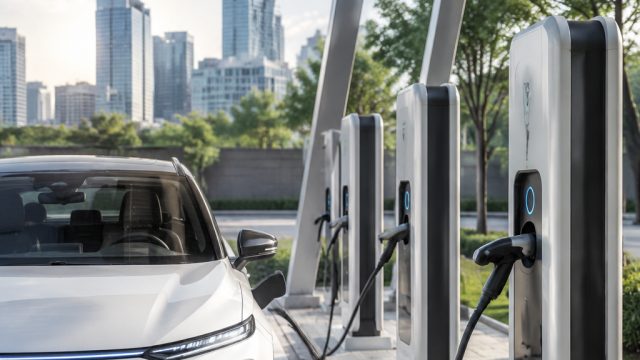
To complement its vehicle offerings, DFSK is prioritizing the development of an extensive charging network. This is crucial for easing consumer concerns about the accessibility of EV charging:
- Partnerships: Collaborating with local businesses and governments to establish charging stations.
- Fast charging solutions: Introduction of fast chargers to minimize downtime for EV users.
- Consumer education: Providing information on the benefits and ease of using EVs and associated charging options.
Why This Matters Now
The urgency of transitioning to electric vehicles cannot be overstated. As global warming and air pollution become pressing issues, Southeast Asia must adapt quickly. By enhancing its EV market presence, DFSK not only positions itself as a market leader but also contributes to a cleaner environment.
Impact on the EV Ecosystem
DFSK’s proactive measures in Southeast Asia are expected to have far-reaching implications for the electric vehicle ecosystem:
- Increased competition: Other manufacturers will likely respond to DFSK’s moves, spurring innovation across the board.
- Consumer options: A wider range of EVs will become available, catering to various consumer needs and budgets.
- Sustainable practices: Focus on eco-friendly production and charging practices will encourage more responsible consumer behavior.
Conclusion
As DFSK intensifies its efforts in Southeast Asia's electric vehicle market, the implications for the regional economy and environment are profound. The automaker's commitment to localized production and robust infrastructure development sets a standard for the industry. Stakeholders must pay close attention to these developments as they unfold, ensuring they remain informed about the changing dynamics of the EV landscape. With the right strategies in place, DFSK can play a pivotal role in shaping the future of transportation in Southeast Asia.