Key Takeaways
- Electric vehicle charging infrastructure is pivotal for commercial fleet growth.
- Southeast Asia is emerging as a key player in the EV market.
- Efficient charging solutions can reduce operational costs for businesses.
- Government incentives are driving the electric vehicle adoption in Indonesia.
- Innovations in charging technology are crucial for sustainability.
The Electric Vehicle Revolution in Southeast Asia
The transition to electric vehicles (EVs) is not just a trend; it is a transformation that is reshaping the transportation landscape. In Southeast Asia, particularly in countries like Indonesia, the demand for clean transportation solutions is rising sharply. The region's urban centers, including Jakarta, Surabaya, and Bali, are witnessing increased investments in EV infrastructure, driven by both public and private sectors.
The Indonesian government is actively supporting this shift, offering various incentives for companies transitioning to electric fleets. According to a recent report, electric vehicle sales in Indonesia are expected to increase by 25% year-on-year, highlighting the urgent need for reliable and accessible charging solutions.
Why Charging Infrastructure is Key
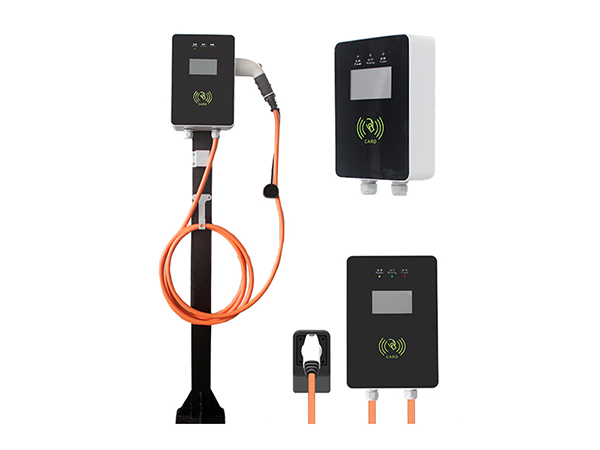
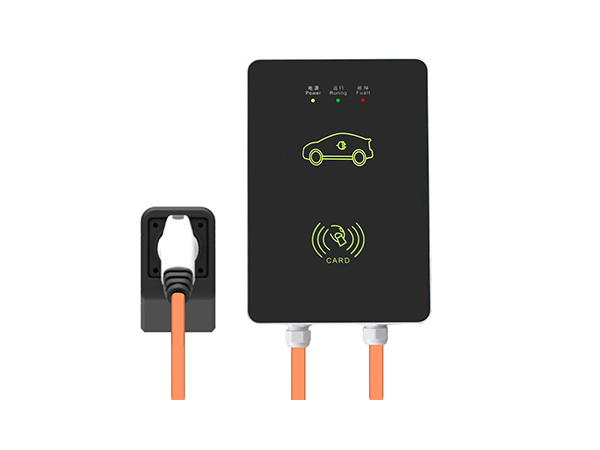
As the electric vehicle market expands, so does the need for robust charging infrastructure. Commercial vehicle operators are particularly impacted, as their fleets require consistent access to charging stations to maintain efficiency and minimize downtime. The successful integration of electric commercial vehicles hinges on establishing a widespread network of charging points that can cater to heavy-duty trucks and vans.
Challenges in EV Charging for Commercial Vehicles
One of the significant challenges faced by fleet operators is the availability of high-capacity charging stations. Unlike passenger vehicles, commercial fleets often operate on tight schedules that require quick turnaround times. A study shows that nearly 60% of fleet managers cite charging time as a barrier to adopting electric vehicles.
Innovations in Charging Solutions
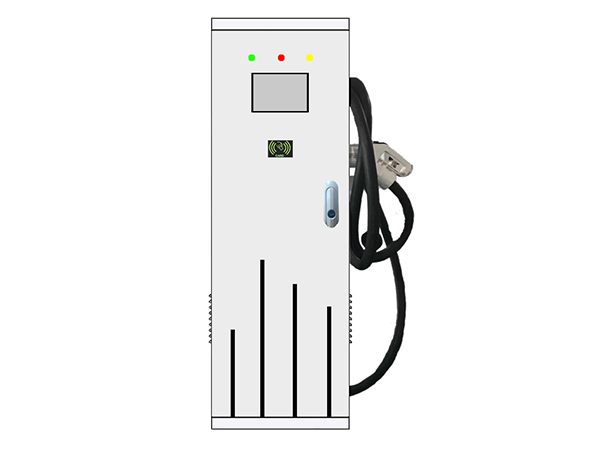
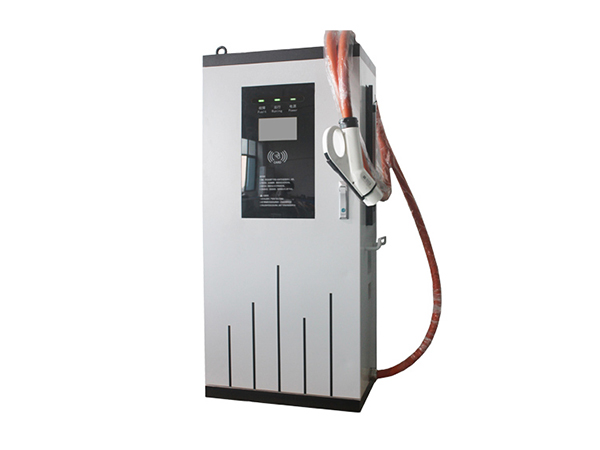
To address these challenges, innovators are developing advanced charging technologies that significantly reduce charging times. Fast-charging stations that can deliver over 300 kW can recharge commercial vehicles within 30 minutes. This innovation isn't just beneficial for fleet operators; it also paves the way for increased electric vehicle adoption across the board.
Future Prospects in Indonesia and Beyond
As the electric vehicle market continues to grow in Southeast Asia, particularly in Indonesia, the demand for efficient and reliable charging solutions will only increase. Betting on the right infrastructure will be crucial for businesses looking to transition to electric fleets. Companies that invest in advanced charging technologies stand to gain a competitive edge in this evolving landscape.
Furthermore, establishing a collaborative ecosystem among stakeholders—including governments, private sectors, and tech innovators—is essential for the success of EV initiatives. Partnerships can enhance the development of charging networks, ensuring they meet the diverse needs of the growing electric vehicle market.
Conclusion
The future of transportation in Southeast Asia lies in the hands of electric vehicles, with charging infrastructure being its backbone. As we witness rapid changes in the Indonesian market, it is clear that now is the time for businesses to adapt and invest in sustainable solutions. With the right strategies in place, companies can minimize costs, optimize operations, and become leaders in the electric revolution.