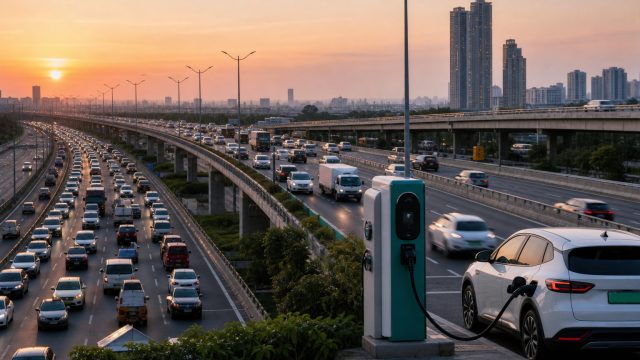
As India embarks on a transformative journey towards improved road infrastructure, the urgency for advanced electric vehicle (EV) charging solutions has never been more pronounced. The combination of rapid urban development and increasing vehicle electrification places significant pressure on existing energy systems, demanding innovative approaches to meet both current and future needs.
The Intersection of Infrastructure and Electric Mobility
The modernization of India’s road network is pivotal in facilitating seamless transportation and enhancing economic growth. According to recent reports, the government has committed to investing substantially in the nation’s highways and urban roads. This commitment not only reflects a desire to enhance connectivity and safety but also aligns with the country's broader goals of reducing carbon emissions and promoting sustainable energy solutions.
Current Trends in EV Adoption
With the surge in electric vehicle sales — bolstered by government incentives and growing environmental consciousness among consumers — the need for a robust EV charging infrastructure is critical. In 2022 alone, electric vehicle purchases soared, establishing India as one of the fastest-growing EV markets globally. The demand for charging stations is now at an all-time high, compelling stakeholders to rethink how they approach energy distribution.
- Government initiatives and subsidies for EV buyers
- Corporate partnerships to enhance charging accessibility
- Public charging stations emerging in urban centers
Challenges in Expanding EV Infrastructure
Despite the promising landscape, several challenges persist. The lack of a comprehensive national infrastructure plan for EV charging stations can hinder the growth of the electric vehicle market. Stakeholders must collaborate to create a cohesive strategy that addresses the needs of urban and rural areas alike. Key challenges include:
1. Insufficient Charging Stations
The current number of charging stations falls short of the projected demand. The establishment of charging infrastructure must keep pace with the rising number of electric vehicles on the road.
2. Voltage and Energy Supply Concerns
Inadequate energy supply in certain regions can lead to inefficiencies in charging operations. To counteract this, investments in renewable energy sources and grid improvements are essential.
3. Integration with Smart Technology
Developing smart grid technology that integrates various energy sources and manages EV charging effectively is crucial for handling increased load demands during peak hours.
The Role of EV Charging Solutions in Urban Planning
Urban planners play a vital role in integrating EV charging solutions into new infrastructure projects. A well-designed urban environment that accommodates EV charging stations can significantly reduce charging wait times and improve user experience. Here’s why integrating EV chargers into urban planning is essential:
- Enhanced Accessibility: Strategically placed charging stations ensure that drivers have convenient access to charging, promoting electric vehicle usage.
- Support for Urban Mobility: Integrating EVs into public transportation systems enhances mobility efficiency and reduces overall emissions.
- Long-term Economic Benefits: A focus on sustainable infrastructure can attract investments and stimulate local economies.
Conclusion: A Collaborative Approach to Future Mobility
The rapid evolution of India's road infrastructure necessitates urgent and innovative charging solutions for electric vehicles. By addressing the challenges associated with expanding EV infrastructure and integrating these solutions into urban planning, India can facilitate a seamless transition to electric mobility. Collaboration among government, private sector players, and communities is crucial to develop a comprehensive approach that not only meets current demands but also anticipates future needs. The time to act is now, and the direction India takes will significantly influence the future of transportation in the region.