
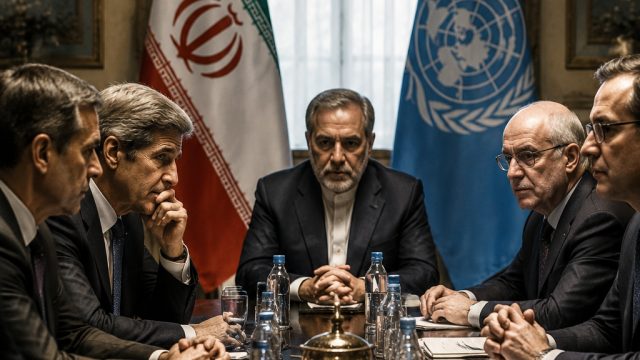
As tensions rise around the nuclear negotiations with Iran, the role of international nuclear inspectors comes into sharper focus. The latest developments indicate a complex relationship between Iran's commitments and the demands of global powers. This situation is crucial not only for regional security but also for the broader implications it holds for international diplomacy.
The Current State of Negotiations
In recent statements, the head of the U.N. nuclear agency has confirmed plans for inspections at Iranian nuclear sites. However, Iran has responded by asserting that these inspections will only occur after an official agreement is reached. This back-and-forth highlights a significant stalemate that could derail ongoing diplomatic efforts aimed at curbing Iran's nuclear ambitions.
Challenges Facing Diplomacy
The challenge lies in the differing perspectives of the involved parties. While the U.N. insists on immediate access for inspections to verify compliance with existing agreements, Iranian officials maintain that any such steps require a finalized deal. This contradiction raises critical questions about trust and verification in international agreements.
Key Implications for Global Security
- Regional Stability: A failure to reach a consensus could lead to increased tension in the Middle East, potentially igniting conflicts that may affect neighboring countries.
- Nuclear Proliferation Risks: If Iran perceives a lack of commitment from international stakeholders, it might accelerate its nuclear program, prompting concerns over nuclear proliferation.
- International Relations: This impasse could strain relationships not only between Iran and the U.S. but also with key allies involved in the negotiations.
The Role of International Inspections
International inspections play a vital role in ensuring compliance with nuclear agreements. They serve as a mechanism for building trust and transparency between nations. However, the efficacy of these inspections depends on the willingness of nations to cooperate fully.
Iran's Position on Inspections
Iran has consistently emphasized its sovereignty and right to manage its nuclear program without external interference. Tehran's insistence on a finalized deal prior to allowing inspections suggests a strategic maneuver to leverage negotiations in its favor.
The Risks of Continued Stalemate
- Potential Military Escalation: Should diplomatic solutions fail, military options may be revisited, raising the stakes significantly.
- Impact on Global Energy Markets: Heightened tensions could lead to fluctuations in oil prices, affecting economies globally.
- Influence on Other Nuclear Programs: How this situation unfolds may affect perceptions of nuclear agreements in other parts of the world.
Conclusion: A Call for Diplomatic Engagement
As the world watches this situation unfold, the need for effective diplomacy has never been more crucial. The stakes are high, not just for Iran and its neighboring countries, but for global security as a whole. It is essential for all parties involved to move towards a resolution that prioritizes transparency and cooperation over confrontation. The international community must encourage open dialogue and constructive engagement to navigate this challenging landscape.
In these critical moments, maintaining a focus on diplomatic solutions could pave the way for a more stable and secure future, reaffirming the importance of international cooperation in addressing global challenges.