
As the world intensifies its focus on sustainability, urban areas are emerging as critical players in the electric truck revolution. Major cities globally are not just adopting electric vehicles (EVs) for personal use but are actively transforming their freight and transport sectors. This shift is essential for reducing emissions, improving air quality, and fostering a sustainable future.
The Current Landscape of Electric Truck Adoption
The transition to electric trucks is gaining momentum, particularly in metropolitan regions where the demand for cleaner transport solutions is acute. Cities like Los Angeles, London, and Amsterdam are leading the charge by implementing policies aimed at reducing greenhouse gas emissions and promoting the use of electric trucks for logistics and goods transport.
The Role of Policy and Incentives
- Government Initiatives: Many cities have introduced incentives for businesses to switch to electric trucks, including tax breaks and grants.
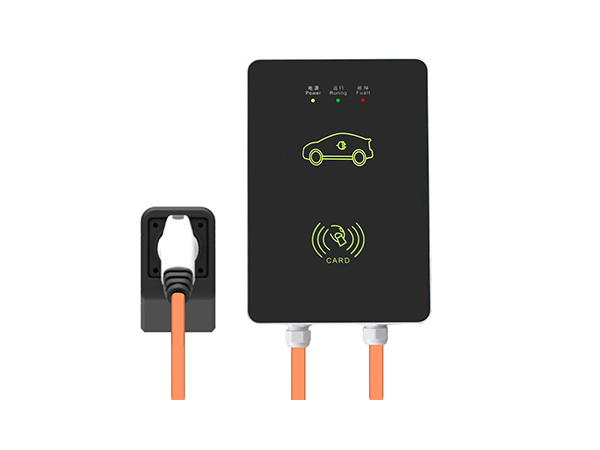
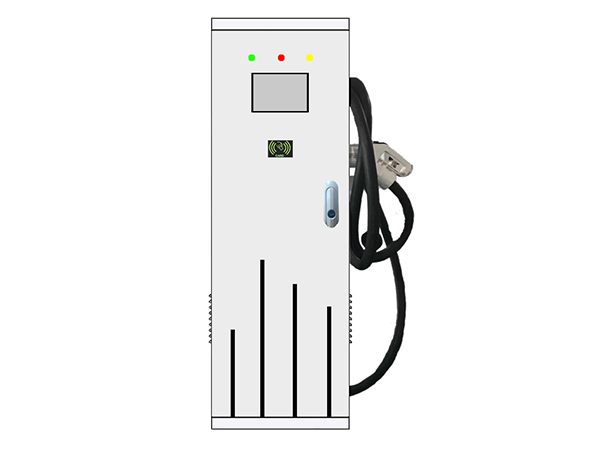
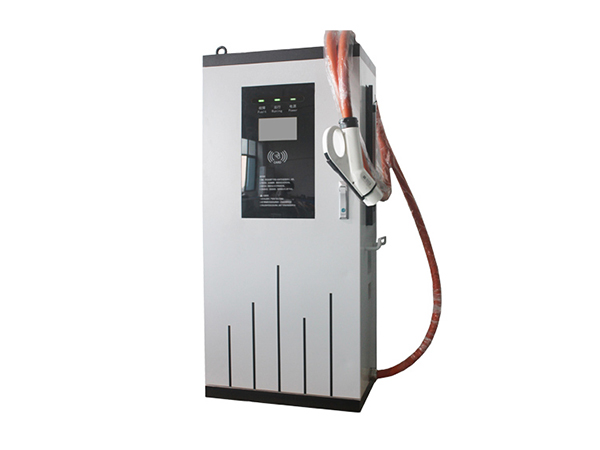
- Charging Infrastructure: Investments in charging stations are critical to supporting the electric truck fleet. Cities are prioritizing the installation of fast chargers in key logistics areas.
- Regulations: Stricter emissions regulations are pushing companies to adopt electric vehicles, setting ambitious targets for fleet conversion.
The Economic Impact of Electric Trucking
Transitioning to electric trucks is not just an environmental necessity; it also presents significant economic opportunities. A report by the International Council on Clean Transportation highlights that electric trucks can reduce operational costs for businesses related to fuel, maintenance, and emissions compliance.
Benefits for Businesses
- Lower Fuel Costs: Electric trucks are cheaper to fuel than their diesel counterparts, especially with the rise of renewable energy sources.
- Reduced Maintenance: Electric vehicles generally have fewer moving parts than traditional vehicles, leading to lower maintenance costs.
- Enhanced Brand Image: Companies that invest in sustainable transport solutions can improve their reputation among consumers increasingly concerned about environmental issues.
Challenges Ahead for Electric Truck Integration
While the shift to electric trucks is promising, several challenges must be addressed to ensure their successful integration into urban logistics. Key obstacles include the upfront costs of electric vehicles, the need for expanded charging infrastructure, and range anxiety among operators.
Addressing Infrastructure Gaps
One of the most pressing issues is the lack of adequate charging infrastructure. Without sufficient charging stations, particularly in strategic logistics hubs, the widespread adoption of electric trucks could be stunted. Cities must work collaboratively with private companies and stakeholders to build comprehensive charging networks.
Innovations in Battery Technology
Advancements in battery technology are crucial to overcoming limitations in range and charging speed. Improved battery performance will reduce range anxiety and enable electric trucks to handle longer delivery routes effectively.
Global Perspectives on Electric Truck Initiatives
Globally, various cities are setting exemplary standards in electric truck initiatives. For instance, Shenzhen, China, has transitioned its entire fleet of over 16,000 buses and taxis to electric, serving as a model for other cities. Similarly, cities in Europe are integrating electric trucks into their public transportation systems to reduce emissions and improve urban air quality.
Learning from Best Practices
To facilitate a successful transition, cities can learn from each other by sharing best practices and collaborative strategies. Conferences and workshops focused on electric transportation can help disseminate knowledge and spur innovation.
Conclusion: The Future of Urban Transport
The electric truck revolution signifies a significant shift toward sustainable urban transport solutions. With cities at the forefront of this transition, the potential for reducing carbon emissions and enhancing public health is immense. As more urban areas adopt electric trucks and bolster their infrastructure, we move closer to a cleaner, greener future. Businesses and consumers alike will benefit from these advancements, making the electric truck revolution not just timely, but essential.