Key Takeaways
- Fleet electrification significantly boosts EV adoption in Southeast Asia.
- Indonesia is a key player in this transformative trend.
- Businesses benefit from reduced operational costs through electrification.
- Sustainability efforts are strengthened with the transition to electric fleets.
- Government initiatives in Indonesia support this electrification movement.
The Urgency of Electrifying Fleets
As electric vehicle (EV) technology continues to evolve, fleet electrification emerges as a pivotal strategy for businesses in Southeast Asia, particularly in Indonesia. This move is crucial not only for complying with environmental regulations but also for tapping into new market potentials.
According to recent reports, the Indonesian government aims to have 2.2 million electric vehicles on the road by 2025. This ambitious target indicates a strong push towards sustainable transportation, fueled by a growing awareness of the environmental impacts of traditional vehicles. As of now, cities like Jakarta are seeing increasing investments in EV infrastructure, including charging stations and incentives for electric fleet adoption.
Economic Benefits of Electrification
Beyond the environmental advantages, electrifying fleets presents significant economic benefits. Businesses can enjoy lower fuel costs and reduced maintenance expenses associated with electric vehicles. For instance, a study found that electric vans can save companies up to $1,700 annually in fuel alone compared to their gasoline counterparts. This cost-effectiveness is particularly compelling for logistics companies operating in densely populated areas like Surabaya and Bali.
Government Support and Initiatives
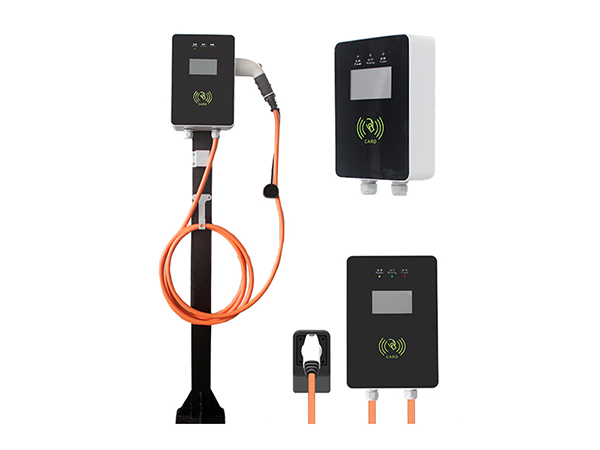
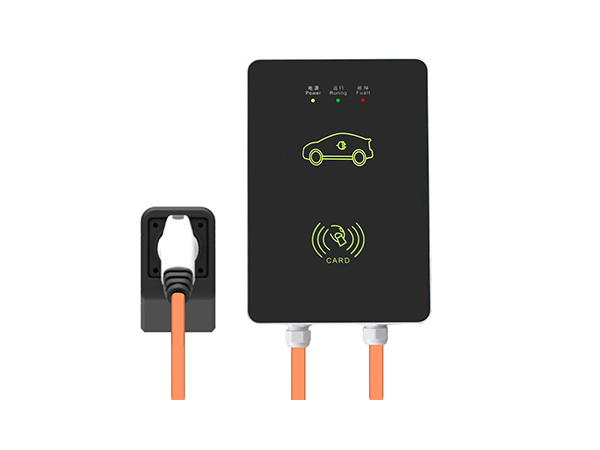
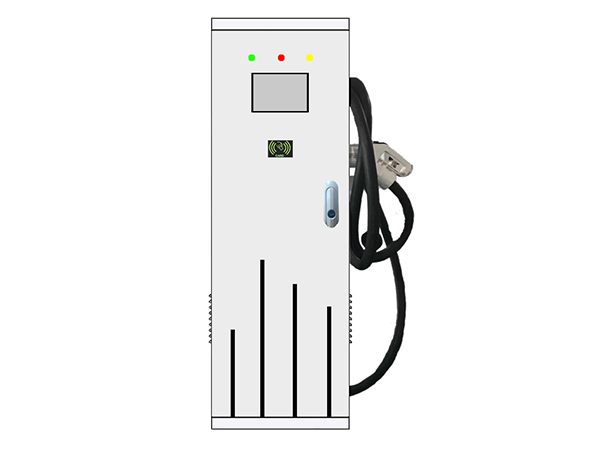
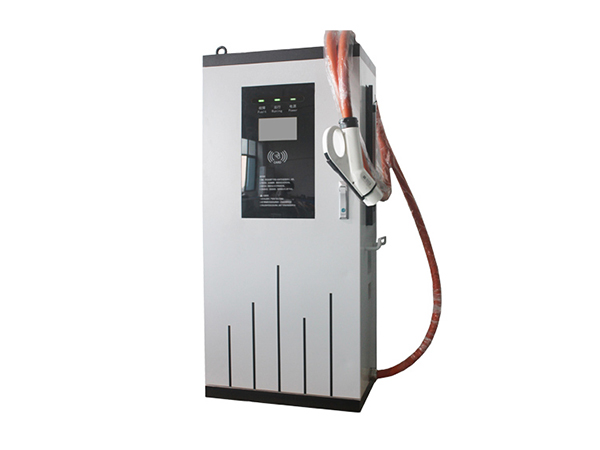
The Indonesian government has been proactive in promoting the adoption of electric vehicles through various incentives. These include tax breaks for EV purchases and subsidies for charging infrastructure development. The Ministry of Transportation announced in early 2023 a plan to establish 5,000 charging stations across the nation, which will facilitate the growth of electric fleets.
Moreover, initiatives like the "100 Smart Cities Movement" aim to integrate electric vehicles into urban planning, paving the way for a more sustainable future. These measures not only assist businesses in transitioning to electric fleets but also contribute to national goals of reducing carbon emissions.
Challenges on the Path to Electrification
While the benefits are substantial, challenges remain. One major hurdle is the initial investment in electric vehicles and charging infrastructure, which can be prohibitive for some companies. Additionally, the current range limitations of EVs can pose logistical issues, especially in regions where charging facilities are sparse.
To address these challenges, collaboration between the public and private sectors is essential. Companies are exploring partnerships with technology firms to develop more efficient charging solutions and expand the accessibility of charging stations throughout the region.
The Future: A Sustainable Landscape
As Southeast Asia progresses towards a more sustainable future, fleet electrification stands at the forefront of this transition. Companies embracing electric vehicles not only enhance their brand image as environmentally responsible but also position themselves competitively in an evolving marketplace.
The potential for growth in the EV sector is immense, particularly in Indonesia, which is anticipated to become a leader in Southeast Asia's electric vehicle market. With supportive government policies and a growing infrastructure, businesses that pivot towards electrification will likely reap the benefits in both the short and long term.
Conclusion
In conclusion, fleet electrification represents a critical opportunity for businesses in Southeast Asia to innovate and adapt to a changing economic landscape. With the Indonesian market leading the charge, companies must consider electrification not just as an option but as a vital strategy for future success.