Key Takeaways
- Southeast Asia's EV market is projected to grow exponentially by 2025.
- Indonesia aims to have 2 million electric vehicles on the road by 2025.
- Government incentives are encouraging EV adoption and infrastructure development.
- Consumer demand for sustainable solutions is pushing innovation in EV charging technology.
- Partnerships are forming between startups and established firms to enhance EV infrastructure.
The Expanding EV Landscape in Southeast Asia
Southeast Asia is emerging as a crucial player in the electric vehicle (EV) revolution, with Indonesia taking the lead. Factors such as government initiatives, population density, and increasing environmental awareness are driving this transformation. As the global focus shifts towards sustainability, the region's potential for electric vehicle adoption has never been more critical.
Government Initiatives Boosting EV Adoption
The Indonesian government is set to implement multiple policies aimed at fostering a robust EV ecosystem. With a target of having 2 million electric vehicles on the road by 2025, initiatives include tax incentives for consumers and investments in charging infrastructure. This initiative not only aims to reduce carbon emissions but also seeks to decrease reliance on fossil fuels.
Investment in Charging Infrastructure
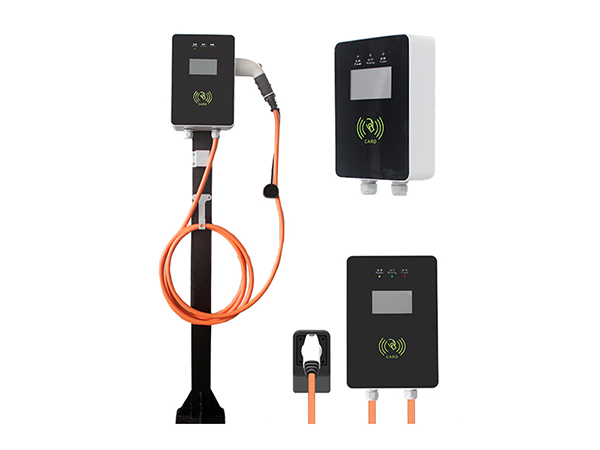
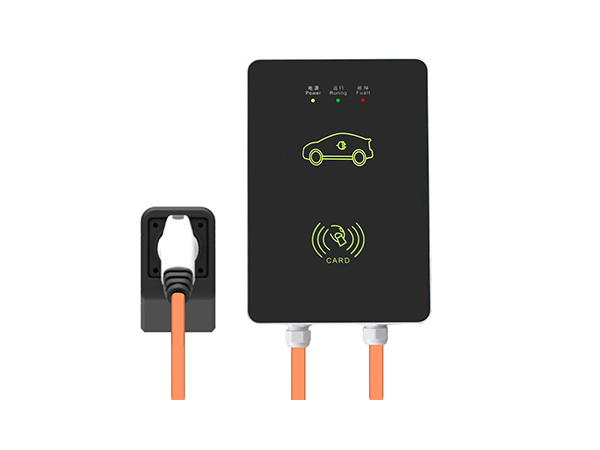
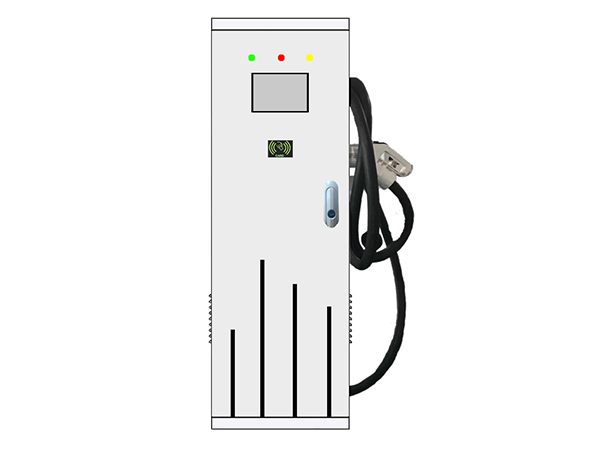
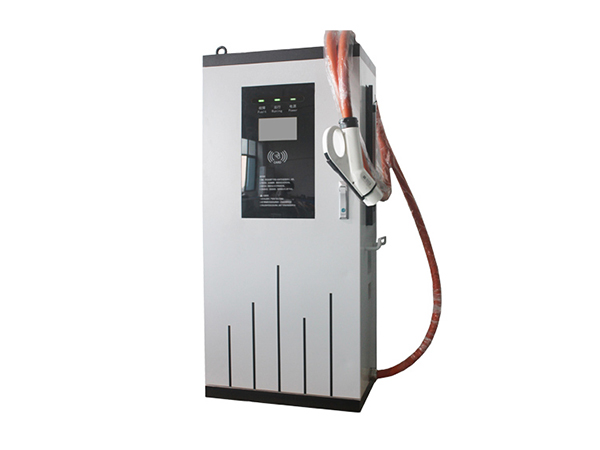
To support its ambitious EV goals, Indonesia is focusing on creating a comprehensive network of charging stations. This includes public and private partnerships that leverage the expertise of both local and international companies. By 2025, the country plans to have over 1,000 charging stations strategically located across major cities such as Jakarta, Surabaya, and Bali.
Challenges and Opportunities
While the opportunities are abundant, challenges remain. The current electricity grid infrastructure must be upgraded to support the influx of EVs. However, such challenges are paving the way for innovation in renewable energy solutions, including solar-powered charging stations, which can offer a sustainable alternative.
Consumer Demand for Sustainable Solutions
As consumers become more environmentally conscious, the demand for electric vehicles continues to rise. Surveys indicate that a significant portion of the population in Indonesia is willing to switch to EVs if accessible charging solutions are available. This consumer sentiment is crucial as it directly influences market dynamics and encourages businesses to invest in EV technologies.
The Role of Technology in EV Charging
The technological advancements in charging solutions are also noteworthy. Fast-charging technologies are being developed to minimize downtime for EV users, making electric vehicles more appealing to the average consumer. Moreover, apps and platforms like Elmoraq are emerging to facilitate smoother navigation of charging options, providing real-time data on station availability and charging speed.
Fostering Collaboration and Innovation
Collaboration is essential in this fast-evolving landscape. Startups are partnering with established automotive manufacturers and tech companies to create innovative charging solutions. These collaborations are not only enhancing the user experience but are also driving research and development in EV technologies.
Looking Ahead: The Future of EV Charging in Southeast Asia
As Indonesia and its neighboring countries embrace electric mobility, the future of EV charging solutions appears bright. With a combined effort from the government, private sector, and consumers, Southeast Asia is poised to become a hub of electric vehicle innovation and sustainability. This transformation reflects a broader global trend towards greener transportation solutions, positioning the region as a leader in the fight against climate change.
Conclusion
The emergence of Southeast Asia, particularly Indonesia, as a key player in the EV charging market signifies a vital shift towards sustainable energy solutions. With government backing and consumer support, the region's commitment to electric mobility is stronger than ever. As the landscape continues to evolve, stakeholders must remain adaptable to harness the full potential of electric vehicles and charging infrastructure.