Key Takeaways
- Copper theft incidents have surged in recent months.
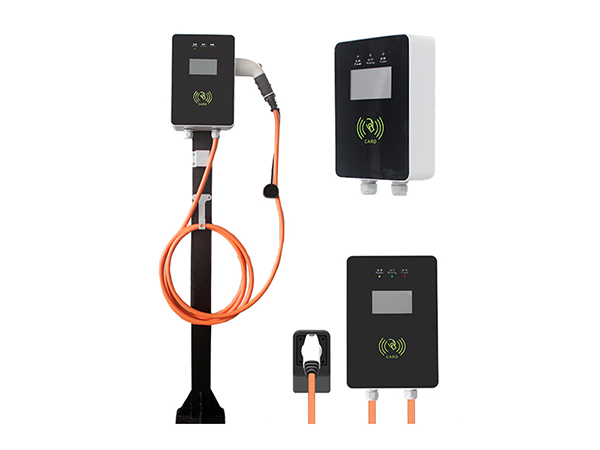
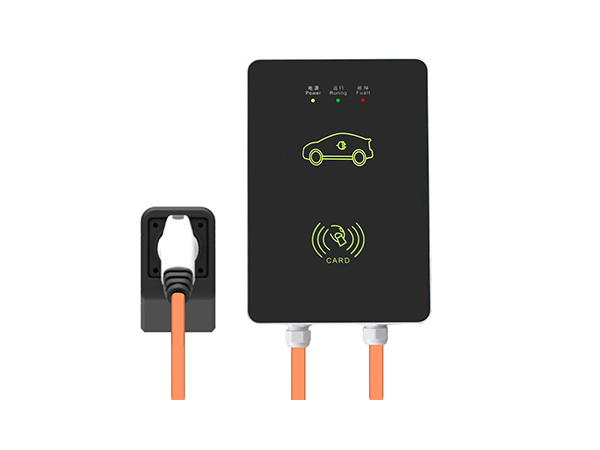
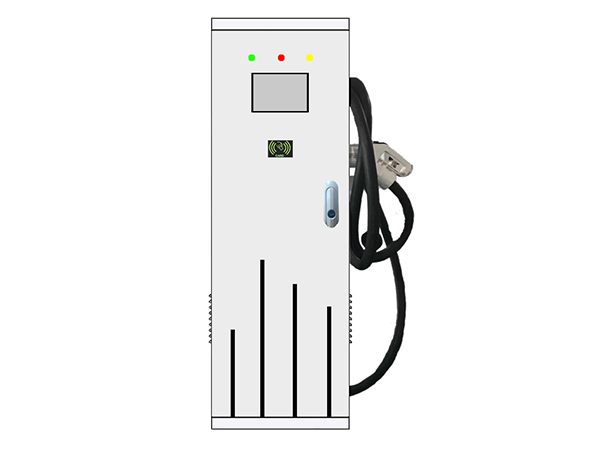
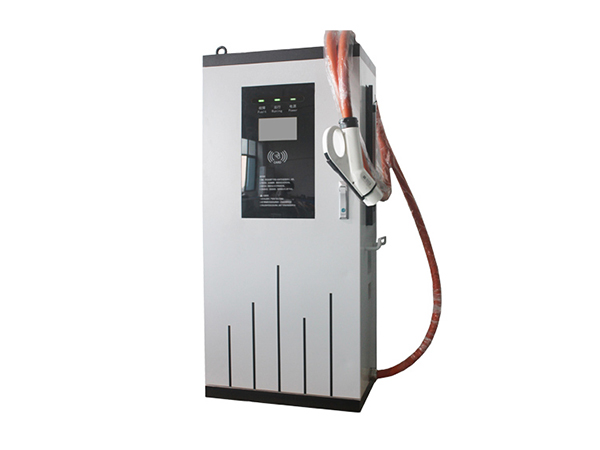
- EV chargers are particularly vulnerable to this type of crime.
- Security measures are crucial to protect charging stations.
- Local authorities are urged to enhance surveillance and deterrents.
- Impact on infrastructure could slow down EV adoption in the region.
The Growing Problem of Copper Theft
In an alarming trend, the theft of copper wiring from EV charging stations is escalating. This criminal activity not only affects the functionality of charging infrastructure but also poses a significant risk to the overall transition towards electric vehicles (EVs). As Southeast Asia, especially countries like Indonesia, sees increased adoption of electric vehicles, the security of charging stations becomes paramount. A wave of copper thefts threatens to undermine public confidence in EV technology.
Understanding the Impact
The spike in copper theft can be attributed to various factors, including rising metal prices and a growing black market for stolen materials. Southeast Asia, including key urban areas like Jakarta and Surabaya, is particularly susceptible due to the expanding network of EV chargers. As reported, several charging stations have experienced shutdowns due to theft, leading to inconvenience for users and potential financial losses for operators.
Urgent Need for Enhanced Security
Operators of EV charging stations must take immediate steps to protect their infrastructure. Implementing robust security measures such as surveillance cameras, motion sensors, and regular inspections can help deter potential thieves. Additionally, partnering with local law enforcement and communities to increase awareness can further bolster security. Operators should also consider incorporating tamper-proof materials in their installations to reduce the risk of theft.
Technological Solutions
Advancements in technology present potential solutions for enhancing the security of EV charging stations. Smart surveillance systems that utilize AI can monitor real-time activity and alert authorities instantly in case of suspicious behavior. Moreover, integrating IoT devices can allow operators to track usage patterns and identify anomalies that may indicate theft attempts.
Community and Government Involvement
Collaboration between charging station operators, local governments, and communities is essential to combat this growing issue. Increased vigilance and reporting mechanisms can help to rapidly address theft incidents. In areas like Bali, where tourism is essential, protecting EV charging infrastructure is not only vital for residents but also for the millions of visitors depending on these facilities.
Encouraging Public Awareness
Creating public awareness campaigns can inform EV users about the importance of reporting suspicious activities around charging stations. Engaging locals in community watch programs can build a sense of ownership and responsibility towards maintaining these facilities. Local authorities should actively encourage participation and provide platforms for reporting incidents.
Conclusion
The ongoing rise in copper theft from EV charging stations presents a critical challenge for the electric vehicle sector in Southeast Asia. With the region’s commitment to green energy solutions, ensuring the security of charging infrastructure is essential. By implementing comprehensive security measures, leveraging technology, and fostering community involvement, stakeholders can mitigate risks and enhance the reliability of EV charging networks. Protecting these assets is crucial to maintain momentum in the transition to sustainable electric mobility.