
In a significant step toward a sustainable future, Cambodia has secured a $63 million investment aimed at enhancing its renewable energy capacity. As the world increasingly shifts towards sustainable practices, this financial boost positions Cambodia as a crucial player in the regional energy landscape. The recent development underlines the urgent need for eco-friendly energy solutions, especially in the context of electric vehicle (EV) charging infrastructure.
Why This Investment Matters Now
With global concerns about climate change and energy sustainability on the rise, Cambodia's commitment to renewable energy integration is timely. The investment signals a commitment to reducing greenhouse gas emissions and transitioning to more sustainable energy sources. The funds will primarily be used to develop and integrate renewable energy systems, which is essential as the adoption of electric vehicles surges.
Impact on EV Charging Infrastructure
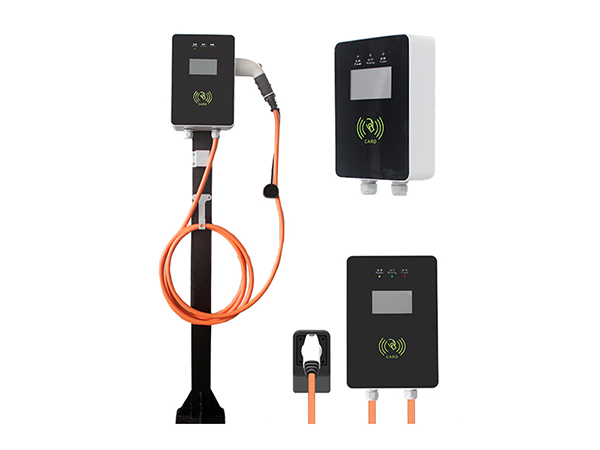
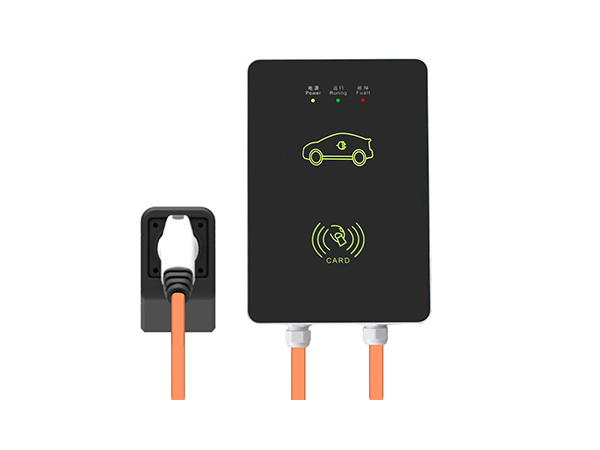
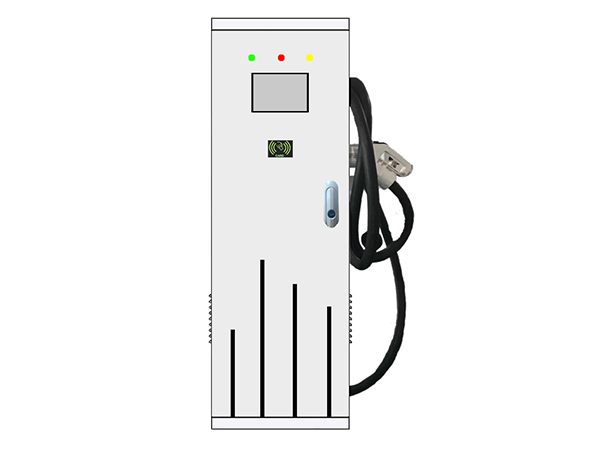
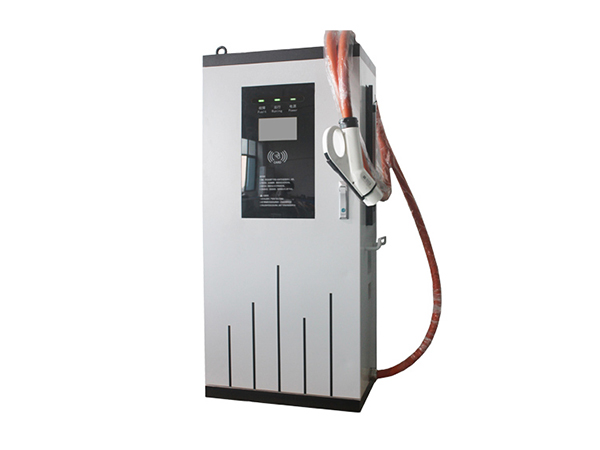
As electric vehicles become more popular, the demand for efficient charging solutions is increasing. The investment in renewable energy is expected to enhance the infrastructure necessary for EVs. Here’s how this initiative aligns with the growth of the EV market:
- Increased Charging Stations: With a stronger renewable energy framework, there will be more charging stations powered by clean energy, making EV ownership more appealing.
- Reduction in Operating Costs: By utilizing renewable energy, operating costs for charging stations can decrease, ultimately benefiting EV users.
- Support for Local Economies: New jobs and opportunities will arise not only in the renewable sector but also in the related fields of EV maintenance and support services.
Regional Influence and Collaboration
Cambodia's investment also opens avenues for regional cooperation in renewable energy. Neighboring countries will likely observe Cambodia’s efforts, prompting collaborative projects that may lead to a more interconnected energy grid in Southeast Asia. Here’s why such collaboration is critical:
- Shared Resources: Countries can exchange energy resources, balancing supply and demand across the region.
- Innovation and Technology Transfer: Working together on renewable projects can facilitate the transfer of technology and best practices, leading to more efficient energy solutions.
- Enhanced Energy Security: A collaborative approach can enhance the energy security of the region, reducing reliance on fossil fuels.
Challenges Ahead
Despite the optimism surrounding this investment, Cambodia will face challenges on its path to renewable energy integration. Some potential obstacles include:
- Infrastructure Development: The existing infrastructure may require significant upgrades to support new renewable energy technologies.
- Funding and Investment: Continuous funding will be necessary to maintain and expand renewable initiatives beyond the initial investment.
- Public Awareness: Educating the public about the benefits of renewable energy and EVs will be crucial for widespread adoption.
Looking Ahead: The Future of Energy in Cambodia
As Cambodia embarks on this transformative journey, the focus will be on not just increasing renewable energy capacity, but also ensuring accessibility and affordability for its citizens. The integration of renewable energy solutions will pave the way for a sustainable future, encouraging more individuals to consider electric vehicles as a viable option.
In conclusion, Cambodia's $63 million investment in renewable energy is a critical step that aligns with global efforts to combat climate change and promote sustainable transportation. As we look to the future, the development of robust EV charging infrastructure powered by renewable resources will not only benefit the environment but also enhance the economic landscape of Cambodia.