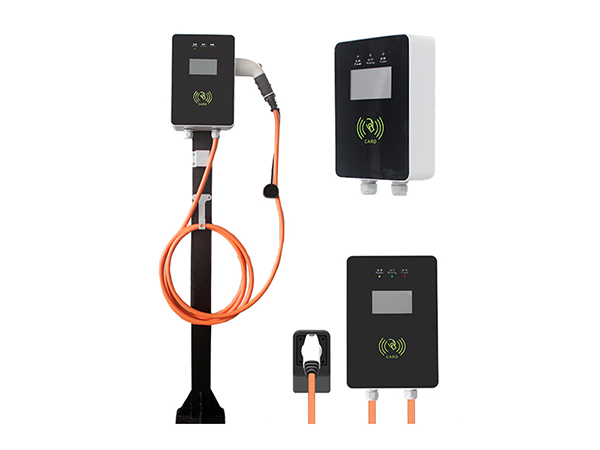
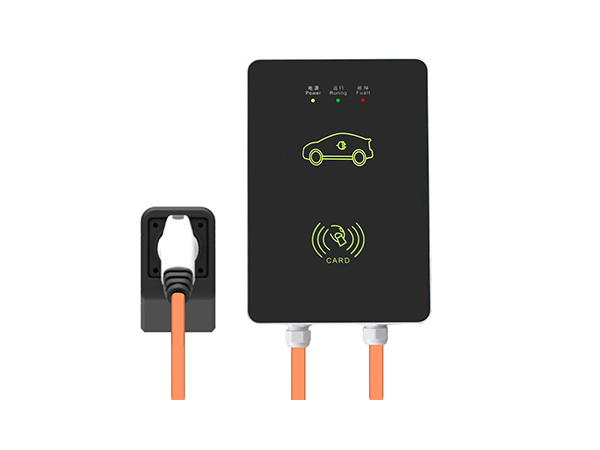
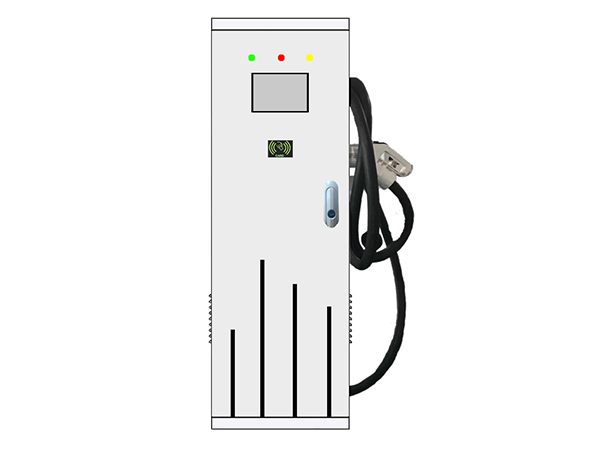
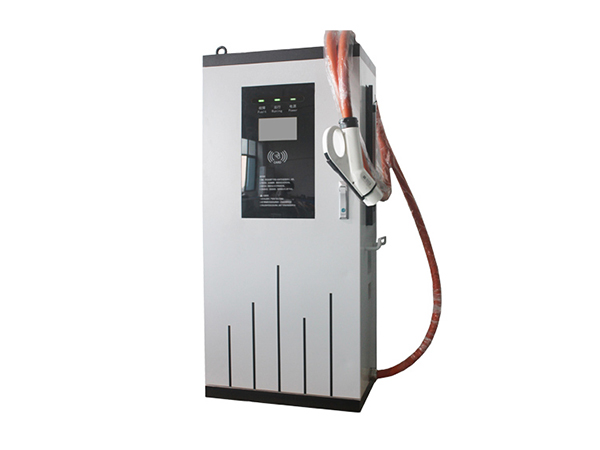
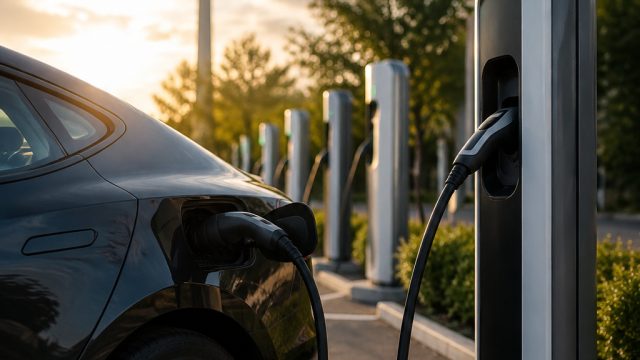
The shift towards electric vehicles (EVs) is not just a trend but a necessary evolution for our environment and economy. As the demand for EVs surges globally, so does the need for an extensive and accessible charging infrastructure. Recent calls from lawmakers highlight the urgency of expanding EV charging points, ensuring that we are prepared for a future where electric vehicles dominate our roads.
Why More Charging Stations Are Essential Now
The exponential rise in electric vehicle sales, driven by increased environmental awareness and government incentives, is creating a pressing need for more charging stations. According to recent data, the number of EVs on the road has surged, but charging infrastructure has not kept pace. This gap poses a significant challenge for potential EV buyers who are concerned about range anxiety and the availability of charging facilities.
Current Landscape of EV Charging Infrastructure
- As of 2023, there are approximately 100,000 public charging stations across the U.S., a figure that needs to triple by 2030 to meet demand.
- Many rural and suburban areas still lack sufficient charging options, discouraging EV adoption.
- Urban centers often experience congestion at charging stations, indicating the need for more capacity.
Lawmakers are advocating for increased funding and resources to develop charging networks, especially in underserved communities. The aim is to ensure equitable access to EV charging points, facilitating a broader transition to electric vehicles.
Impact on Consumer Choices
As the infrastructure evolves, consumer behavior is likely to shift significantly. Enhanced availability of charging stations is expected to eliminate many reservations associated with transitioning to electric vehicles. This transformation in consumer sentiment could lead to:
- Increased EV sales, further incentivized by government rebates and tax credits.
- Rising interest from manufacturers to invest in electric models, knowing that infrastructure is adequate.
- Fostering a stronger association between eco-friendliness and modern driving.
Technological Innovations in Charging Stations
The future of EV charging is not just about quantity but also about quality and efficiency. Innovative technologies are being integrated into charging stations, such as:
- Fast Charging Solutions: Advances in charging technology have reduced charging times significantly, making it feasible for users to charge vehicles in under 30 minutes.
- Smart Charging: Utilizing apps to locate charging stations and check availability in real-time enhances user convenience.
- Renewable Energy Sources: Many new charging stations are being powered by renewable energy, contributing to a more sustainable energy ecosystem.
Legislative Support and Future Outlook
The call for more charging points is echoed by various stakeholders, including environmental groups and automotive manufacturers. Recent legislative proposals seek to allocate significant funding toward enhancing the EV charging infrastructure. By investing in this critical area, we are not only supporting the auto industry but also taking decisive action against climate change.
What Can You Do?
As consumers, there are proactive steps you can take to support this transition:
- Consider purchasing an electric vehicle, knowing that your choice contributes to reduced emissions.
- Advocate for local and national policies that promote the development of charging infrastructure.
- Engage with your community to support initiatives that foster sustainable energy practices.
Conclusion
Expanding EV charging infrastructure is a critical component of a sustainable future. It is not just about meeting current demands but preparing for a cleaner, greener world. As conversations around infrastructure ramp up, it is essential for all stakeholders—governments, businesses, and consumers—to come together and push for the necessary changes. The future of mobility is electric, and it starts with building the right foundation for charging our vehicles.