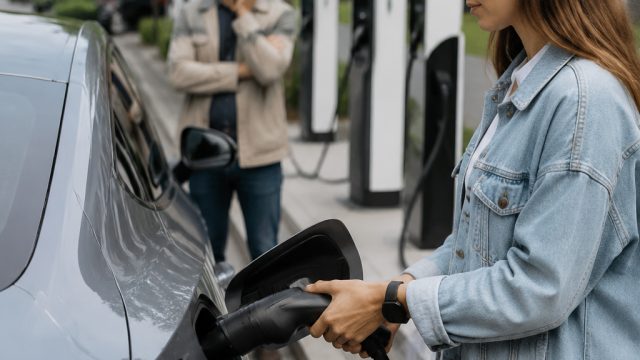
The rise of electric vehicles (EVs) represents a pivotal shift in the global automotive landscape. While the benefits of EVs are widely acknowledged, recent public feedback highlights a significant concern: inadequate charging infrastructure. This poses questions about the future of EV adoption and the urgency of addressing these infrastructure gaps.
Public Sentiment on Electric Vehicles
Citizens across various regions have expressed strong support for electric vehicles due to their environmental benefits and reduced reliance on fossil fuels. A recent survey indicates that a majority of consumers are willing to switch to EVs, provided adequate supporting infrastructure is in place. Yet, the reality of limited charging stations makes this transition challenging.
Why Now? The Need for Action
As the world grapples with climate change and seeks sustainable solutions, the importance of transitioning to electric vehicles cannot be overstated. However, the lack of reliable charging stations can deter potential EV users. Many consumers report feeling concerned about being stranded without charging options, a sentiment that is echoed by numerous studies.
Infrastructure Shortcomings: A Barrier to Adoption
Despite the enthusiasm surrounding EVs, infrastructure inadequacies remain a pressing issue. Current statistics reveal a disparity between the number of EVs on the road and the available charging stations. This challenges the notion of a seamless transition to electric mobility.
- Insufficient charging points in urban areas
- Limited availability in rural and suburban locations
- Inconsistent charging speeds across platforms
- High installation costs for home charging solutions
Regional Disparities in Charging Access
The infrastructure gap varies significantly depending on the region. Urban centers typically have more available charging stations compared to rural areas, where access can be sparse. Additionally, some regions have embraced initiatives to expand EV infrastructure, while others lag behind.
Strategies for Improvement
Addressing the infrastructure challenges is crucial for increasing EV adoption. Governments, private companies, and local communities must collaborate to enhance charging capabilities. Here are some effective strategies:
1. Government Incentives
Offering tax breaks or subsidies for companies that install charging stations can stimulate growth in infrastructure development. Governments can also allocate funds specifically for enhancing EV support networks.
2. Public-Private Partnerships
Collaborations between the public sector and private enterprises can lead to accelerated infrastructure development. By pooling resources and expertise, stakeholders can create a robust charging network.
3. Community Engagement
Involving local communities in the planning process ensures that the needs of residents are addressed. Public feedback can guide optimal location choices for charging stations, making them more accessible.
Looking Ahead: The Future of EVs
As the shift towards electric vehicles accelerates, it's essential for stakeholders to prioritize infrastructure development. The successful uptake of EVs hinges not only on raising public awareness but also on overcoming the existing infrastructural barriers.
In conclusion, while public sentiment towards electric vehicles remains positive, the urgency of resolving infrastructure issues cannot be ignored. By implementing effective strategies, we can create an environment conducive to the mass adoption of EVs. This transition is not just a matter of convenience; it is a critical step toward a sustainable future. Now is the time to act and ensure that our charging infrastructure meets the needs of tomorrow's electric vehicle users.