



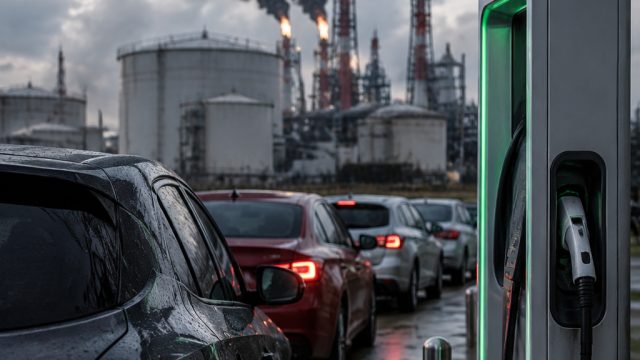
As the ongoing conflict between Russia and Ukraine escalates, significant challenges are emerging in energy supply chains, particularly concerning diesel and other fuel exports. Recent drone attacks on Russian refineries have severely disrupted production, leading to a potential ban on diesel exports and raising alarms about fuel availability in both Russia and its neighboring territories.
The Impact of Ukrainian Drone Strikes
Ukrainian forces have increasingly targeted Russian refineries, resulting in substantial damage to key infrastructure. This has led to a noticeable decrease in fuel production, with experts warning that the situation could deteriorate further if attacks continue. The implications are far-reaching, affecting not only military logistics but also civilian supplies.
Fuel Production and Export Projections
- Refinery Damage: Ongoing attacks have rendered several refineries inoperable, directly affecting output rates.
- Export Bans: In response to dwindling supplies, there is growing speculation about Russia implementing a ban on diesel exports.
- Civilian Consequences: The anticipated fuel shortages may lead to increased prices and limited access for everyday consumers.
Potential Ban on Diesel Exports
Russian officials are reportedly considering a ban on diesel exports to manage the domestic fuel crisis. This measure, if enacted, would signify a major shift in Russia's energy policy, moving from an exporter to prioritizing local needs. Such a ban is seen as a desperate move to stabilize the internal market amid growing shortages.
Reasons for the Diesel Export Ban
- Maintaining Supply: Prioritizing local supply chains is critical to ensure that citizens have access to heating and transportation fuel.
- Political Pressure: With increasing domestic pressure from both the public and businesses, the government may feel compelled to act.
- Economic Stability: By controlling exports, the Kremlin aims to mitigate the economic downturn triggered by the conflict.
Broader Economic Implications
The fuel crisis in Russia is not an isolated issue; it has broader implications for the global energy market. As Russia grapples with its energy export capabilities, other nations may feel the effects, particularly those reliant on Russian oil and gas supplies.
Global Energy Market Reactions
- Price Fluctuations: Analysts anticipate that prices for crude oil and diesel could spike as supply chains tighten.
- Shifts in Supply Routes: Countries may need to reevaluate their energy sources, leading to increased demand for alternative suppliers.
- Renewable Energy Focus: The crisis may accelerate the transition towards renewable energy solutions as nations seek to reduce dependence on fossil fuels.
Conclusion: Preparing for Uncertain Times
The evolving situation in Russia highlights the interconnectedness of global energy markets and the fragility of supply chains in times of conflict. As potential diesel export bans loom and production continues to dwindle, it is crucial for consumers and businesses alike to stay informed and prepared for the challenges ahead. The drive for energy independence and diversification of sources is more important now than ever, as nations navigate these turbulent waters.