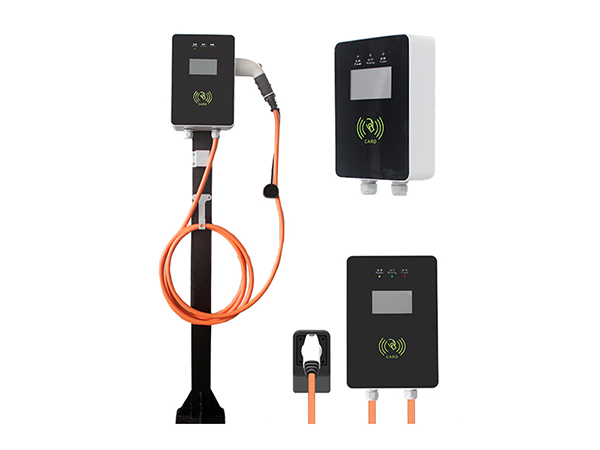
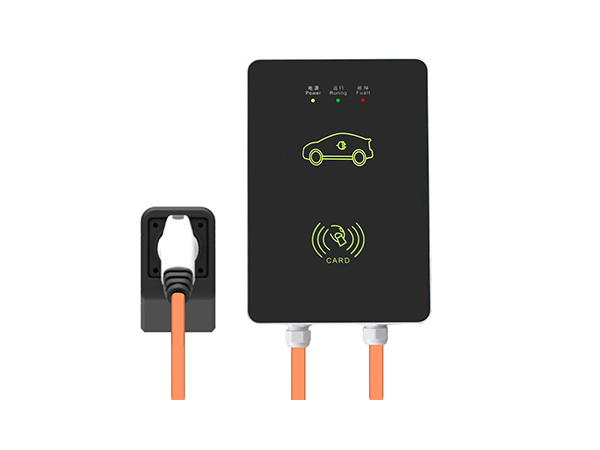
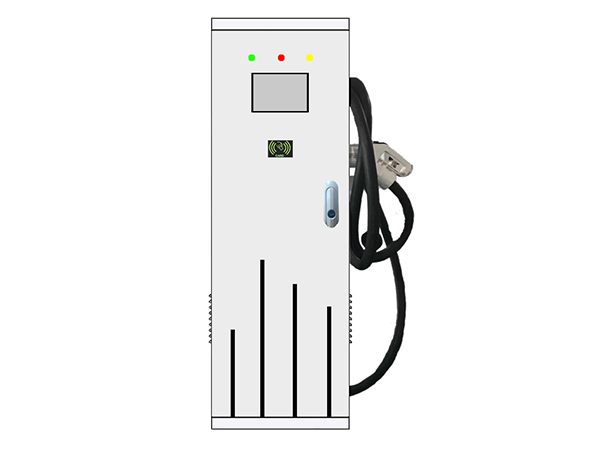
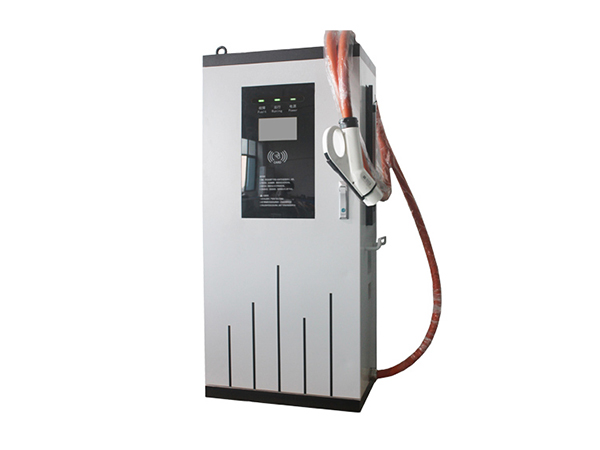

In a significant step towards sustainable transportation, Tripura has inaugurated its very first public electric vehicle (EV) charging station. This initiative marks a pivotal moment for the state, as it not only encourages the adoption of electric vehicles but also enhances the region's infrastructure to support greener mobility solutions. With plans to establish an additional 94 charging stations, Tripura is poised to become a leader in the electric vehicle revolution in Northeast India.
The Importance of EV Infrastructure Development
As the world pivots towards eco-friendly alternatives to fossil fuels, the development of electric vehicle infrastructure is becoming increasingly crucial. States like Tripura are taking proactive measures to facilitate this transition. The introduction of EV charging stations is not merely a convenience; it represents a commitment to reducing carbon emissions and promoting clean energy.
Key Benefits of Electric Vehicle Charging Stations
- Reduced Carbon Footprint: EVs produce zero tailpipe emissions, significantly contributing to cleaner air.
- Energy Efficiency: Electric vehicles are generally more efficient than their gasoline counterparts, which translates to lower energy consumption.
- Economic Growth: The establishment of charging stations can boost local economies by creating jobs and attracting eco-conscious consumers.
- Long-Term Sustainability: Investing in EV infrastructure lays the groundwork for a sustainable future powered by renewable energy sources.
What's Next for Tripura's EV Charging Network?
The state government aims to roll out a total of 95 charging stations across Tripura. This ambitious plan will help eliminate range anxiety among EV users, who often worry about the availability of charging facilities. The first station has already set a benchmark for convenience, and the planned expansion promises to make electric mobility accessible to more residents.
Strategic Locations for Charging Stations
In planning the deployment of these stations, strategic locations were selected to maximize accessibility. Key areas include:
- Major highways and arterial roads to facilitate long-distance travel.
- Urban centers where EV usage is likely to be higher.
- Tourist spots to encourage eco-friendly travel among visitors.
Community Response and Environmental Impact
The response from local communities has been overwhelmingly positive since the announcement of the first EV charging station. Residents are expressing enthusiasm about the potential for cleaner air and reduced traffic pollution. Local environmental groups have also praised the initiative, seeing it as a vital step in combating climate change.
Electric Vehicle Adoption Trends in Tripura
As infrastructure improves, it's expected that more residents will consider purchasing electric vehicles. Recent trends show a growing interest in electric mobility, influenced by both environmental awareness and economic factors such as fuel costs. With the state's commitment to increasing charging facilities, this trend is likely to accelerate.
Conclusion: A Greener Future for Tripura
The launch of Tripura's first public electric vehicle charging station is just the beginning of a larger movement towards sustainable transport solutions in the region. As more charging stations are built, the accessibility and appeal of electric vehicles will undoubtedly rise. This initiative not only reflects the state's commitment to environmental sustainability but also indicates a broader shift towards clean energy across India.
Tripura is setting an example for other states and regions to follow, emphasizing that investing in electric vehicle infrastructure is essential for a sustainable future. As we move forward, the impact of this initiative could very well serve as a model for electric mobility across the country.