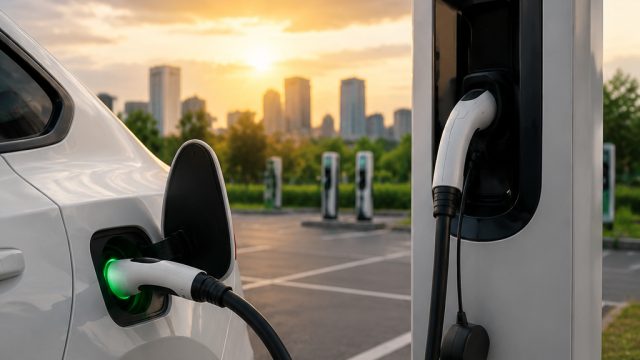
In the ever-evolving landscape of energy solutions, the demand for batteries, particularly in the electric vehicle (EV) market, continues to demonstrate remarkable resilience. As global awareness around sustainability and energy efficiency intensifies, the significance of battery revenues can no longer be overlooked. This article delves into the current state of battery revenues and explores the implications for EV charging solutions.
Current Trends in Battery Revenues
Despite the economic volatility seen in various sectors, the battery market is exhibiting strong revenue performance. According to industry analysts, battery revenues are projected to reach unprecedented heights, driven by the rapid adoption of electric vehicles and advancements in battery technology.
Adoption of Electric Vehicles
- Increased consumer demand for sustainable transport options.
- Government incentives boosting EV purchases.
- Improved infrastructure for EV charging stations.
The surge in electric vehicle sales is one of the primary reasons for the robust battery revenue growth. As more consumers opt for EVs, the demand for high-quality batteries that deliver longer ranges and faster charging times is paramount. This trend highlights a critical intersection where innovation meets consumer expectation, pushing manufacturers to enhance their offerings significantly.
Market Influences on Battery Prices
Battery prices have historically been influenced by various factors, including raw material costs, technological advancements, and market competition. Currently, we are witnessing a fluctuation in these elements, which further impacts the battery revenue landscape.
Key Factors Affecting Battery Prices
- Raw Material Supply Chains: The availability of critical minerals like lithium, cobalt, and nickel has become increasingly uncertain due to geopolitical tensions and trade policies.
- Technological Innovations: Advances in battery chemistry are leading to the development of cheaper and more efficient batteries.
- Market Competition: As more players enter the battery manufacturing space, competitive pricing strategies are influencing overall revenue.
These factors create a complex environment for battery manufacturers. While raw material costs may increase, innovation could lower production costs over time, presenting a paradox that companies must navigate carefully.
The Future of Battery Revenues
The future holds significant promise for battery revenues as a pivotal component of the energy ecosystem. As the world shifts towards renewable energy sources and electric mobility, investments in battery technology are essential.
Emerging Markets and Opportunities
- Energy Storage Solutions: Beyond electric vehicles, batteries are critical for energy storage systems that support renewable energy sources like solar and wind.
- Global Expansion: Developing countries are gradually adopting electric vehicles, creating new markets for battery producers.
- Technological Partnerships: Collaborations between technology firms and traditional manufacturers can lead to groundbreaking advancements in battery development.
With the global push towards decarbonization, the role of batteries will only grow, making it essential for manufacturers to innovate and adapt to changing market dynamics. The upcoming years may witness an unprecedented evolution in battery technology, with potential breakthroughs in energy density and sustainability.
Conclusion
The current state of battery revenues reflects a broader trend within the energy and automotive industries. As electric vehicles become increasingly prevalent, the demand for efficient, reliable, and cost-effective batteries will grow correspondingly. For companies within the EV charging solutions space, understanding these trends is crucial for strategic planning and investment. Keeping abreast of market dynamics not only positions businesses for success but also contributes to the global transition towards sustainable energy solutions.