



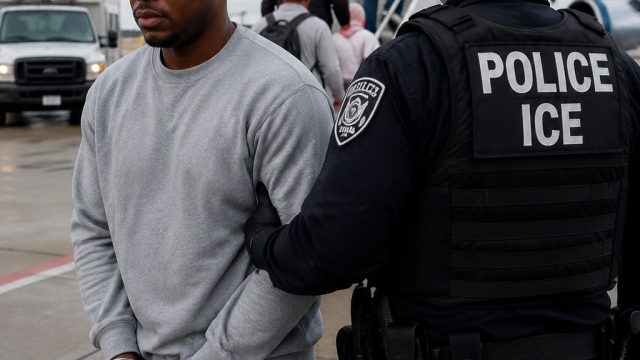
In a marked escalation of its immigration enforcement measures, the United States has deported Ayodeji Ajayi, a Nigerian national with a history of criminal convictions, including domestic violence. This action underscores the government's commitment to a stricter immigration policy, aimed at removing individuals deemed threats to public safety. The announcement was made by the U.S. Immigration and Customs Enforcement (ICE) through a statement on their official X account.
The Context of Deportation
The deportation of Ajayi is part of a broader trend in U.S. immigration policy that has been gaining momentum over the past few years. Under increased scrutiny, authorities are focusing on individuals with criminal records, particularly those who have committed serious offenses. This trend raises significant questions about due process and the treatment of immigrants within the U.S. legal system.
Understanding ICE's Role
ICE plays a crucial role in the enforcement of immigration laws in the U.S. The agency is tasked with identifying and removing individuals who are unlawfully present in the country or who pose a risk to public safety. The recent deportation of Ajayi highlights the complexities involved, particularly regarding balancing public safety and the rights of immigrants.
Legal Implications for Immigrants
For many immigrants, the fear of deportation can be overwhelming. Ajayi's case serves as a stark reminder of the potential consequences of criminal activities, regardless of an individual’s length of residence in the U.S. The legal framework surrounding deportation is often intricate, making it essential for immigrants to understand their rights and options.
The Process of Deportation
- Identification: ICE identifies individuals based on criminal records or ongoing investigations.
- Detention: Once identified, individuals may be detained for further processing.
- Legal Proceedings: Deportation cases typically involve hearings where individuals can contest their removal.
- Deportation Order: If a judge rules in favor of deportation, the individual is removed from the U.S.
The Current Political Climate
The political environment surrounding immigration in the U.S. has become increasingly polarized. Advocates for stricter immigration enforcement argue that measures like the deportation of Ajayi are necessary for public safety, while opponents claim that such actions disproportionately affect vulnerable populations and fail to address the root causes of crime.
The Impact on Communities
The deportation of individuals with criminal records often has ripple effects on their communities. Families may be torn apart, and local economies can suffer as businesses lose employees. Additionally, the fear of deportation can deter immigrants from reporting crimes or seeking assistance, further complicating community dynamics.
What This Means for Future Enforcement
The deportation of Ajayi may signal a continuing trend in U.S. immigration enforcement. As authorities ramp up their efforts, it is likely that similar cases will emerge. This development demands attention from policymakers, legal advocates, and community leaders to ensure that the rights of immigrants are upheld while addressing public safety concerns.
Recommendations for Immigrants
Given the potential for changes in immigration policies, it is crucial for immigrants, especially those with criminal records, to seek legal advice. Here are some recommended steps:
- Consult an Immigration Attorney: Legal guidance can provide clarity on rights and options.
- Stay Informed: Keeping abreast of changes in immigration law can help individuals anticipate potential issues.
- Engage with Community Resources: Many organizations offer support and resources for immigrants facing deportation.
Conclusion
The recent deportation of Ayodeji Ajayi is more than an isolated incident; it reflects ongoing shifts in U.S. immigration policies and enforcement practices. As authorities intensify their focus on individuals with criminal histories, it becomes increasingly essential for immigrants to understand the implications of these changes. Open dialogue, legal preparedness, and community support will be critical in navigating the challenges ahead.