


As the automotive landscape evolves, Labour's recent re-evaluation of its stance on the 2030 ban on petrol and diesel vehicles has sparked significant debate. This shift holds potential ramifications not only for environmental policies but also for the future of numerous jobs within the auto sector.
The Current Climate in the Auto Industry
The auto industry is at a crossroads. With increasing global emphasis on sustainability and green technologies, manufacturers have begun pivoting towards electric vehicles (EVs). However, Labour's proposed amendments to existing regulations could complicate this progression.
Understanding the Proposed Changes
Labour's approach appears to be less stringent than previously outlined, potentially allowing for a slower transition away from fossil fuel-powered vehicles. Industry analysts are expressing concerns that this could lead to:
- Delayed investment in EV infrastructure.
- Increased uncertainty for auto manufacturers.
- Job losses in sectors focused on electric vehicle production.
The Potential Job Impact
Experts estimate that thousands of jobs could be at stake if Labour’s policy shifts lead to a slowdown in the automotive shift towards electric vehicles. The implications of this are vast, affecting not just workers, but the broader economy.
Why This Matters Now
The importance of these discussions cannot be overstated. As countries worldwide push for net-zero emissions, every delay in the transition from petrol and diesel vehicles has a cascading effect on:
- Job security for manufacturing employees.
- Investment in green technology.
- The overall health of the economy.
Electric Vehicles as a Solution
Transitioning to electric vehicles presents a solution that aligns with global sustainability goals. The auto industry has already made significant strides in this direction, and maintaining momentum is crucial. Despite Labour's proposed changes, many companies continue to invest in:
- New battery technologies.
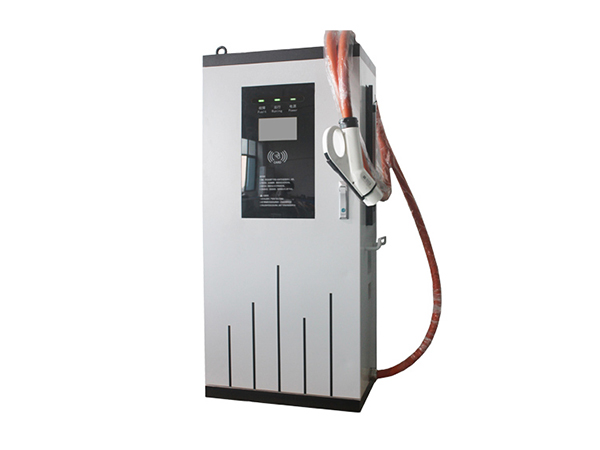
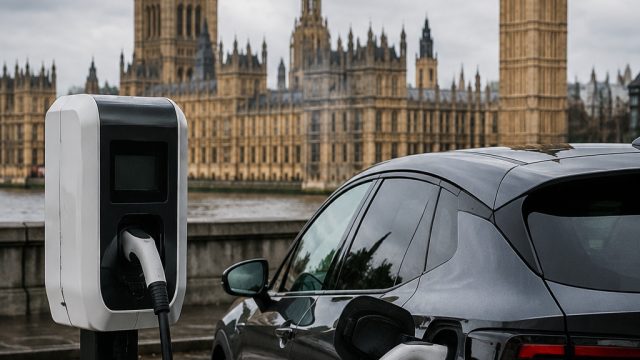
- Charging infrastructure development.
- Innovative designs for electric vehicles.
Consumer Interest in EVs
Consumer demand for electric vehicles is on the rise, driven by environmental awareness and the growing cost-effectiveness of EV technology. With appropriate government backing, this sector could flourish, benefiting both consumers and manufacturers.
Conclusion: A Call to Action
The decision by Labour to reassess the 2030 ban on petrol and diesel vehicles warrants immediate attention from all stakeholders in the auto industry. It is essential to advocate for policies that truly support a robust transition to electric vehicles, ensuring job security and promoting sustainable economic growth. As discussions continue, it is crucial for industry leaders, policymakers, and consumers to engage actively in shaping a future that prioritizes both environmental responsibility and economic stability.