Key Takeaways
- Singapore plans to retrofit older estates with EV charging stations.
- The initiative aims to boost EV adoption in residential areas.
- Accessibility to charging is crucial for sustainability.
- Southeast Asia is seeing a rise in EV infrastructure development.
- Residents in older estates can expect a greener future.
Revolutionizing Energy Access in Singapore
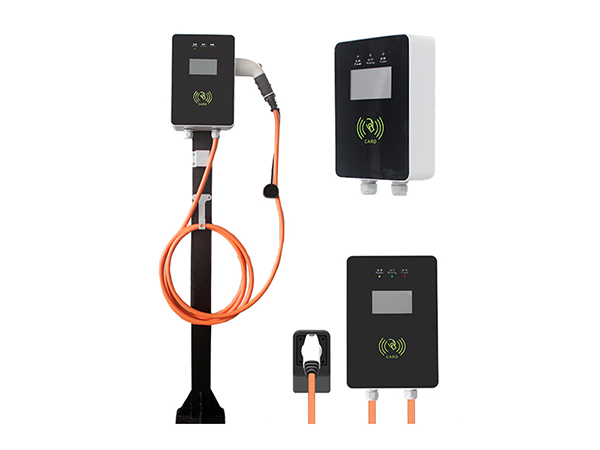
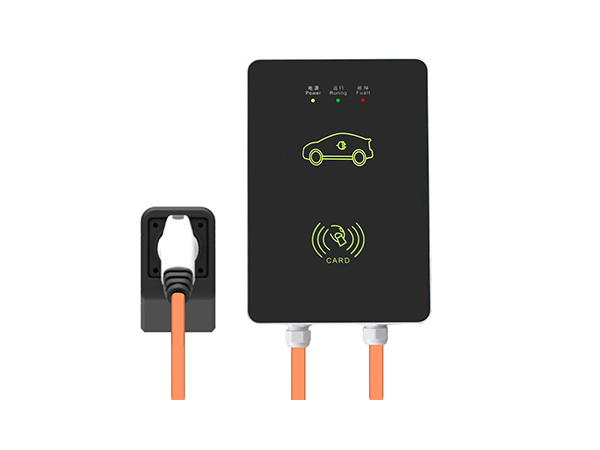
In a significant move towards sustainable urban living, Singapore is focusing on retrofitting its older residential estates to support electric vehicles (EVs). This initiative is crucial as it not only addresses the growing need for EV charging infrastructure but also encourages the adoption of cleaner energy alternatives across the city. With the electric vehicle market expanding rapidly, ensuring that all neighborhoods, including older ones, are equipped with accessible charging options is a priority.
Why This Matters Now
The urgency of this initiative is underscored by the increasing number of electric vehicles on Singapore’s roads. According to recent statistics, the number of EVs in Singapore surged by nearly 60% in the past year alone. This boom highlights the necessity for an expanded EV charging network, particularly in older estates where infrastructure has not kept pace with technological advancements. By integrating charging stations into these areas, the government aims to facilitate smooth transitions for residents considering electric vehicles.
Market Trends in Southeast Asia
The focus on EV infrastructure is not limited to Singapore; it is a trend observed across Southeast Asia. Countries within the ASEAN region, such as Indonesia, are rapidly developing their own EV markets. Specifically, cities like Jakarta, Surabaya, and Bali are exploring various incentives and infrastructure projects to bolster EV usage. As more nations prioritize sustainability, the demand for comprehensive charging solutions increases.
Enhancing Resident Experience
The retrofitting project in Singapore's older estates is set to enhance the resident experience significantly. Not only will it provide convenience for EV owners, but it also aligns with the country’s broader sustainability goals. This transition reflects a commitment to reducing carbon emissions and promoting green energy solutions, thus providing a model for other nations grappling with similar challenges.
The Role of Government in EV Adoption
Government support is pivotal in this movement. Initiatives such as financial incentives for EV purchases and investments in charging infrastructure demonstrate Singapore’s proactive approach. The government’s partnership with private sectors further accelerates the deployment of charging stations, ensuring that residents are equipped to transition to electric mobility seamlessly. Furthermore, these policies not only benefit individuals but also contribute to national goals for reduced greenhouse gas emissions.
Future Outlook for EV Charging in Singapore
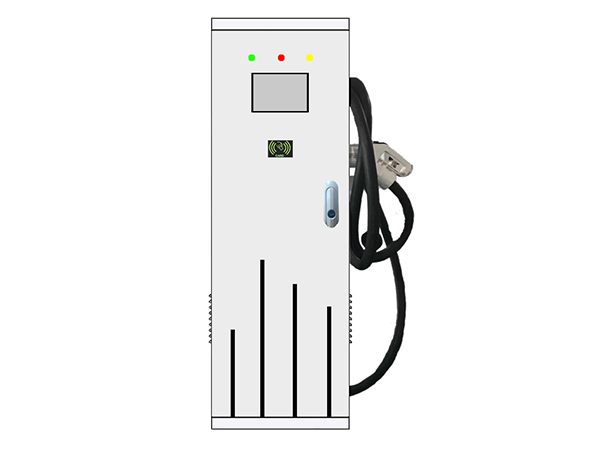
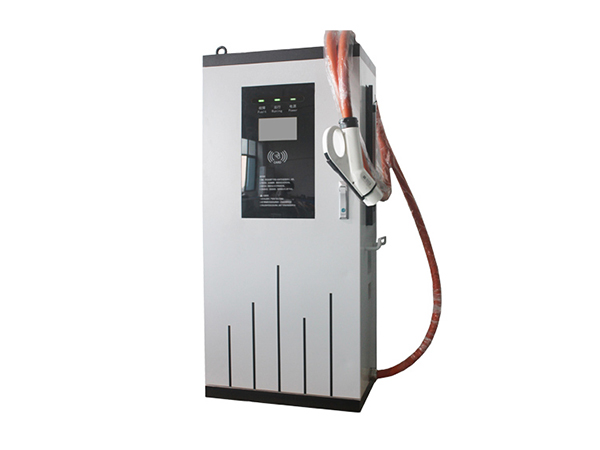
Looking ahead, the future of EV charging in Singapore appears bright. The retrofitting of older estates is just the beginning. As Singapore continues to innovate and adapt, there are plans for integrating more advanced charging technologies, including fast-charging solutions and smart grids that effectively manage energy distribution. This not only enhances charging speeds but also optimizes energy use, which is crucial as the demand for electricity grows.
Community Engagement and Awareness
Public awareness plays a significant role in this transformation. Community engagement programs are essential to educate residents about the benefits of switching to electric vehicles. By involving locals in discussions about sustainability and the environment, governments can foster a culture of responsibility and innovation, driving forward the agenda for clean energy.
Conclusion: A Greener Future is Possible
In summary, Singapore’s initiative to retrofit older estates with EV charging stations signifies a pivotal shift toward sustainable urban living. This move not only meets the immediate needs of the residents but also positions Singapore as a leader in the ASEAN region's transition to electric mobility. As EV adoption continues to rise, so too will the infrastructure that supports it, creating a cleaner and more sustainable future for all.