



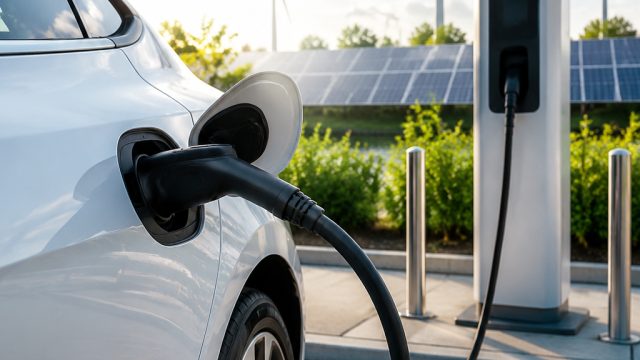
As the world shifts toward cleaner energy solutions, the necessity for robust alternative fuel infrastructure becomes increasingly apparent. With the rise in electric vehicles (EVs) and other alternative fuel technologies, stakeholders in transport, government, and industry are realizing that investing in infrastructure is not just beneficial but essential for a sustainable future.
Understanding the Shift Towards Alternative Fuels
The global transportation landscape is undergoing a transformative change. Traditional fuel sources are being challenged by innovative alternatives that promise significant reductions in greenhouse gas emissions. This shift is not only about electric vehicles; biofuels, hydrogen fuel cells, and other renewable energy sources are gaining traction.
In 2022, predictions about the market for alternative fuels indicated a rapid escalation in adoption rates. Cities and countries worldwide are establishing policies to promote the use of these cleaner options. Investments in EV charging stations, hydrogen fueling stations, and biofuel production facilities are becoming more prevalent.
The Importance of Infrastructure
For these alternative fuel options to thrive, a comprehensive infrastructure must be in place. This involves creating networks of charging stations for electric vehicles and refueling stations for hydrogen and biofuels, ensuring that consumers can access these resources conveniently. The lack of such infrastructure can deter potential users from adopting these cleaner options.
- Accessibility: A well-developed network of charging and refueling stations makes it convenient for users.
- Consumer Confidence: Reliable access to alternative fuels increases consumer trust in adopting sustainable transportation.
- Market Growth: Enhanced infrastructure drives demand, leading to further innovations and investments in clean technology.
- Environmental Impact: A transition to alternative fuels can significantly reduce the carbon footprint associated with traditional transportation methods.
Government Initiatives Driving Change
Governments around the globe are recognizing the potential economic and environmental benefits of investing in alternative fuel infrastructure. Many countries have initiated programs that provide financial support for the development of these facilities. For instance, grants and subsidies are often available to businesses looking to install EV charging stations and other alternative fuel infrastructure.
Additionally, strategic partnerships between public and private sectors are essential for the successful rollout of these initiatives. Collaborative efforts can streamline processes and foster innovation, making the transition smoother and more efficient.
Examples of Successful Infrastructure Projects
Several countries have made significant strides in developing alternative fuel infrastructure, setting benchmarks for others to follow:
- Norway: With one of the highest per capita rates of EV ownership in the world, Norway boasts a comprehensive network of charging stations, making it a leader in electric vehicle adoption.
- Germany: The country has made substantial investments in hydrogen fueling stations, promoting the use of hydrogen as a viable alternative fuel source.
- California, USA: Home to numerous EV charging stations, California is actively involved in expanding its alternative fuel infrastructure to meet growing demand.
Challenges Ahead
Despite the positive momentum, challenges remain in the journey toward sustainable transport. The initial costs associated with establishing alternative fuel infrastructure can be high, and there may be resistance from traditional fossil fuel stakeholders. Additionally, the technology and logistics involved in these infrastructures must be carefully managed to ensure reliability and efficiency.
The Path Forward
To overcome these challenges, increased collaboration and innovation are necessary. As stakeholders, including government entities, private companies, and consumers, we must work together to create a seamless transition to alternative fuels. Education and awareness campaigns can also play a vital role in informing the public about the benefits of sustainable transport solutions.
Conclusion: The Future of Sustainable Transport
As we look towards the future, the importance of alternative fuel infrastructure cannot be overstated. The transition to sustainable transport is not merely an option; it is a necessity for combating climate change and promoting a healthier planet. By investing in comprehensive infrastructure today, we pave the way for a greener tomorrow, ensuring that all can enjoy the benefits of cleaner, more efficient transportation solutions.