Key Takeaways
- Used car dealers can amplify EV adoption rates.
- Collaborations may improve charging station distribution.
- Southeast Asia is ripe for EV infrastructure investment.
- Public-private partnerships can accelerate transition.
- Indonesia's market shows significant potential for growth.
The Current EV Landscape in Southeast Asia
As electric vehicles (EVs) continue to gain traction globally, Southeast Asia is emerging as a pivotal region for EV development. Countries like Indonesia, home to over 270 million people, present a substantial opportunity for enhancing EV infrastructure. However, as the region grapples with various challenges—including limited charging networks and consumer hesitance—new strategies are needed to spur growth.
Why Involving Used Car Dealers Matters Now
In a recent call to action, industry experts emphasized the need to engage used car dealers in the EV sector. These dealers possess established relationships with consumers and are well-positioned to facilitate the transition to electric mobility. By leveraging their networks, stakeholders can disseminate information about EV benefits and charging capabilities more effectively.
Furthermore, used car dealers can play a crucial role in offering affordable EV options, thus appealing to a broader audience. With the Indonesian market increasingly leaning towards sustainable transport, this partnership could lead to higher adoption rates.
Enhancing Accessibility to EVs
Engaging used car dealerships can significantly enhance the accessibility of EVs. By introducing EV models into their existing inventories, these dealers can make electric cars a viable option for everyday consumers. This strategy not only broadens the market but also demystifies the concept of electric vehicles for potential buyers.
Boosting Charging Station Distribution
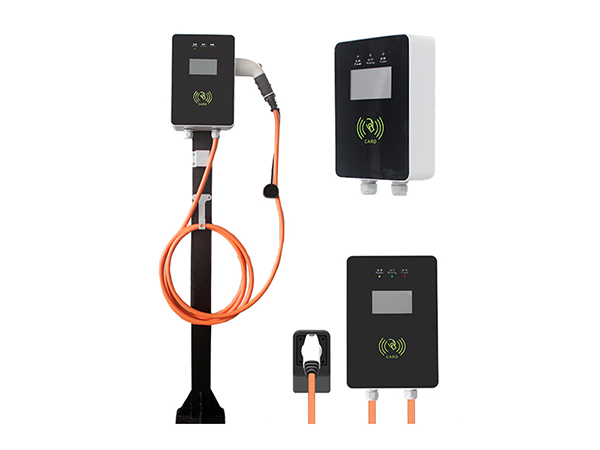
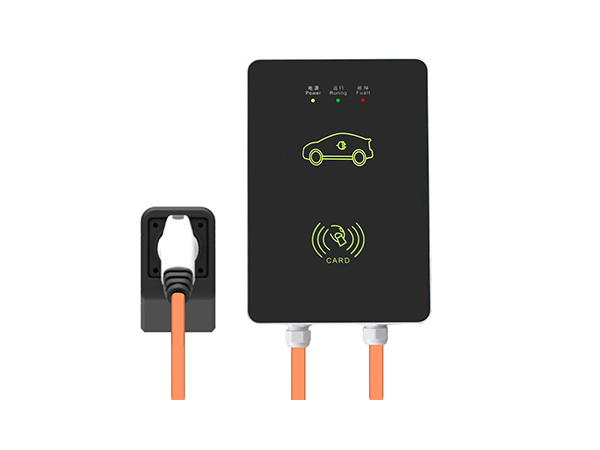
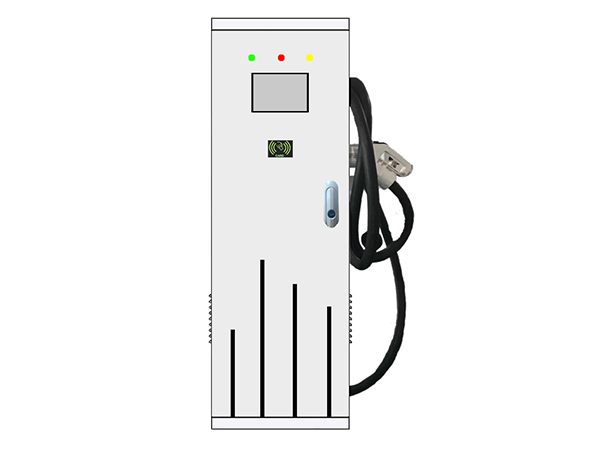
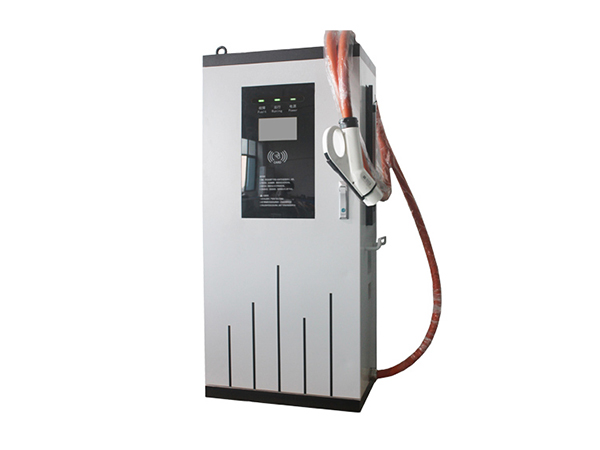
Another critical advantage of involving used car dealers lies in the potential to improve the distribution of charging stations. As dealerships expand their offerings to include EVs, they can simultaneously advocate for the installation of more charging infrastructure, making it easier for consumers to transition without facing range anxiety.
Public-Private Partnerships: A Key to Success
To catalyze the development of EV infrastructure, public-private partnerships are essential. Collaboration between government bodies and private enterprises, including used car dealerships, can accelerate the rollout of charging stations and incentivize investments in this burgeoning sector.
Such initiatives could include subsidies for dealerships that invest in EV infrastructure or grants for building charging stations. This collaborative approach not only fosters a supportive environment but also aligns with the ASEAN vision for sustainable transport systems.
Case Studies from the Indonesian Market
Several Indonesian cities, including Jakarta, Surabaya, and Bali, are investing in EV infrastructure as part of their urban development plans. By involving used car dealers in these initiatives, local governments can enhance outreach and education regarding EV usage while simultaneously boosting dealer revenues through increased traffic.
Future Outlook
As the demand for electric vehicles continues to rise, Southeast Asia is positioned for significant growth in this sector. The involvement of used car dealers in promoting EV infrastructure not only addresses immediate challenges but also prepares the ground for a more sustainable future. Stakeholders are encouraged to seize this opportunity to create a robust ecosystem that supports the electric vehicle market.
Conclusion
In summary, integrating used car dealers into the EV infrastructure strategy is not just a suggestion—it's a necessity. This approach promises to enhance EV accessibility, boost charging station availability, and stimulate demand within the Indonesian market and beyond. As we look ahead, the collaboration between public and private sectors will be instrumental in paving the way for a greener, more sustainable transportation landscape across Southeast Asia.