Key Takeaways
- Grab is enhancing its EV charging network across Southeast Asia.
- This initiative is vital for Indonesian drivers seeking sustainable options.
- Access to charging stations is expected to increase in urban areas.
- Partnerships with local businesses will boost infrastructure development.
- Grab aims to contribute to Indonesia's climate goals effectively.
Rising Demand for EV Infrastructure
As Southeast Asia increasingly embraces electric vehicles, the need for robust EV charging infrastructure has never been more pressing. Grab, a leading ride-hailing service, is at the forefront of this change, particularly in Indonesia, where the EV market is projected to expand significantly in the next few years. The company's proactive approach to enhancing EV charging accessibility is a response to both consumer demand and regional climate commitments.
Market Trends in Indonesia
Indonesia is seeing a surge in EV adoption, driven by government incentives and a growing awareness of environmental issues. The Indonesian government aims for 2.1 million electric vehicles on the road by 2030, representing a significant shift in transportation paradigms. To support this ambitious goal, Grab's expansion of its charging infrastructure is crucial.
Grab's Strategic Expansion Plan
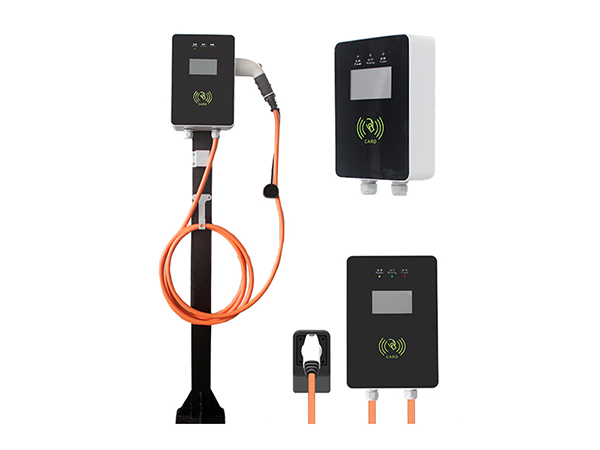
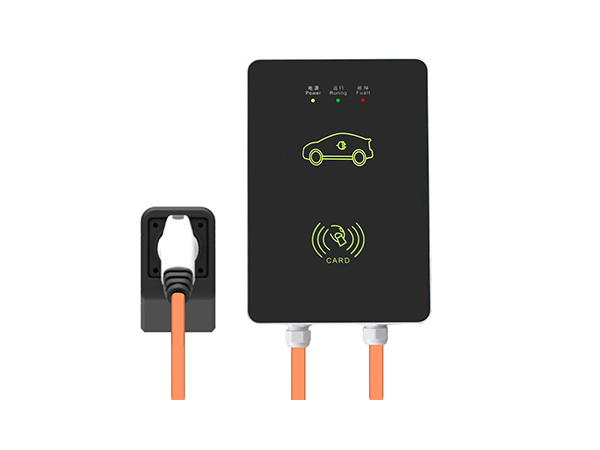
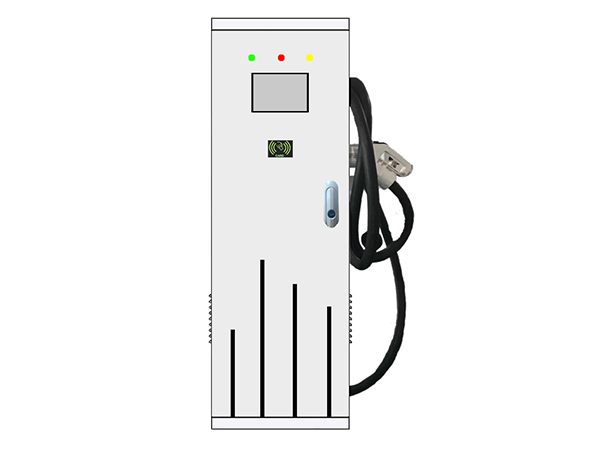
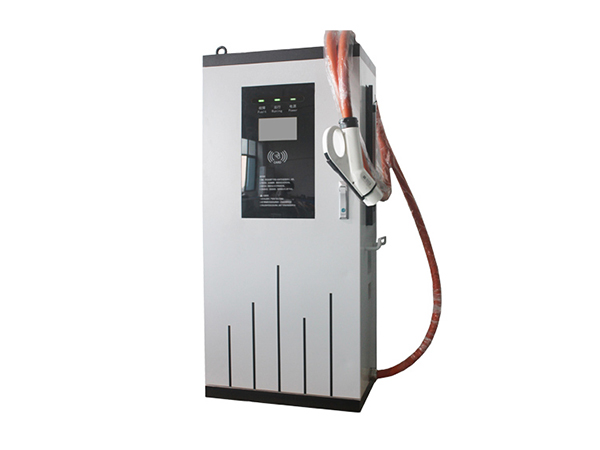
Grab's expansion strategy involves establishing more charging stations in metropolitan areas like Jakarta, Surabaya, and Bali. This not only caters to personal EV owners but also supports Grab's ride-hailing drivers who are switching to electric vehicles. By ensuring that charging stations are accessible in high-demand areas, Grab aims to alleviate range anxiety among potential EV users.
Partnerships and Collaborations
To successfully implement this strategy, Grab is collaborating with local businesses and energy providers. These partnerships are designed to facilitate the development of a comprehensive charging network that meets the needs of both individual drivers and commercial fleets. The synergy between these entities will likely enhance user experience and drive more drivers to consider switching to electric vehicles.
Benefits of Enhanced Charging Access
With an increased number of charging stations, Grab aims to create a more sustainable transportation ecosystem. The benefits extend beyond convenience; they include:
- Reduced carbon emissions as more drivers opt for electric vehicles.
- Support for local economies through job creation in infrastructure development.
- Promotion of energy independence as reliance on fossil fuels decreases.
- Increased awareness and consumer confidence in electric vehicles.
Conclusion: Why This Matters Now
The expansion of Grab's EV charging network aligns perfectly with Indonesia's broader sustainability goals. As urban areas grow and more consumers are drawn to electric vehicles, access to reliable charging stations is essential. Grab's initiative not only supports the current market demands but also positions the company as a leader in promoting green transportation in Southeast Asia. This timely move reflects the urgency in addressing climate change while meeting the needs of a modern, eco-conscious society.