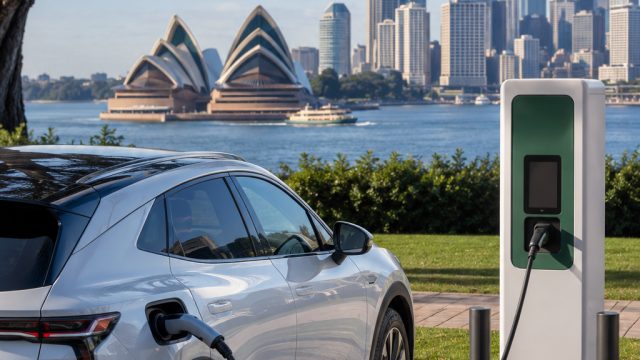
As electric vehicles (EVs) continue to gain traction in Australia, the state of the country's EV charging infrastructure is more critical than ever. Whether for commuters, tourists, or those transitioning to electric mobility, understanding the current landscape can help individuals make informed decisions about their transportation options. In 2023, Australia's EV charging network demonstrates both strengths and areas needing improvement, making it a hot topic for environmental policymakers, businesses, and everyday drivers.
The Current Strengths of Australia’s EV Charging Network
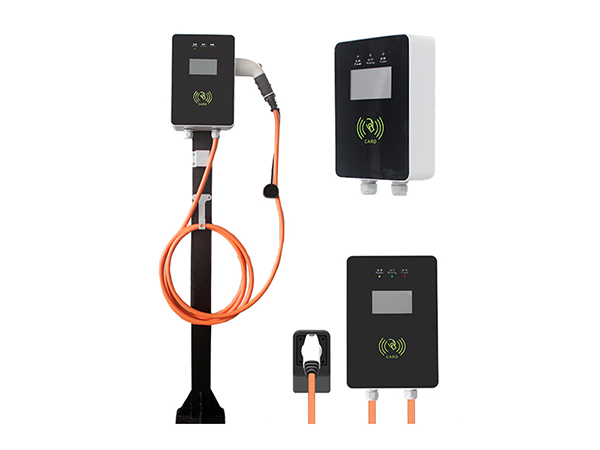
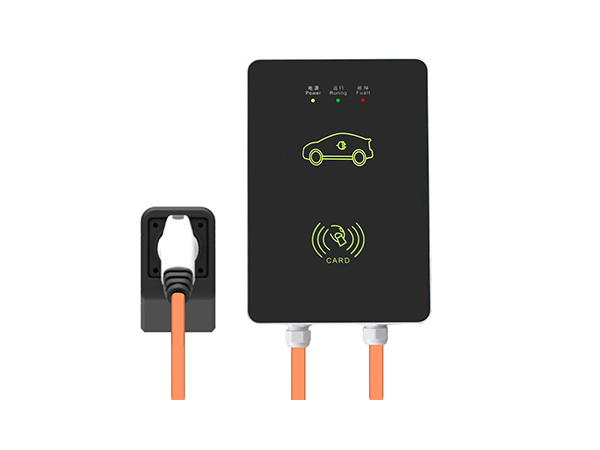
Australia's EV charging network has made significant strides recently, particularly in urban areas. Major cities such as Sydney, Melbourne, and Brisbane have seen an increase in the number of charging stations, facilitating easier access for EV owners. The following points highlight the current strengths of the EV charging infrastructure:
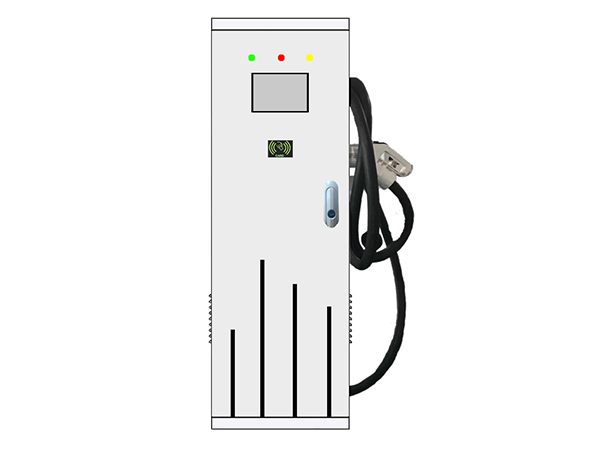
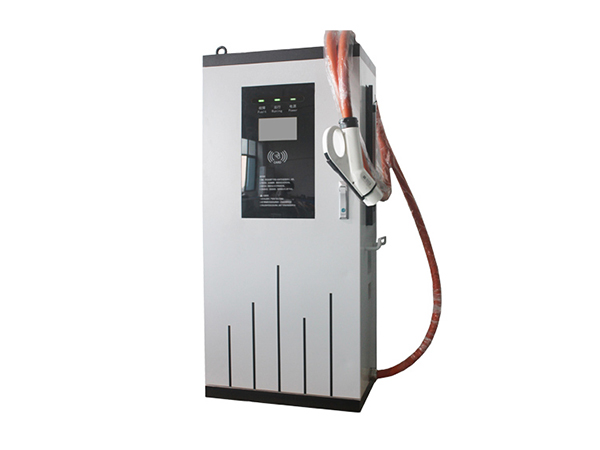
- Increased Availability: Urban centers now offer a variety of fast-charging options, significantly reducing charging time and enhancing convenience.
- Government Incentives: Federal and state programs, including rebates and tax credits, encourage businesses and homeowners to install EV chargers.
- Community Engagement: Local governments and organizations are actively promoting electric vehicle use through educational campaigns and public charging initiatives.
Urban Charging Stations: A Case Study
Cities have responded remarkably to the growing demand for EV charging solutions. For instance, Melbourne’s commitment to expanding its network has resulted in a noticeable uptick in public charging points. Not only does this facilitate sustainable transport, but it also encourages EV adoption among residents who previously relied on conventional fuel sources.
Challenges and Gaps in Accessibility
Despite the progress, vast regions of Australia still face challenges regarding EV charging accessibility. Rural areas and remote communities often lack adequate charging infrastructure, making it difficult for residents to consider switching from traditional vehicles to electric alternatives.
- Limited Charging Infrastructure: Many rural areas remain underserved, with few charging stations available, which can deter potential EV buyers.
- Long-Distance Travel Concerns: For those considering road trips, the lack of fast chargers along major routes can be a significant deterrent.
- Public Awareness: Some regions require more education on the benefits of EVs and available charging solutions to stimulate demand.
Addressing the Gaps
To bridge these gaps, several strategies can be implemented:
- Investing in public charging stations in underserved areas by collaborating with private companies.
- Launching initiatives to raise awareness about the long-term savings and environmental benefits of electric vehicles.
- Exploring partnerships with renewable energy providers to ensure sustainable charging sources.
The Future of EV Charging in Australia
Looking ahead, several trends are set to shape the future of Australia's EV charging network:
- Innovation in Technology: The development of ultra-fast charging technology will reduce charging times significantly, making EVs more convenient for users.
- Integration with Smart Grids: Future charging stations may utilize smart grid technology to optimize electricity distribution and pricing.
- Expanding Renewable Energy Use: As Australia continues to invest in renewable energy, the integration of solar and wind power into charging stations could enhance sustainability.
Government Commitment and Future Investments
Government initiatives will play a crucial role in shaping the future of the EV charging landscape. Continued financial support and strategic planning are essential for creating a robust infrastructure that can support the anticipated growth in electric vehicle adoption. Projects that focus on enhancing charging access in rural areas will be particularly important in achieving national emissions reduction targets.
Conclusion: The Road Ahead
As we move further into 2023, the state of Australia's EV charging network presents a mixed picture of progress and challenges. While urban areas experience a surge in charging facilities, rural regions still lag behind, highlighting the need for targeted infrastructure investments and community education. Addressing these issues now is crucial for fostering a sustainable transport future and ensuring that all Australians can embrace electric mobility. For those considering the switch to an electric vehicle, staying informed about these developments becomes essential for making the best decision for both finances and the environment.