Key Takeaways
- Government initiatives aim to expand EV charging networks across Southeast Asia.
- Indonesia is at the forefront, with plans to increase charging stations significantly.
- Boosting EV infrastructure is vital for meeting regional sustainability goals.
- Increased accessibility to charging will promote higher EV adoption among consumers.
- Strategic partnerships with private sectors are essential for infrastructure development.
Introduction
As electric vehicles (EVs) gain traction globally, Southeast Asia, particularly Indonesia, is poised for a significant transformation in its transportation landscape. Recent government initiatives are focused on revitalizing EV charging infrastructure, a critical step to accommodate the increasing demand for sustainable energy solutions. The need for a robust EV network is urgent, as consumers and businesses alike recognize the environmental and economic benefits of transitioning to electric mobility.
Current State of EV Infrastructure in Southeast Asia
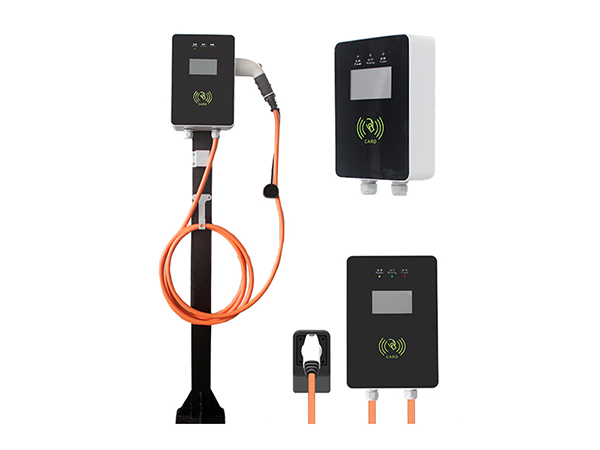
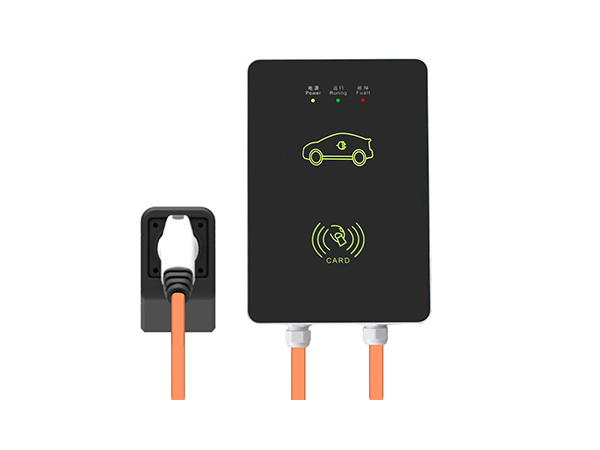
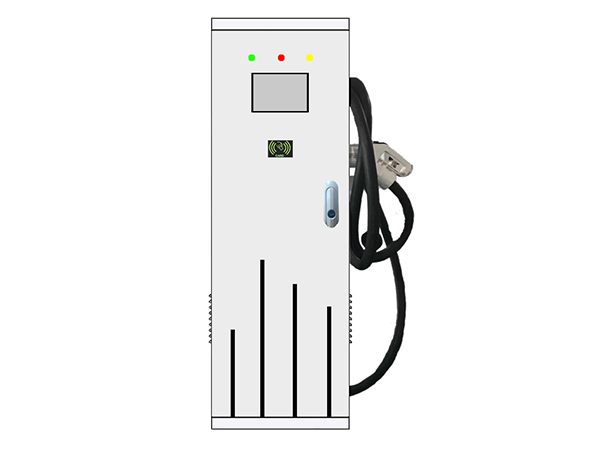
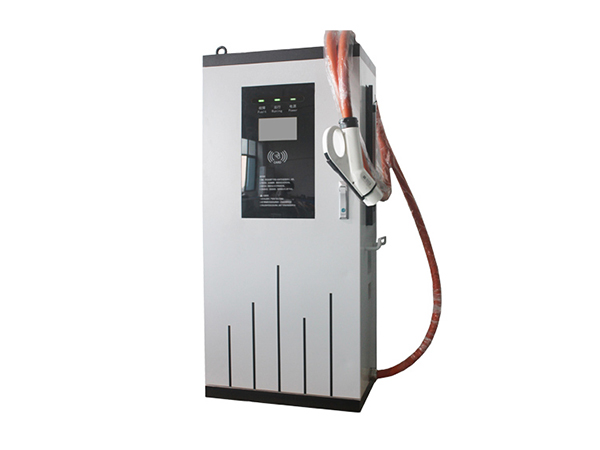
Indonesia, the largest nation in Southeast Asia, has set ambitious targets to expand its EV market. The government has announced plans to increase the number of charging stations across major cities, including Jakarta, Surabaya, and Bali. This expansion is not merely a response to consumer demand but also a proactive measure to support the country’s commitment to renewable energy and reduce greenhouse gas emissions.
The Role of Government Policy
Government policy plays a crucial role in shaping the future of EV infrastructure. Recent regulatory updates include:
- Incentives for private companies to invest in charging stations.
- Collaboration with local governments to streamline permitting processes.
- Financial support for renewable energy projects linked to EV charging.
These policies are designed to facilitate rapid growth in EV adoption, ensuring that the necessary infrastructure keeps pace with technological advances.
The Impact of EV Charging on Consumer Behavior
Accessibility to EV charging stations directly influences consumer decisions regarding electric vehicle ownership. Studies indicate that increased charging infrastructure can lead to higher rates of EV adoption, as consumers feel more confident in their ability to recharge conveniently. With the government’s commitment to expanding charging networks, the expectation is that more individuals will consider switching from traditional fossil-fuel vehicles to electric options.
Building Public Awareness
Public awareness campaigns are essential to inform citizens about the benefits of electric vehicles. By highlighting savings on fuel costs, reduced maintenance expenses, and environmental advantages, the government and private sectors can work together to change perceptions about electric mobility. Educational initiatives, workshops, and promotional events can help demystify the technology and promote the long-term advantages of EVs.
Strategic Partnerships for Growth
To successfully expand EV charging infrastructure, strategic partnerships between government entities and private companies are critical. Collaborative projects can leverage technological expertise and financial resources to create a comprehensive network of charging stations. Key players in the energy and automotive sectors are being encouraged to participate in this initiative, aligning their goals with national sustainability objectives.
Examples of Successful Collaborations
Several successful partnerships have already begun to emerge. For example, local governments in Bali are collaborating with energy firms to set up solar-powered charging stations. This innovative approach not only meets charging needs but also promotes the use of renewable energy sources, further enhancing the sustainability of EVs.
Conclusion
The push for improved EV charging infrastructure in Southeast Asia, particularly in Indonesia, reflects a significant shift towards sustainable energy solutions. Government policies aimed at expanding this essential network are crucial for fostering a favorable environment for electric vehicles. By enhancing accessibility and promoting awareness, the region has the potential to become a leader in electric mobility, paving the way for a greener future.