
As the world pivots towards sustainable energy solutions, New South Wales (NSW) has taken a significant step by announcing a remarkable AU$6.5 billion investment over the next decade to bolster its electric bus program. This ambitious initiative is not merely a response to the growing climate crisis but also an important evolution in public transport that affects millions of residents, commuters, and environmental advocates.
Driving Change: The Need for Electric Buses
Australia, like many countries, is grappling with the dual challenges of urban congestion and climate change. Traditional diesel buses are major contributors to greenhouse gas emissions, air pollution, and noise, which hinder urban livability and public health. By transitioning to electric buses, NSW aims to reduce its carbon footprint significantly while promoting cleaner, quieter urban environments.
A Green Revolution in Public Transport
The allocation of AU$6.5 billion represents a transformational investment in the state's public transport infrastructure. Key components of the plan include:
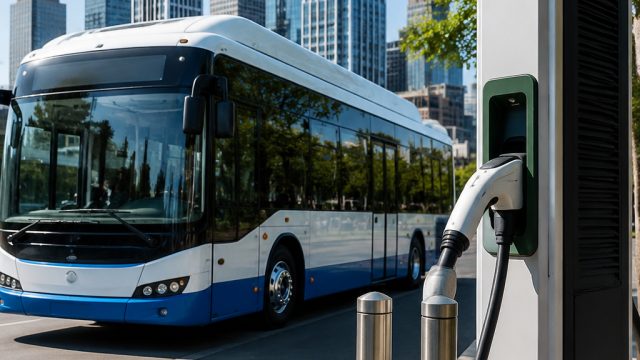
- Acquisition of Electric Buses: The funding will support the purchase of thousands of electric buses over the next ten years, replacing older, polluting vehicles.
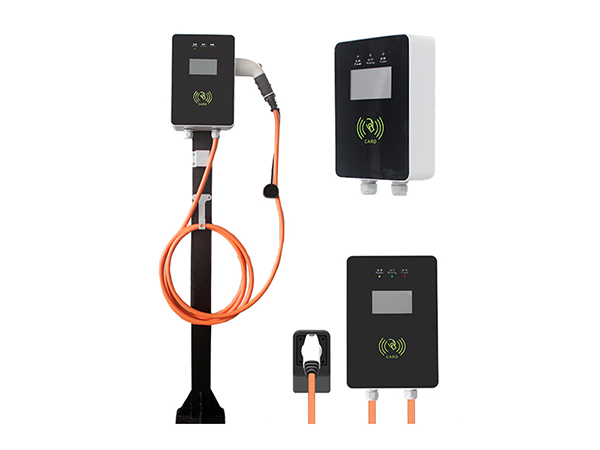
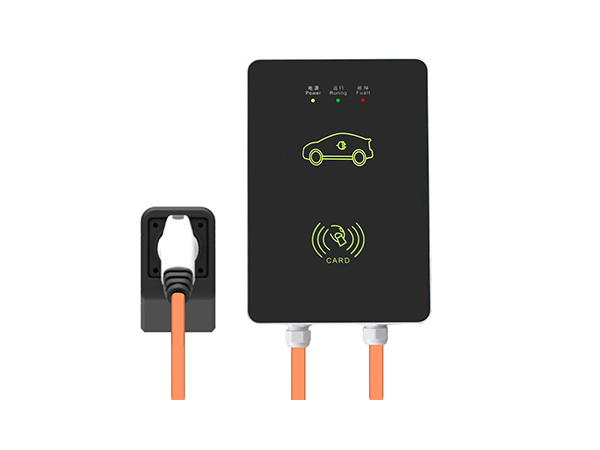
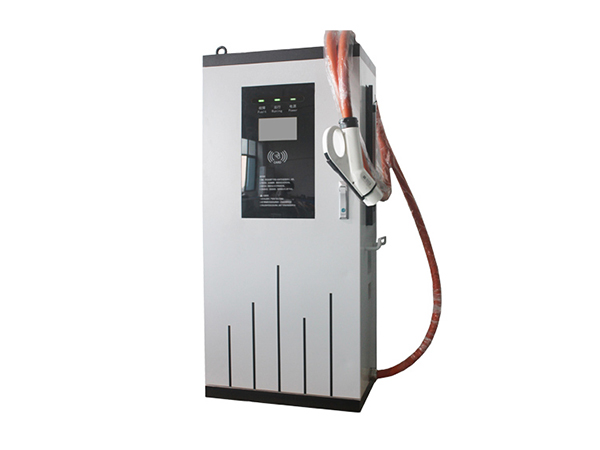
- Charging Infrastructure Development: A robust charging network will be established, ensuring that electric buses can operate efficiently across the state.
- Job Creation: This initiative is projected to create thousands of jobs in manufacturing, maintenance, and operation, contributing to local economies.
- Community Engagement: The initiative will involve discussions with local communities to ensure the transition fits their needs and enhances their public transport experience.
Immediate Benefits to Urban Areas
The advantages of shifting to electric buses extend beyond environmental benefits. Urban residents can expect:
Healthier Living Conditions
With electric buses producing zero tailpipe emissions, air quality in urban areas is bound to improve. Reduced air pollution leads to lower respiratory issues among residents, making cities healthier places to live.
Noise Reduction
Electric buses operate more quietly than their diesel counterparts, resulting in reduced noise pollution in neighborhoods, which is particularly beneficial for areas close to bus routes.
Long-Term Sustainability and Economic Growth
This initiative reflects a broader commitment to achieving net-zero emissions by 2050, aligning with global climate agreements and the aspirations of modern cities. The economic implications of this transition are profound:
Investment in Local Economies
The funds allocated for electric buses will stimulate local economies, leading to innovation in green technology and infrastructure. This encompasses:
- Manufacturing Opportunities: Local companies may receive contracts for the manufacturing and servicing of electric buses, boosting the economy.
- Technology Advancement: Partnerships with tech firms can lead to advancements in battery efficiency and charging technologies, positioning Australia as a leader in electric vehicle innovation.
Incentives for Other Sustainable Projects
As NSW sets a precedent for sustainable transport, there's potential for additional investments in related sectors, such as renewable energy and smart grid technologies. These complementary investments could further enhance the state's sustainability goals.
Why This Matters Now
The announcement comes at a critical time when cities worldwide are looking for sustainable solutions to address climate change and urbanization challenges. The push for electric buses in NSW is not just an investment in transport; it’s a commitment to a sustainable future that will yield long-lasting benefits. As urban populations grow, the demand for efficient, clean public transport systems will only increase.
Furthermore, with rising fuel prices and the environmental impact of fossil fuels, the shift to electric buses represents both an economic and ecological imperative. NSW is setting an example for other regions to follow, showcasing how bold investments in electric vehicle infrastructure can redefine public transport.
Conclusion: A Vision for a Sustainable Future
New South Wales’ investment in electric buses marks a pivotal moment in the evolution of public transport and environmental responsibility. As the state embraces this transformative approach, it not only enhances the quality of life for its residents but also contributes to global efforts in addressing climate change. The success of this program may well set the tone for how cities around the world approach their public transport systems in the coming years.