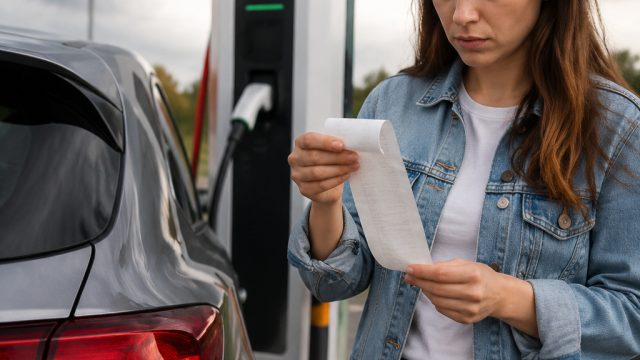
The landscape of electric vehicle (EV) charging is evolving rapidly, but recent discussions have brought to light a heated debate regarding potential price gouging by charging companies. As the demand for EVs surges alongside the push for sustainable energy solutions, consumers and policymakers are increasingly concerned about the fairness of pricing in this burgeoning market. This article explores these issues and provides insights into how they impact consumers today.
Understanding the Current Market Dynamics
The rapid adoption of electric vehicles has led to an expansion of charging infrastructure, but this growth is accompanied by complexities that can lead to inflated prices. As the competition increases, some charging networks may implement pricing strategies that do not align with the broader market trends.
The Role of Supply and Demand
- Increased Demand: With more consumers opting for electric vehicles, the demand for charging stations has skyrocketed, leading to higher prices in some regions.
- Limited Supply: In areas where charging stations are scarce, providers may raise prices, capitalizing on the urgent need for charging options.
- Market Regulation: The lack of strict regulations means that some companies can set prices without being held accountable for fairness.
Public Concerns and Legislative Responses
Recent discussions among lawmakers have highlighted concerns over the fairness of pricing practices among EV charging providers. As some consumers feel they are being "fleeced," people are calling for increased oversight and regulation to protect their interests and ensure fair access to charging.
Consumer Advocacy Efforts
- Advocacy groups are urging local governments to investigate pricing practices and push for regulations that promote transparency in EV charging fees.
- Public forums are being held to allow consumers to voice their frustrations and experiences with various charging networks.
- Legislative proposals are emerging that aim to establish guidelines for fair pricing and prevent price gouging during peak demand periods.
What Consumers Can Do
For consumers seeking to navigate the evolving EV charging landscape, there are several strategies to consider in order to ensure that they are not paying more than necessary.
Smart Charging Choices
- Compare Pricing: Use apps and websites that provide real-time pricing information for different charging stations, helping you make informed decisions.
- Look for Membership Discounts: Some charging networks offer memberships that can lead to significant savings on charging costs.
- Plan Charging Around Peak Times: Avoid charging during peak hours when prices are often higher, opting instead for overnight or off-peak charging when rates may be lower.
Conclusion: A Call for Fairness in EV Charging
As the EV market continues to grow, ensuring that pricing practices among charging companies remain fair and transparent is crucial. Consumers should stay informed and proactive in voicing their concerns, while lawmakers work to implement regulations that protect them from unfair pricing. Staying engaged in this discussion not only empowers consumers but also contributes to the development of a fair and sustainable EV ecosystem. By advocating for transparency, consumers can help drive the industry towards a more equitable future.