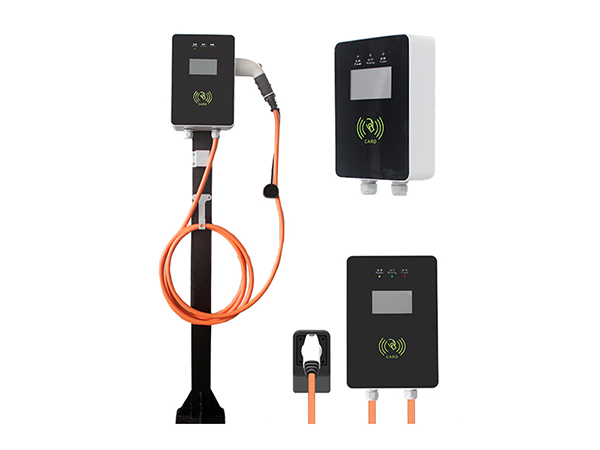
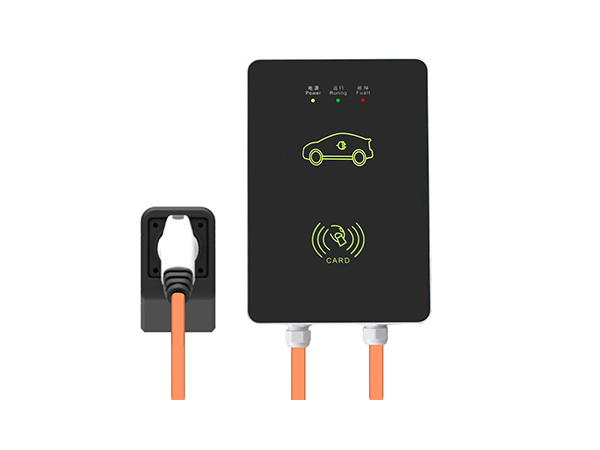
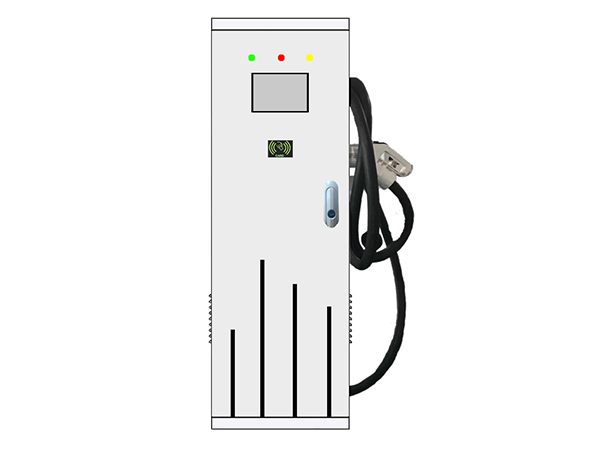
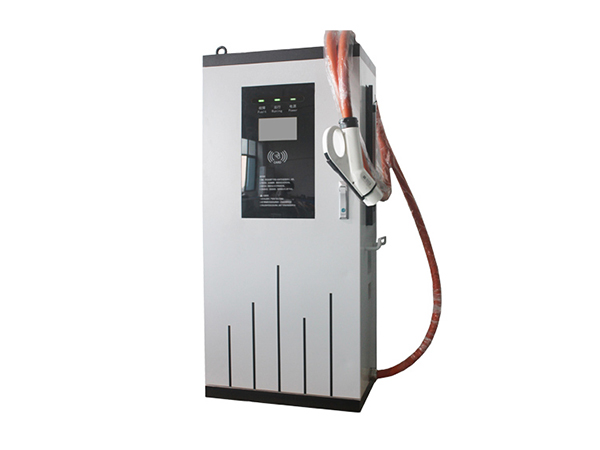
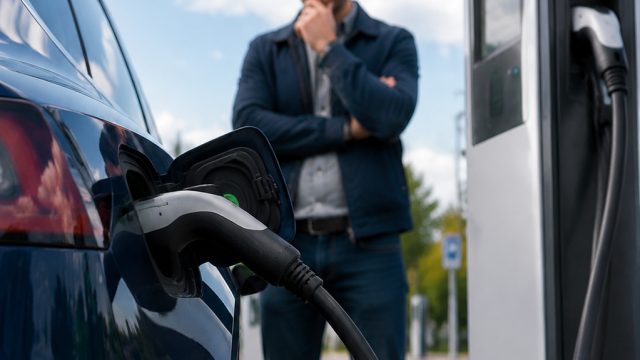
As electric vehicle (EV) adoption continues to surge, recent reports indicate a troubling trend: the cost of charging an EV is increasingly mirroring the prices of petrol and diesel. This shift raises alarm bells for consumers and industry experts alike, as it could have significant implications for the future of electric mobility.
The Current Landscape of EV Charging Costs
In recent months, many EV owners have noticed a disturbing trend in their charging bills. Data reveals that average charging costs at public stations are nearing or even matching the price per gallon of gasoline. This development is particularly concerning at a time when EVs were initially marketed as a more economical and environmentally friendly alternative to traditional vehicles.
Why Are Prices Rising?
Several factors contribute to the escalating costs of EV charging:
- Increased Demand: With more consumers investing in electric vehicles, the demand for charging infrastructure has skyrocketed, leading to potential supply constraints.
- Electricity Costs: Rising energy prices, influenced by global market fluctuations, have a direct impact on the cost of charging EVs.
- Infrastructure Investments: As companies and municipalities strive to expand EV charging networks, the costs associated with building and maintaining these systems are being passed on to consumers.
Implications for EV Owners
The alignment of EV charging costs with traditional fuel prices brings several concerns for current and prospective EV owners:
Budgeting for Charging
Many EV owners initially chose electric vehicles with the expectation of enjoying lower operating costs. As charging prices rise, budgeting for these expenses becomes more complicated. Consumers are encouraged to:
- Monitor local charging rates closely.
- Consider home charging options to mitigate costs during peak pricing periods.
- Utilize charging apps that provide real-time rates and discounts.
Potential Shift in Consumer Perception
The perception of electric vehicles as a cost-effective choice can be compromised if charging prices remain high. Manufacturers and charging network providers must work proactively to address this issue through:
- Transparent pricing models that offer consumers clarity.
- Incentives for charging during off-peak hours to reduce costs.
- Ensuring the expansion of affordable public charging options.
Industry Response and Future Outlook
With increasing concerns about EV charging costs, industry stakeholders are keenly aware of the need for action:
Technological Innovations
To help manage rising costs, companies are exploring various technological advancements, including:
- Smart Charging Solutions: These systems optimize charging times based on energy prices, allowing users to save money.
- Renewable Energy Integration: Utilizing solar or wind energy for charging stations can significantly lower costs.
- Battery Technology Improvements: Enhancements in battery technology may lead to faster and cheaper charging solutions.
Government Legislation
Policymakers are recognizing the importance of supporting EV infrastructure. Ongoing discussions may lead to:
- Subsidies for charging stations to keep consumer costs down.
- Regulations to ensure fair pricing across charging networks.
- Investment in public charging networks to improve accessibility and affordability.
Conclusion: A Call for Action
The rising costs of EV charging could pose a significant challenge to the growth of electric vehicles. However, there is still an opportunity to address these issues through innovation, consumer education, and supportive legislation. As stakeholders work collaboratively, the goal remains to ensure that electric vehicles remain a viable, affordable alternative to traditional fuel-powered cars. For the sustainability of our planet and the future of transportation, it's vital that we prioritize affordable EV charging solutions now more than ever.