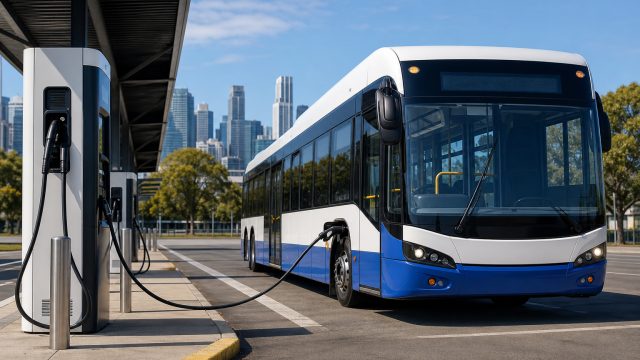
In a pivotal move for sustainable transport, New South Wales (NSW) has announced a transformative investment of $6.5 billion aimed at expanding its electric bus fleet and enhancing charging infrastructure. As urban areas worldwide grapple with pollution and traffic congestion, this initiative positions NSW as a leader in green public transport solutions. The funding is set to accelerate the shift towards electric vehicles (EVs), making public transportation not just greener but also more efficient.
The Driving Force Behind the Initiative
The substantial investment comes as part of a broader strategy to reduce carbon emissions in line with the state's ambitious climate goals. With transportation accounting for a significant portion of greenhouse gas emissions, transitioning to electric buses is essential. This initiative reflects the urgent need for environmentally friendly transport solutions that can alleviate urban air quality issues.
Key Objectives of the $6.5 Billion Investment
- Expand the Electric Bus Fleet: NSW aims to significantly increase the number of electric buses on the roads, reducing reliance on fossil fuels.
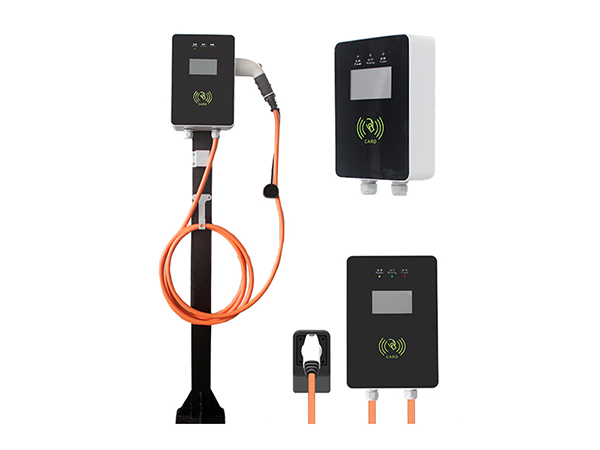
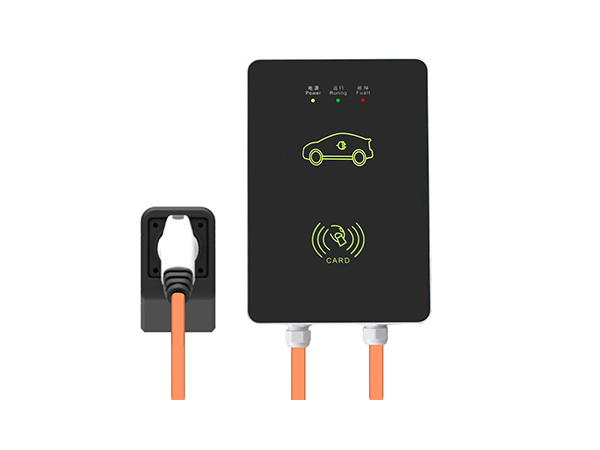
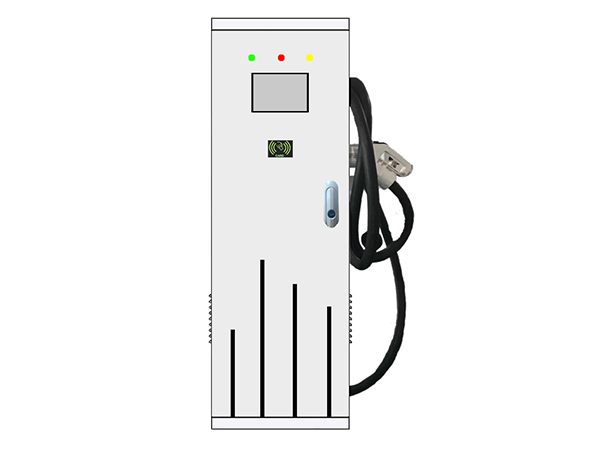
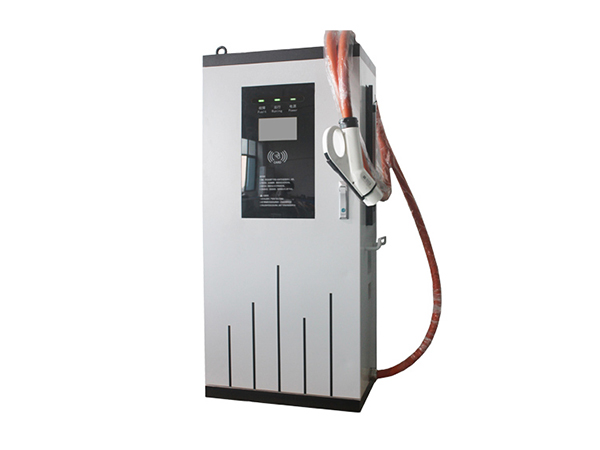
- Enhance Charging Infrastructure: Develop extensive charging stations to support the growing fleet of electric buses, ensuring reliable service.
- Job Creation: The initiative is expected to create thousands of jobs in manufacturing, maintenance, and operation of electric buses.
- Promote Sustainable Urban Mobility: Encourage the use of public transport as a critical component of eco-friendly urban living.
Why This Matters Now
The urgency of transitioning to electric public transport cannot be overstated. As cities around the globe strive to meet climate targets, the spotlight is firmly on public transport as a major contributor to urban emissions. By committing to this investment, NSW is not only addressing immediate environmental concerns but also setting a precedent for other states and countries to follow.
Current Trends in Electric Mobility
The global trend towards electrification of public transport is gaining momentum. Many cities are already seeing the benefits of integrating electric buses into their fleets, including:
- Cost Savings: Electric buses have lower operational costs compared to diesel counterparts, leading to long-term savings for public transport authorities.
- Reduced Noise Pollution: Electric buses operate more quietly than traditional buses, contributing to a more pleasant urban environment.
- Enhanced Rider Experience: With smoother rides and reduced emissions, electric buses are appealing to passengers looking for sustainable transport options.
Future Implications for NSW's Transport Landscape
As the NSW government moves forward with this investment, the implications for the local transport landscape will be significant. With an expanded fleet of electric buses, commuters can expect more frequent and reliable service. Additionally, the rollout of charging stations will facilitate faster turnaround times for the buses, optimizing their use throughout the day.
Challenges Ahead
Despite the promising outlook, there are challenges to overcome. Key considerations include:
- Initial Infrastructure Costs: Developing charging stations will require upfront investment and planning.
- Public Acceptance: Gaining public trust and encouraging the adoption of electric buses is crucial for success.
- Technological Advancements: Ongoing innovations in battery technology will be necessary to extend the range and efficiency of electric buses.
Conclusion: A Step Towards a Greener Future
The $6.5 billion investment by NSW marks a significant step towards building a sustainable and efficient public transport system. By embracing electric mobility, the state not only enhances its environmental credentials but also invests in the future of transportation. As cities globally seek solutions to combat climate change, NSW’s initiative could serve as a model for others to emulate. The time for action is now, and with this investment, the future of urban transport is looking brighter than ever.