

Key Takeaways
- UK EV drivers are looking to travel across Europe.
- Improvement in charging infrastructure boosts confidence.
- ASEAN region shows interest in EV solutions.
- Innovations in charging tech enhance travel experience.
- Traveling with an EV reduces carbon footprint.
Boosting Confidence for International EV Travel
With 2023 bringing a notable uptrend in electric vehicle adoption, UK drivers are increasingly optimistic about planning trips to Europe. The rise in EV ownership, coupled with the expanding charging infrastructure, ensures that long journeys are more manageable. Notably, popular destinations such as Paris, Amsterdam, and Berlin are now seeing a surge in electric vehicle charging stations, making it easier than ever for electric vehicle owners to travel abroad.
The Growth of Charging Networks
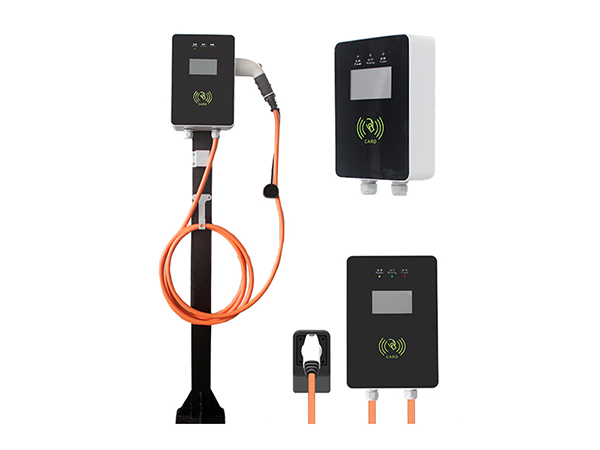
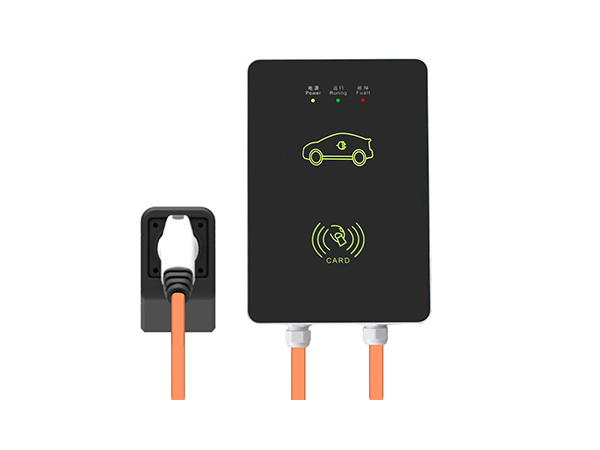
The European continent has made significant advancements in its EV charging networks. Cities like London and Brussels have witnessed a rapid installation of high-speed chargers, ensuring minimal waiting times. As of mid-2023, Europe boasts over 300,000 public charging stations, a figure that is expected to grow as demand rises. This expansion mirrors the trend seen in Southeast Asia, where countries like Indonesia are exploring sustainable transportation solutions.
Why EV Trip Planning Matters Now
Planning an international trip with an electric vehicle is not just about convenience; it also reflects a broader shift towards sustainability. Eco-conscious travelers prioritize EVs to lessen their carbon footprint during vacations. The UK government supports this transition by investing in electric vehicle infrastructure. The recent initiatives in charging technology have made it possible for drivers to find stations easily and ensure that they are never far from a power source.
Understanding Regional Developments in EV Adoption
The ASEAN market, particularly Indonesia, is witnessing a growing interest in EVs and related charging solutions. With initiatives aimed at reducing urban traffic and pollution, Indonesian cities like Jakarta and Surabaya are poised to become frontline players in the EV market. The government is working on building a reliable network of charging stations across major cities and tourist destinations, paving the way for a green travel future.
Innovations and Technologies in Charging
Emerging technologies play a crucial role in the EV landscape. Fast-charging stations now enable drivers to power up their vehicles in a fraction of the time it previously took. This is especially beneficial for road trips, where every minute counts. The introduction of real-time charging station locators in navigation apps helps prevent range anxiety, allowing drivers to focus on enjoying their journey rather than worrying about battery life.
EVs in the Travel Experience
Traveling through Europe in an electric vehicle offers a unique experience that traditional vehicles cannot match. Many EVs come equipped with advanced features that enhance the travel experience, such as energy-efficient driving modes and interactive infotainment systems. Furthermore, parents traveling with children can enjoy the added benefit of quieter rides, making journeys more comfortable for everyone. The advent of EV rentals in top tourist destinations further provides travelers with a sustainable option while exploring new locales.
Conclusion
The increasing trend of UK drivers planning trips to Europe with electric vehicles marks a significant shift in travel habits. Supported by advancing charging infrastructure and a commitment to sustainability, this movement is not just about convenience but also reflects a desire for greener travel options. With ongoing developments in Southeast Asia, particularly in Indonesia, the push for electric vehicles will likely continue to gain momentum, fostering a future where eco-friendly travel is the norm. As awareness and infrastructure grow, the excitement around EV trips across borders will undoubtedly flourish.