Key Takeaways
- EU's new proposal aims to streamline EV charging station approvals.
- Launch date for the proposal is set for early 2024.
- This move supports the EU's commitment to carbon neutrality by 2050.
- Indonesia and ASEAN are looking to replicate EU's successful model.
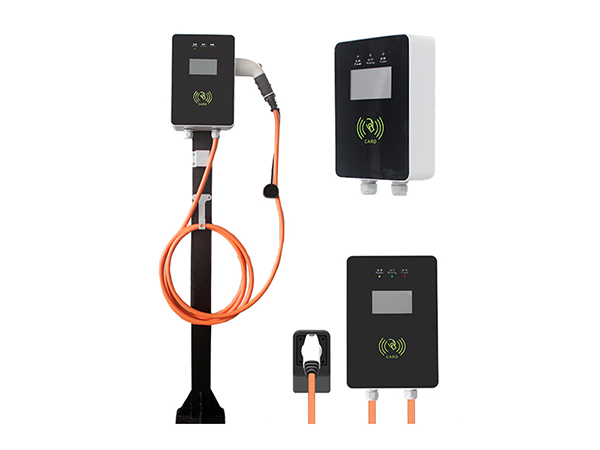
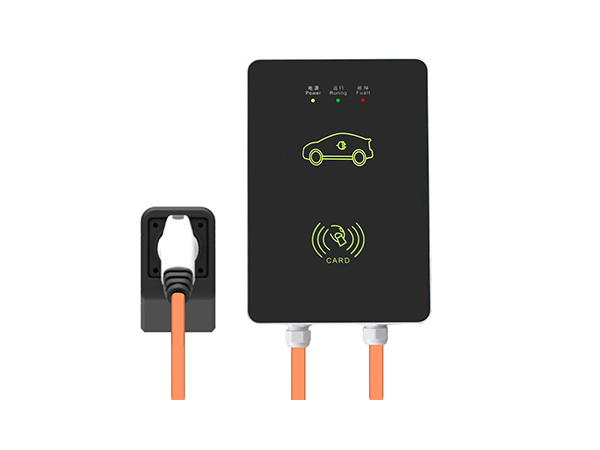
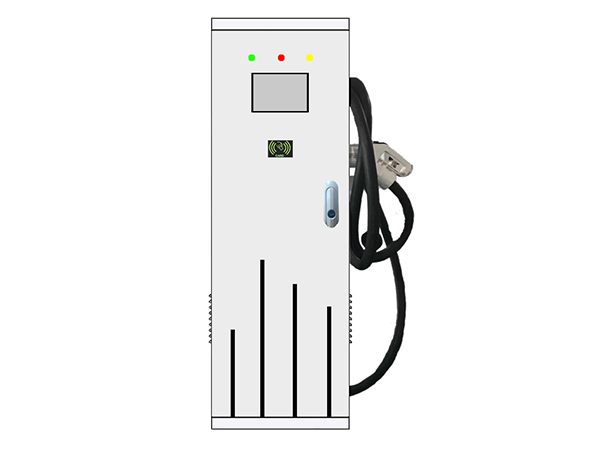
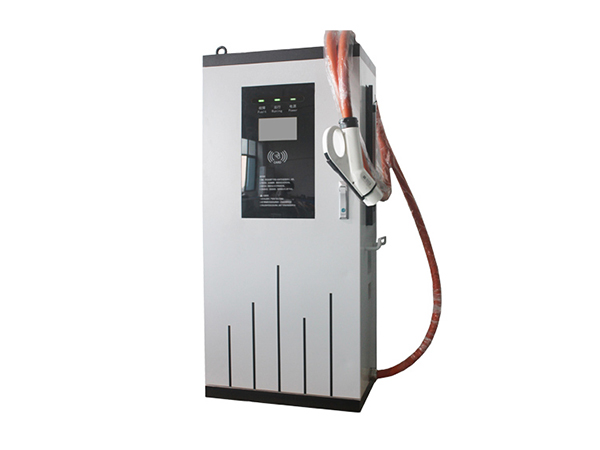
- Efficient charging infrastructure is crucial for EV adoption.
The Urgent Need for Enhanced EV Infrastructure
The European Parliament is set to introduce a landmark proposal aimed at accelerating the approval process for electric vehicle (EV) charging stations. This initiative is imperative in the context of the continent's aggressive climate targets, as Europe seeks to achieve carbon neutrality by 2050. By streamlining approval processes, the EU hopes to significantly increase the number of charging points available, making electric vehicles a viable option for more consumers.
Current Landscape and Challenges
Amid a growing demand for electric vehicles, the existing infrastructure in Europe has struggled to keep pace. As of 2023, there are about 350,000 charging stations across the EU, with a target of 3 million by 2030. The cumbersome approval process has been a major bottleneck, causing delays in deployment and hindering the momentum of EV adoption.
Indonesia's Response and Regional Implications
Considering the EU's progressive steps, countries in Southeast Asia, particularly Indonesia, are taking note. The Indonesian government has set targets for EV sales and is keen to bolster its charging infrastructure. Major cities like Jakarta, Surabaya, and Bali are expected to lead the charge in developing this essential network.
Learning from Europe
Authorities in Indonesia are exploring the potential for a streamlined approval system similar to that in the EU. The focus is not merely on increasing the number of charging stations but ensuring their accessibility and reliability. Drawing lessons from the EU's experience can help Indonesia avoid common pitfalls while accelerating its own EV adoption goals.
Future Prospects and Economic Opportunities
With the EU pushing for rapid advancements in EV infrastructure, it opens up vast economic opportunities, especially in the clean energy sector. As investments flood into new technology and charging solutions, job creation and economic growth are expected to follow suit. This model could serve as a blueprint for ASEAN countries looking to capitalize on the growing EV market.
Impact on Local Markets
The emphasis on EVs and charging stations is not just an environmental imperative, but an economic one as well. Reports indicate that the global market for EV charging solutions is expected to reach $100 billion by 2027. Indonesia can position itself as a key player in this market by developing supportive policies and infrastructure.
Conclusion: A Step Toward a Sustainable Future
The EU's initiative to streamline the approval process for EV charging stations is a significant landmark in the push toward a more sustainable future. As Southeast Asia looks to enhance its own infrastructure, cooperation and knowledge-sharing with Europe can catalyze rapid advancements in EV adoption. By investing in charging infrastructure and aligning with global trends, both Europe and Southeast Asia can accelerate their journey toward carbon neutrality and a greener economy.