Key Takeaways
- EV sales in Southeast Asia projected to exceed 10 million by 2025.
- Indonesia leads the region in government investment for EV infrastructure.
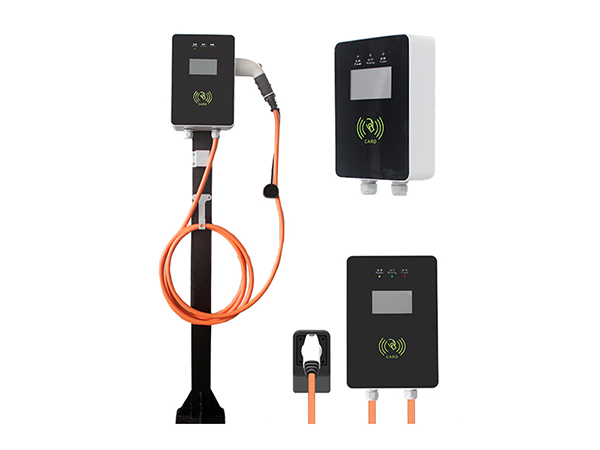
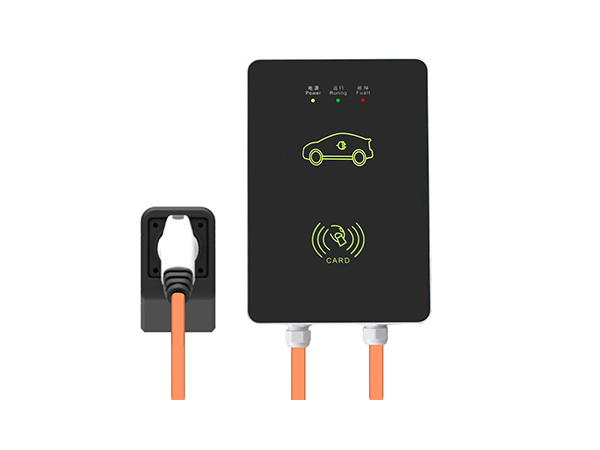
- Innovative charging technologies enhance user convenience and efficiency.
- Growing public-private partnerships are crucial to expand EV networks.
- Consumer awareness and acceptance are key drivers for market growth.
Introduction
As the world pivots towards sustainable energy solutions, the expansion of electric vehicle (EV) charging infrastructure has never been more critical. Southeast Asia, particularly nations like Indonesia, is emerging as a promising market for EV adoption. With governments implementing incentives and consumers becoming increasingly eco-conscious, the demand for reliable and innovative EV charging solutions is at an all-time high.
Current Trends Shaping the EV Charging Market
The EV charging landscape is evolving rapidly, influenced by a combination of technological advancements and regulatory support. Below are key trends that are shaping the future of EV charging in Southeast Asia:
1. Rise of Fast and Ultra-Fast Charging Stations
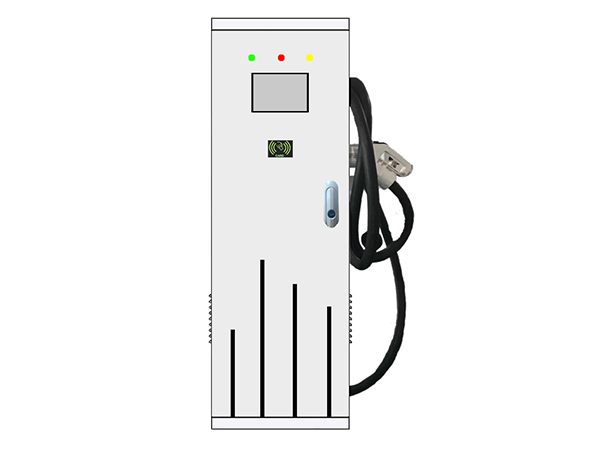
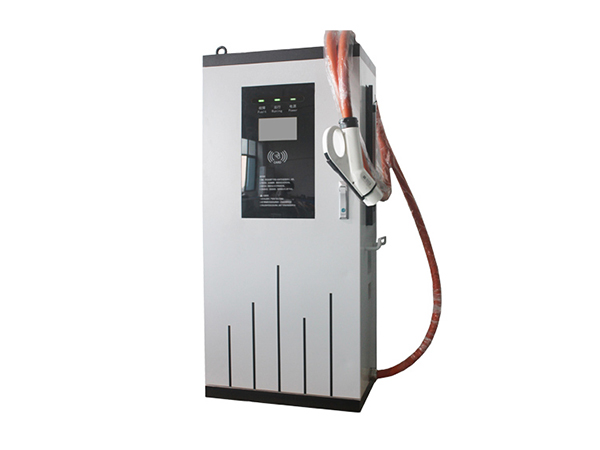
In urban locales like Jakarta and Surabaya, the installation of fast and ultra-fast charging stations is gaining momentum. These stations reduce charging times significantly, allowing EV users to power up in just 20-30 minutes. This convenience is pivotal for encouraging more drivers to transition to electric vehicles.
2. Integration of Renewable Energy Sources
As countries prioritize green solutions, integrating renewable energy into the charging process is becoming standard practice. Solar and wind power can significantly lower the carbon footprint of charging stations. In Bali, for instance, several new charging stations are powered entirely by solar energy, showcasing a sustainable model for future developments.
3. Enhanced User Experience through Technology
Modern charging solutions now include user-friendly apps that allow drivers to locate available charging stations, monitor charging status, and even make payments seamlessly. The importance of a smooth user experience cannot be overstated, as it directly impacts consumer adoption rates.
The Role of Government Initiatives
Governments across Southeast Asia are recognizing the necessity of robust EV infrastructure to support the growing electric vehicle market. As part of the ASEAN initiative, Indonesia has committed to enhancing its EV charging network, aiming for at least 2,200 charging points by 2025. Indonesia's commitment is a vital step towards creating a comprehensive EV ecosystem that promotes sustainability.
Investment in EV Infrastructure
Investments in charging infrastructure are crucial, with both public and private sectors collaborating to fund projects. In 2022, Indonesia’s government allocated over $500 million for EV initiatives, a figure expected to rise as demand continues to grow.
Public-Private Partnerships (PPPs)
Partnerships between governments and private enterprises are becoming increasingly important. These collaborations facilitate knowledge sharing and resource pooling, accelerating the deployment of charging stations across regions.
Challenges Ahead
While the outlook for EV charging solutions in Southeast Asia is optimistic, challenges remain. Key issues include:
- Insufficient charging station coverage in rural areas.
- High costs associated with establishing robust EV infrastructure.
- Ongoing consumer skepticism towards EV technology.
Addressing these challenges requires concerted efforts from all stakeholders, including government bodies, private companies, and consumers.
Conclusion
The EV charging solutions market in Southeast Asia is on the cusp of a significant transformation. With increased investments, technology advancements, and governmental support, the region is well-positioned to lead in EV adoption. As we move through 2023, the emphasis on developing efficient and accessible charging infrastructure will be pivotal in ensuring that electric vehicles become a practical and attractive option for consumers across Indonesia and beyond.