Key Takeaways
- Infrastructure challenges hinder electric vehicle charging accessibility.
- High upfront costs deter potential EV buyers across Indonesia.
- Consumer education is essential for increasing market readiness.
- Government policies significantly influence the EV landscape.
- Incentives can boost adoption rates in key ASEAN markets.
The Current State of Electric Vehicle Adoption
The electric vehicle (EV) sector is on the brink of a transformative shift, particularly in Southeast Asia. As countries like Indonesia, Malaysia, and Thailand grapple with the transition to sustainable practices, the urgency to address barriers to EV adoption has never been more pressing. A study conducted in 2023 highlighted that despite rising interest, only about 1.5% of the total vehicle market in Indonesia comprises electric vehicles.
Infrastructure: A Major Hurdle
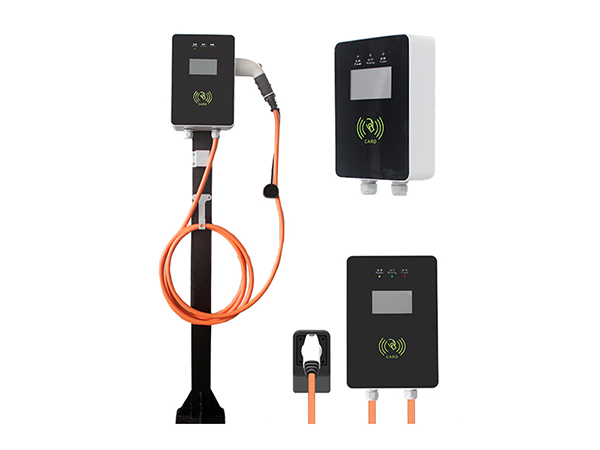
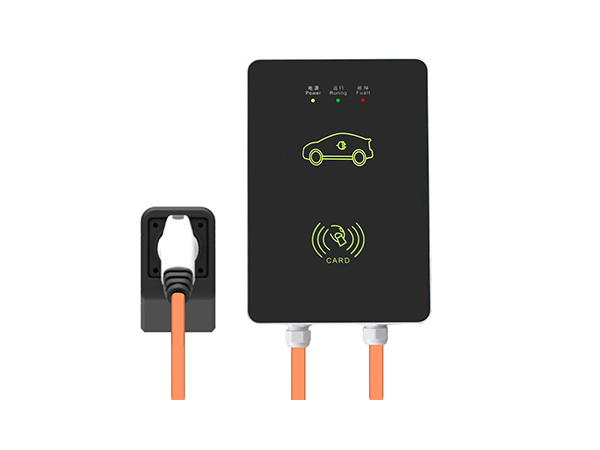
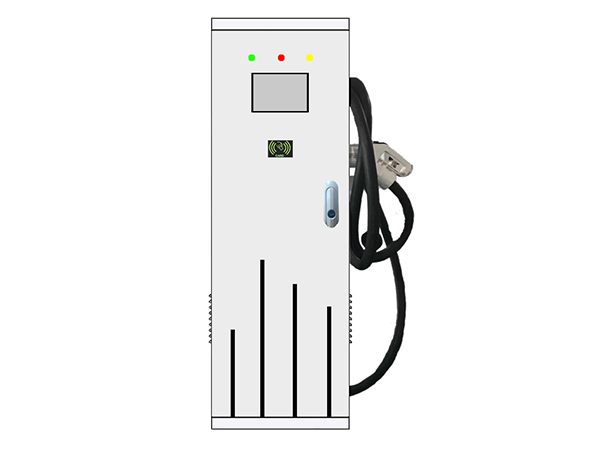
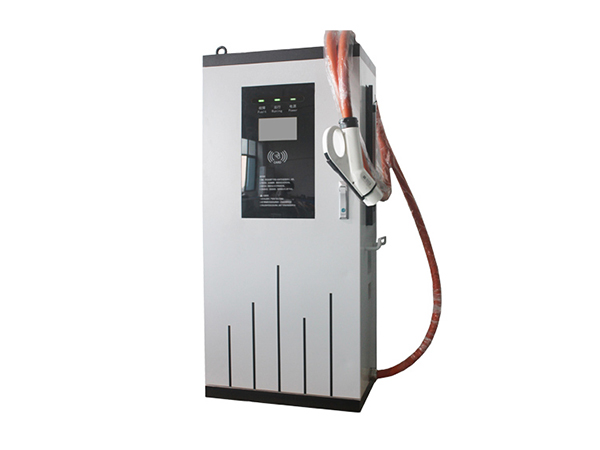
One of the most significant barriers to the electrification of transportation is the lack of charging infrastructure. Many regions, especially rural areas, lack sufficient charging stations, making it difficult for potential EV owners to consider electric vehicles. According to a report from the Association of Southeast Asian Nations (ASEAN) in mid-2023, only 20% of urban areas in Indonesia have adequate charging facilities.
High Costs Associated with EVs
While the market for electric vehicles is growing, the initial investment remains a substantial deterrent. In Indonesia, the average price of a new EV exceeds $30,000, a steep price compared to conventional vehicles. This high cost, combined with limited financing options, restricts the demographic that can afford an EV. The government is actively seeking ways to provide subsidies to lower these initial expenses, but challenges remain.
Government Initiatives and Market Dynamics
Governments in Southeast Asia are beginning to implement measures to facilitate the transition towards electric vehicles. The Indonesian government, for instance, launched the "EV Roadmap" in 2022, aiming to have 2.1 million electric vehicles on the road by 2025. This ambitious plan includes tax incentives and investments in charging infrastructure. However, the effectiveness of such initiatives will depend on sustained commitment and collaboration between public and private sectors.
Consumer Education and Engagement
Consumer awareness of electric vehicles is another crucial aspect. Many potential buyers are still uncertain about the benefits of EVs and how they compare to traditional vehicles. Campaigns that focus on educating the public about the operational savings, environmental benefits, and government incentives can shift public perception. Engaging content in major urban areas like Jakarta and Surabaya can help demystify electric vehicle ownership.
Future Considerations for the EV Market
As we look ahead, the growth potential for electric vehicles in Southeast Asia is substantial, given the right conditions. Issues like accessibility to reliable charging infrastructure, awareness, and affordability must be addressed. Moreover, cooperation among ASEAN countries can lead to shared knowledge and innovative solutions tailored to regional challenges.
Potential for Renewable Energy Integration
The integration of renewable energy sources into the EV charging ecosystem could redefine the landscape. Countries like Indonesia, which have abundant renewable resources, can harness this potential to create a sustainable EV charging network. This would not only increase the adoption rate but also contribute positively to the environment.
Conclusion
The barriers to electric vehicle adoption in Southeast Asia are multifaceted, involving infrastructure, costs, and consumer readiness. However, with proactive government policies, increased investment in technology, and a focus on consumer education, the region can expect to see significant growth in EV adoption in the coming years. As the market evolves, the collaboration between governments, manufacturers, and consumers will be vital in shaping a sustainable transportation future.