
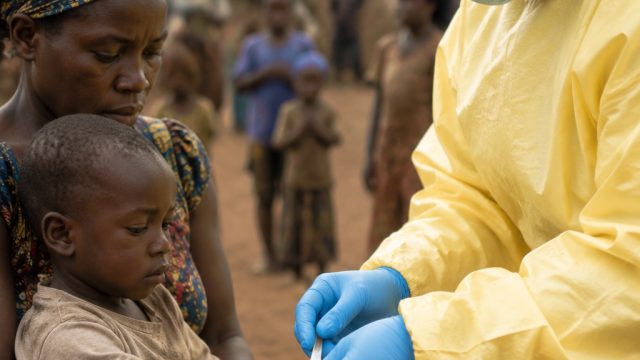
The Democratic Republic of the Congo is currently experiencing a significant health crisis as the Ebola outbreak surpasses 1,000 confirmed cases, marking the highest number recorded in the first month of any outbreak. This alarming development has raised serious concerns as UNICEF reports that nearly 3 million children and adolescents in Eastern DRC face increasing risks due to the epidemic.
Understanding the Crisis
The outbreak, primarily fueled by the Bundibugyo virus, poses an imminent threat not only to adults but also to a vast number of vulnerable children. The situation is dire; the World Health Organization (WHO) has categorized this outbreak as a critical public health emergency, emphasizing the need for immediate intervention to protect the most at-risk populations.
Why Are Children Particularly Vulnerable?
Children are at a higher risk during such outbreaks for several reasons:
- Increased Exposure: Children often have closer physical interactions with caregivers and community members, increasing their chances of exposure to the virus.
- Healthcare Access: Many children in Eastern DRC have limited access to healthcare resources, exacerbating their vulnerability in the face of such diseases.
- Nutritional Deficiencies: Malnutrition is rampant in conflict-affected regions, compromising children’s immune systems and making them more susceptible to infections.
UNICEF's Response and Recommendations
In light of the escalating situation, UNICEF has initiated several critical interventions aimed at safeguarding children:
- Health Education: Community engagement programs to educate families about Ebola transmission and prevention are essential.
- Vaccination Drives: Expanding access to vaccinations for those at risk will be pivotal in curbing the spread of the virus.
- Support Services: Mental health and psychosocial support services are being introduced to help children cope with the trauma associated with the outbreak.
Long-term Solutions Required
While immediate interventions are crucial, sustained efforts are needed to ensure the health and safety of children in the region:
- Infrastructure Development: Investing in healthcare infrastructure will facilitate better responses to future outbreaks.
- International Support: Global cooperation and funding are necessary to strengthen local health systems and provide ongoing support.
- Community Resilience: Empowering communities through education and resources will help them better prepare for health emergencies.
Conclusion: The Time to Act is Now
The current Ebola outbreak in Eastern DRC represents an urgent call to action for world leaders, humanitarian organizations, and local communities. With nearly 3 million children at risk, the focus must be on immediate protective measures and long-term health strategies. It is vital to mobilize resources, share knowledge, and implement effective programs to safeguard the future of these children, ensuring they grow up in a safe and healthy environment. The time to act is now—because no child should face this crisis alone.