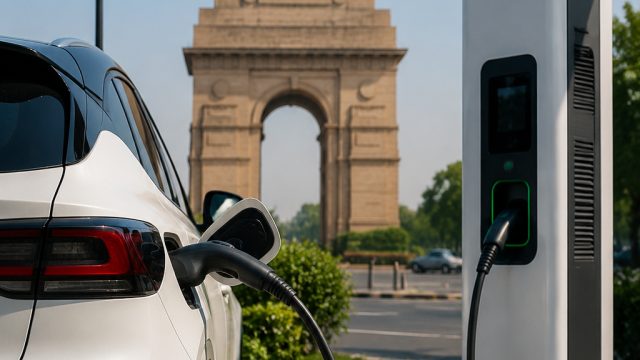
Delhi's New EV Charging Hubs: A Step Towards Sustainable Urban Mobility
As the world pivots towards sustainable transportation solutions, Delhi is stepping up its game with the introduction of new electric vehicle (EV) charging hubs. Strategically located near major markets and metro stations, these hubs are set to transform the urban landscape, encouraging more people to switch to electric vehicles and reduce their carbon footprint.
Why Now? The Urgency for EV Infrastructure
With a surge in electric vehicle adoption across India, the need for comprehensive charging infrastructure has never been more pressing. According to recent data, the number of registered electric vehicles in Delhi has increased significantly, prompting the government and private sectors to collaborate on enhancing charging accessibility.
Increased EV Adoption
- Declining battery costs and improved technology have made EVs more affordable.
- Government incentives encourage both buyers and manufacturers to invest in electric mobility.
- Environmental awareness is driving consumers towards greener alternatives.
Addressing Charging Needs
Currently, the lack of sufficient charging stations often deters potential EV buyers. By establishing new hubs in high-traffic areas, Delhi aims to alleviate this barrier. These charging stations will not only serve commuters but will also support the local economy by attracting EV users to nearby businesses.
Locations and Features of the New Charging Hubs
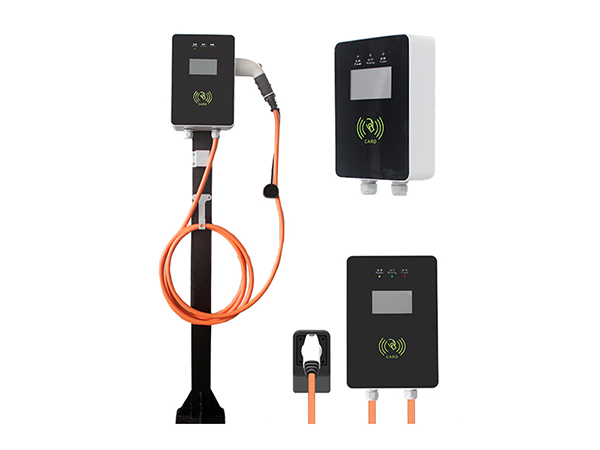
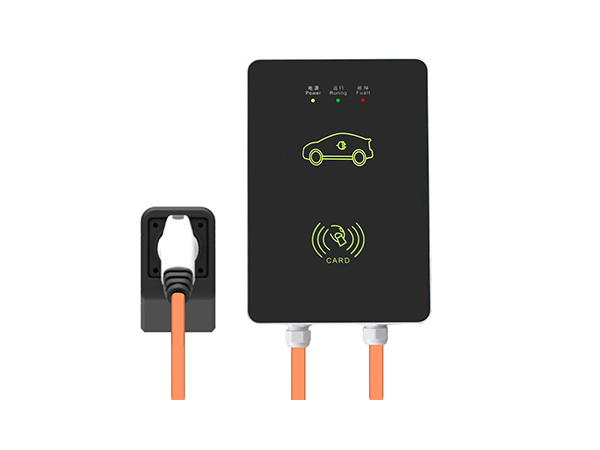
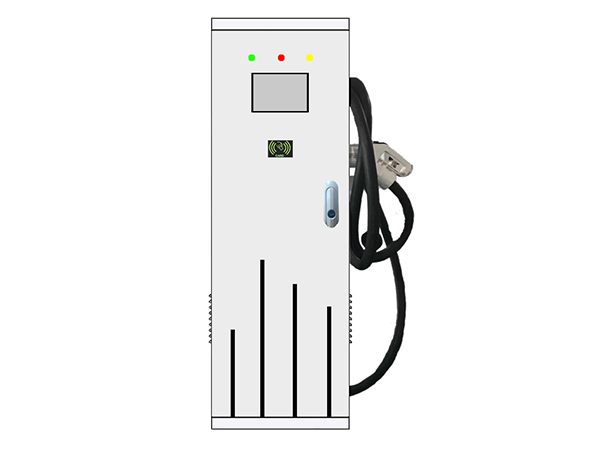
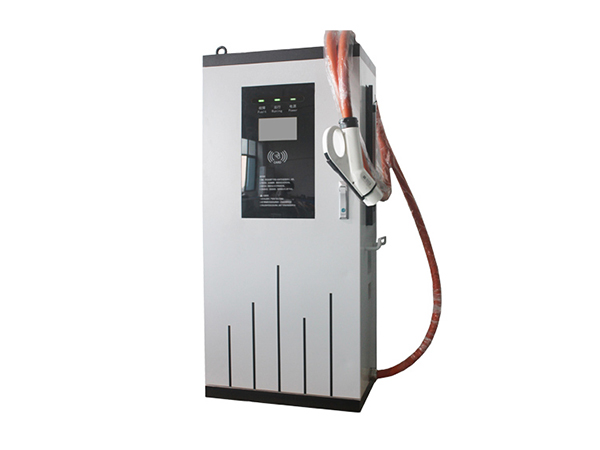
The newly proposed charging hubs will be strategically placed in bustling areas such as markets and metro stations, ensuring convenience for users. Each hub will feature multiple charging points, accommodating various vehicle models and types.
Key Features Include:
- Fast charging options to minimize waiting times.
- 24/7 availability to cater to different user schedules.
- Mobile app integration for easy location access and payment options.
Locations of Interest
Some of the prominent locations slated for the installation of these EV charging hubs include:
- Connaught Place - a central business district.
- Chandni Chowk - a major market area.
- Dwarka Sector 21 Metro Station - a crucial transit point.
Impact on Urban Mobility and Environment
The introduction of these charging hubs is not just about providing electricity; it's about reshaping how Delhi approaches urban mobility and environmental sustainability. By making electric vehicles a more practical option for daily commuters, the city aims to decrease air pollution and congestion.
Benefits of Enhanced Charging Infrastructure
- Reduction in greenhouse gas emissions.
- Improved air quality in urban areas.
- Support for the local economy through increased foot traffic.
Government and Community Support
The initiative has garnered support from both government bodies and community organizations. Local authorities are actively engaging with residents to promote the advantages of electric vehicles and the new charging network. Educational campaigns are being conducted to inform the public about the benefits of transitioning to electric mobility.
Conclusion: A Greener Future Awaits
The launch of EV charging hubs in Delhi is a significant milestone in the journey towards sustainable urban mobility. By investing in infrastructure that supports electric vehicles, the city is not only addressing current needs but is also paving the way for a cleaner, greener future. As these hubs become operational, Delhiites will have more incentives to embrace electric vehicles, ultimately leading to a reduction in pollution and a boost to the local economy. The future of urban transportation in Delhi is bright, and it starts with these innovative charging solutions.