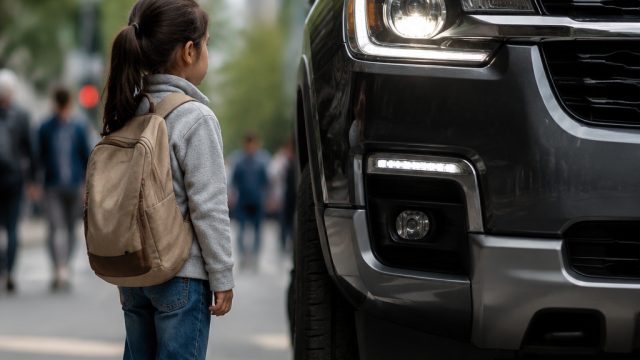
In recent years, a troubling trend has emerged in urban environments: as vehicles have grown taller, the number of pedestrian fatalities has surged. This alarming statistic is prompting urgent discussions about safety regulations and the design of automobiles. With the adoption of electric vehicles (EVs) on the rise, it is crucial to address how vehicle height affects pedestrian safety and the broader implications for urban planning.
The Connection Between Vehicle Height and Pedestrian Fatalities
The increase in vehicle height is not just a superficial change; it has profound consequences. In the United States, studies have shown that taller cars are more likely to cause severe injuries or fatalities in pedestrian accidents. The greater stature of SUVs and trucks means that drivers have a higher vantage point, which may lead to less awareness of their surroundings when it comes to low-lying pedestrians.
Statistics that Shock
- Between 2010 and 2020, pedestrian deaths rose by 46% in the U.S. while vehicle design continued to evolve.
- Taller vehicles account for a disproportionate number of pedestrian accidents.
- Experts estimate that a pedestrian is more likely to survive an accident involving a sedan than one involving a larger vehicle.
Why Now is the Time for Awareness and Action
With the automotive industry in a state of transition, this moment presents a unique opportunity to rethink vehicle design and safety standards. The rise of electric vehicles offers a chance to innovate not just in terms of fuel efficiency, but also pedestrian safety. EV manufacturers can set new benchmarks by incorporating advanced safety technologies that prioritize the protection of vulnerable road users.
Possible Solutions
As stakeholders in the automotive sector ponder these challenges, several solutions are on the table:
- Enhanced Safety Features: Implementing automatic braking systems, collision detection, and pedestrian alerts in all new vehicles.
- Design Regulations: Advocating for regulations that limit vehicle heights or require designs that improve visibility for drivers.
- Community Initiatives: Promoting awareness campaigns aimed at educating drivers about the dangers associated with taller vehicles.
The Role of Technology in Mitigating Risks
New technologies in the automotive industry, particularly in the EV sector, can play a pivotal role in reducing pedestrian accidents. For instance, integrating AI into vehicle design could help create systems that recognize pedestrians and adjust driving behavior accordingly. This not only enhances safety but also fosters a more responsible driving culture.
Future Innovations
Looking ahead, there are several promising technologies that could reshape how vehicles interact with their surroundings:
- Smart Traffic Management Systems: Real-time data sharing between vehicles and traffic infrastructure can help manage flows and improve safety.
- Improvements in EV Technology: The development of smaller, lighter electric vehicles could encourage a shift away from larger models.
- Augmented Reality Dashboards: Providing drivers with enhanced visual information about pedestrians and obstacles could reduce accidents.
Conclusion: A Collective Responsibility
Addressing the rise in pedestrian fatalities linked to increasing vehicle heights requires a collective approach. Manufacturers, regulators, and the community must work together to ensure that safety remains at the forefront of vehicle design and urban planning. As we transition to more sustainable energy solutions, it’s imperative that we also focus on the safety of pedestrians to create an environment where innovation and safety coexist.
At Elmoraq, we are committed to advocating for safer electric vehicle solutions that prioritize pedestrian safety. As we look to the future, let’s strive to make our roads safer for everyone.