

In a dramatic and raw portrayal of reality, the play Free Me, penned by Kenyan playwright Gathoni Kimuyu, brings the pressing issue of gender-based violence to the forefront of public consciousness. As societal conversations around such violence intensify, this theatrical work not only entertains but also educates and empowers audiences to confront these uncomfortable truths.
Confronting Harsh Realities
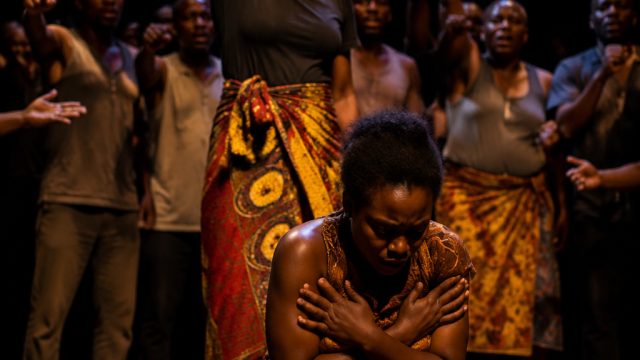
Set in Nairobi, Free Me delves into the life of a woman trapped in an abusive relationship. The emotional climax of the play showcases a husband unleashing physical aggression against his spouse, a scene that elicits gasps from the audience. This visceral representation is not merely for shock value; it serves to reflect the stark realities many women face daily in Kenya.
Bringing Awareness to Light
Gathoni Kimuyu aims to use her platform to catalyze change. In a society where silence often reigns, her goal is to encourage victims to voice their experiences and seek help. The play acts as a mirror, reflecting the grim statistics of gender-based violence in the region, and aims to spark vital discussions among attendees.
A Call for Action
- Understanding the impact of gender-based violence on society.
- Creating safe spaces for victims to share their stories.
- Fostering community dialogues to challenge societal norms.
The Role of Arts in Social Change
Theatre has long been recognized as a powerful tool for social change, and Free Me exemplifies this potential. By dramatizing personal experiences, the play not only highlights individual struggles but also represents collective societal challenges. Kimuyu's work is part of a larger movement within Kenya where artists are stepping up to address crucial social issues through creative expression.
Engaging the Community
The response to the play has been overwhelmingly positive, with audiences expressing gratitude for the courage it takes to tackle such a sensitive topic. Community leaders and activists view Free Me as a vital asset in the fight against gender-based violence. Increased awareness can lead to more robust support systems for victims, fostering a culture of trust and solidarity.
Empowering Victims Through Stories
One of the most poignant messages of the play is the importance of storytelling in the healing process. By sharing their narratives, victims can reclaim their power and start their journey toward recovery. Free Me encourages its viewers to listen, empathize, and engage with these stories, breaking down the stigma surrounding domestic violence.
What’s Next for Theatre and Activism?
As the conversation surrounding gender-based violence grows, so too does the responsibility of artists to contribute to social discourse. Future productions focused on similar themes are likely to emerge, continuing to shed light on often-overlooked issues. The collaboration between theatre and activism can create a ripple effect, instilling hope and encouraging change.
Conclusion: A Step Toward Healing
In conclusion, Free Me is not just a play but a movement aimed at dismantling the silence surrounding gender-based violence in Kenya. Gathoni Kimuyu’s work embodies the spirit of resilience and change, advocating for a society where every individual can feel safe and valued. As more voices join this crucial dialogue, the hope is that the stigma will be replaced with understanding, support, and ultimately, a collective push towards a violence-free future.