


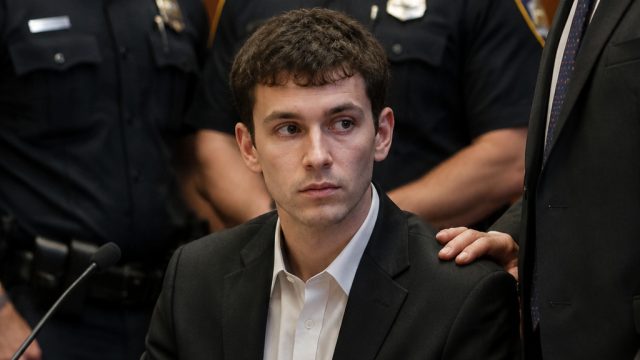
In a landmark decision that underscores the intertwining of activism and legal consequences, eight individuals involved in the shooting incident at an immigration center in Texas have received severe prison sentences. This case, which has captured national attention, raises critical questions about protest methods and the legal boundaries of activism.
Background of the Incident
The shooting occurred at an Immigration and Customs Enforcement (ICE) facility in Alvarado, Texas, during a protest organized against the agency's policies. The incident, characterized by escalating tensions, resulted in injuries and significant property damage. Activists had gathered with the intent of voicing their opposition to the treatment of immigrants, but the situation took a violent turn, leading to charges of terrorism against the protesters.
Charges and Convictions
The defendants were found guilty of various charges, including conspiracy and aggravated assault. Following a lengthy trial, the court sentenced each individual to at least 50 years in prison, with some facing upwards of 100 years behind bars. These harsh sentences have sparked outrage and debate among civil rights advocates and legal experts.
Implications for Activism and Free Speech
This case has ignited a national conversation about the limits of free speech and the risks activists face when engaging in protests. While many supporters argue that these sentences are excessive and chill free expression, others contend that violent actions must be met with stringent legal repercussions.
Responses from Civil Rights Groups
- Outrage and Alarm: Various civil rights organizations have expressed their discontent with the sentences, viewing them as a direct attack on the rights to protest and free speech.
- Calls for Reevaluation: Many are urging lawmakers to reconsider the legal frameworks surrounding protest activities, advocating for clearer distinctions between peaceful demonstrations and unlawful behavior.
The Broader Context of Immigration Policies
The incident is emblematic of larger national debates concerning immigration policies and the treatment of undocumented individuals in the United States. As immigration remains a polarizing issue, the reactions to this case highlight the complexities of public sentiment surrounding ICE actions and the protests they provoke.
Community Responses
In the aftermath of the conviction, local communities have rallied to support the accused, organizing vigils and discussions to raise awareness about the implications of the ruling.
Legal Perspectives and Future Considerations
Legal analysts are now paying close attention to how this ruling will influence future protests and the potential chilling effect it may have on civic engagement. As protests continue to emerge across the country, the legal landscape surrounding them is likely to evolve.
Potential Legal Reforms
- Balancing Act: Advocates are calling for legal reforms that protect the right to protest while also ensuring public safety.
- Legislative Changes: Potential changes may include clearer definitions of acceptable protest behavior versus criminal activity.
Conclusion: A Pivotal Moment for Activism in America
The sentencing of these individuals marks a significant moment in the ongoing dialogue about activism, legal limits, and civil rights in America. As communities and activists assess the ramifications of this case, it is clear that the balance between free speech and legal accountability will remain a contentious issue in the years to come. For those invested in the future of activism, now is a crucial time to engage in discussions that shape the legal frameworks guiding public protests.