

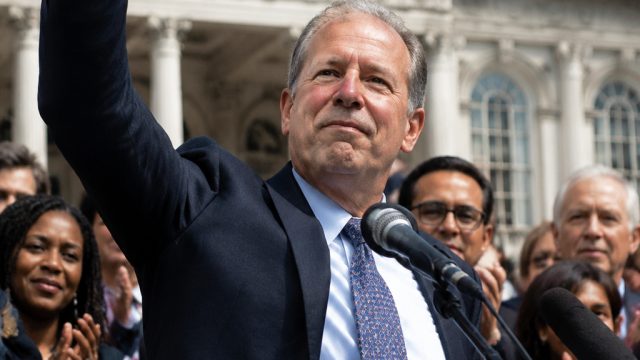
In a significant shake-up within New York’s political arena, Brad Lander has emerged victorious in the recent House primary, defeating incumbent Dan Goldman. This unexpected result not only highlights a shift in voter sentiment but also raises crucial questions about the future landscape of Democratic alliances as the party gears up for upcoming elections.
The Implications of Lander's Win
Lander's triumph signals a broader trend among voters seeking progressive leadership. As the former City Comptroller, his campaign leveraged strong grassroots support and resonated with constituents disillusioned by traditional party politics. This victory is not just a personal achievement for Lander; it represents a potential reconfiguration of power dynamics within the Democratic Party.
Changing Dynamics Within the Democratic Party
The primary results indicate a possible shift towards progressive candidates, who are increasingly challenging established figures within the party. Lander’s backing by influential progressive groups underscores the growing divide between traditional Democratic values and a new, more activist-driven agenda.
- Increased focus on environmental policies
- Advocating for social justice reforms
- Emphasis on affordable housing initiatives
What This Means for Future Elections
With the primary results signaling a potential shift, the upcoming elections will likely see more progressive candidates entering the fray. Lander’s win may embolden others to challenge incumbents, leading to a more competitive political landscape.
Political analysts suggest that Lander’s win could influence key policies and legislative priorities moving forward. His victory indicates a demand for change among constituents, which could prompt a reevaluation of existing political strategies.
The Voter Base and Its Influences
The demographics of Lander's support paint a compelling picture of a changing electorate. Young voters, particularly those engaged in activism, played a crucial role in his primary success. Understanding these voter dynamics could be essential for future campaigns.
Engaging Young Voters
In an era where social issues dominate the public discourse, captivating the younger demographic is vital. Lander’s campaign effectively utilized digital platforms to energize and mobilize young voters:
- Active presence on social media platforms
- Targeted outreach to college students
- Engagement in local community events
Key Issues for Voters
The concerns that swayed voters towards Lander included:
- Climate change and environmental sustainability
- Healthcare access and reform
- Equitable economic opportunities
The Road Ahead for Lander
As Lander prepares for the challenges ahead, he must navigate the complexities of his constituency while remaining true to the progressive ideals that propelled him to victory. His approach in addressing local issues and building bipartisan support will be critical in determining his effectiveness in office.
Building Coalition and Support
Effective governance will require Lander to reach across the aisle to foster collaboration with other lawmakers, including those who may have supported Goldman. Establishing a network of allies could enhance his ability to enact meaningful change and serve his constituents effectively.
Expectations from Constituents
Voters will be closely watching Lander’s actions as he takes office. They expect transparency, accountability, and a commitment to the progressive principles that were central to his campaign. Meeting these expectations will be crucial for maintaining support in future elections.
Conclusion: A New Era for New York Politics
Brad Lander's victory in the NY House primary marks a pivotal moment in the shifting landscape of New York politics. As he embarks on this new journey, the implications of his win will resonate far beyond the immediate election cycle, challenging traditional dynamics and setting the stage for future political developments. Voters are eager for change, and Lander's leadership could be a defining factor in shaping the future of the Democratic Party in New York.