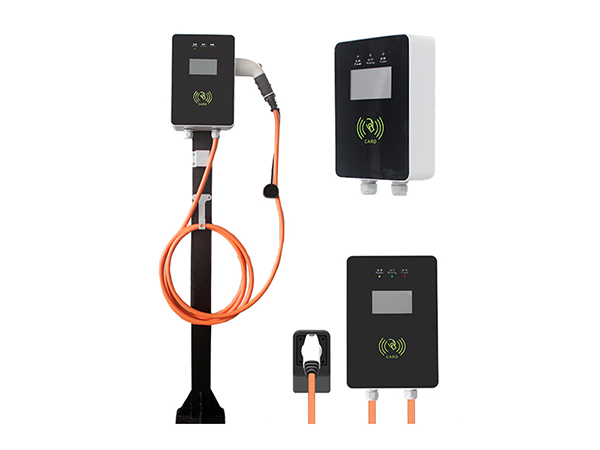
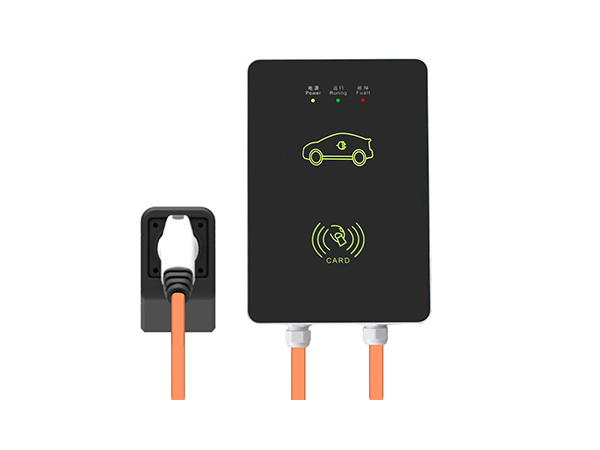
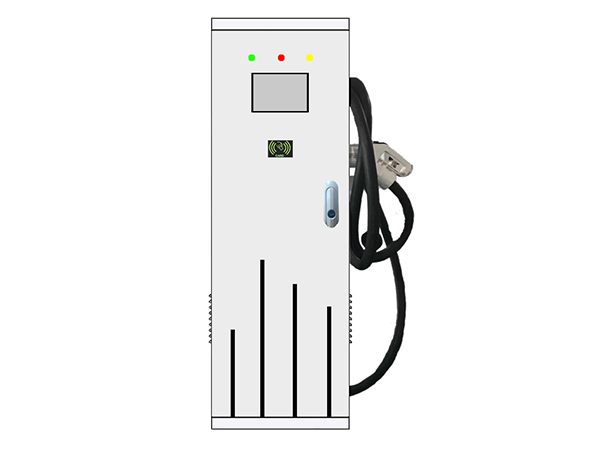
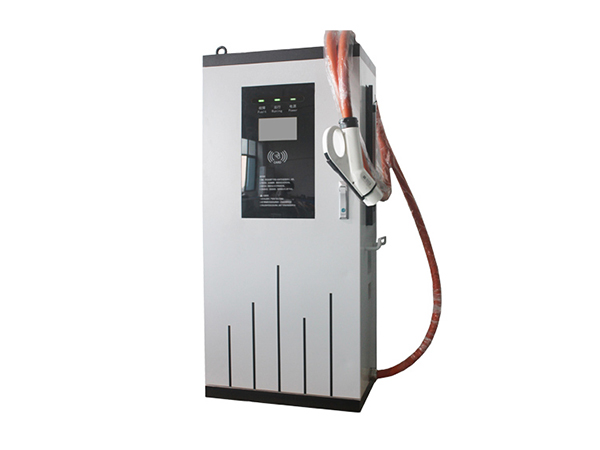
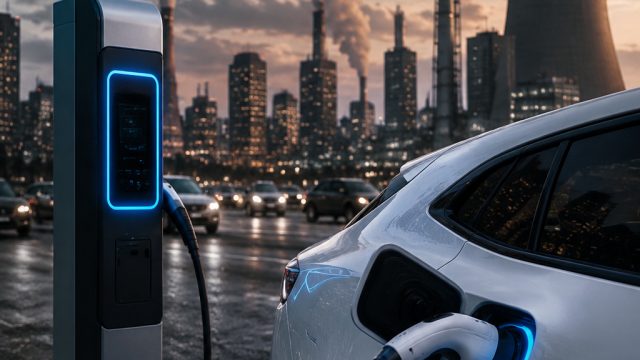
As we navigate through unprecedented energy challenges worldwide, the importance of sustainable solutions is more pressing than ever. The ongoing energy crisis is not only impacting households but also affecting public transportation systems. With rising fuel costs and shortages, the adoption of electric vehicles (EVs) is gaining momentum, paving the way for innovative charging solutions.
The Current Energy Landscape
Recent reports indicate a significant strain on energy resources, particularly in urban centers where demand continually exceeds supply. Residents are facing increased hardships, and public transport operators are struggling to keep services running. In this context, electric vehicles present a promising alternative that could mitigate some of these pressing issues.
The Shift Towards Electric Vehicles
The transition to electric vehicles is no longer just an environmental consideration; it has become a crucial strategy in addressing energy shortages. EVs are not only more efficient but also reduce reliance on traditional fuel sources. As various regions experience supply chain issues and gas shortages, the shift to electric mobility is essential.
Benefits of EV Charging Solutions
- Cost-Effectiveness: With electric charging often cheaper than gasoline, EV owners can save significantly on fuel expenses.
- Energy Independence: Utilizing renewable energy sources for charging can reduce dependence on fossil fuels.
- Reduced Emissions: The widespread adoption of EVs can lead to a notable decrease in greenhouse gas emissions.
- Convenient Infrastructure: The expansion of charging networks makes electric mobility more accessible than ever before.
Innovative Charging Solutions on the Rise
As the demand for electric vehicles grows, so does the need for advanced charging solutions. Innovative technologies are being developed to enhance the efficiency and availability of EV charging stations. This includes fast-charging solutions and smart grid technologies that optimize energy use.
Fast-Charging Technologies
Fast-charging stations allow EV owners to recharge their vehicles quickly, making electric vehicles a more viable option for long-distance travel. This technology not only reduces wait times but also encourages more drivers to consider making the switch to electric.
Smart Charging: The Future of Energy Management
Smart charging solutions integrate with mobile apps to provide real-time data on charging station availability, energy costs, and optimal charging times. This not only benefits individual users but also helps manage the load on the energy grid, making energy consumption more efficient.
Addressing the Current Crisis with EV Adoption
The urgency of the current energy situation calls for immediate and sustainable solutions. By investing in EV infrastructure and promoting electric vehicle usage, communities can work towards overcoming the challenges posed by energy shortages.
The Role of Policy and Investment
Government policies play a crucial role in facilitating the growth of EV infrastructure. Incentives for consumers, investments in charging stations, and support for renewable energy adoption are key steps towards a sustainable future.
Community Engagement and Education
To fully capitalize on the benefits of electric vehicles and charging solutions, community engagement is necessary. Educating the public about the advantages of EVs, as well as the available charging solutions, can drive adoption and foster a culture of sustainability.
Conclusion: A Call to Action
The current energy challenges serve as a stark reminder of the need for a shift towards sustainable solutions. Electric vehicles and innovative charging methods not only provide a practical response to energy shortages but also contribute to a cleaner, more sustainable future. Now is the time for communities, businesses, and governments to embrace these changes and invest in the necessary infrastructure to support the widespread adoption of electric vehicles. By taking action today, we can pave the way for a more resilient energy landscape tomorrow.