



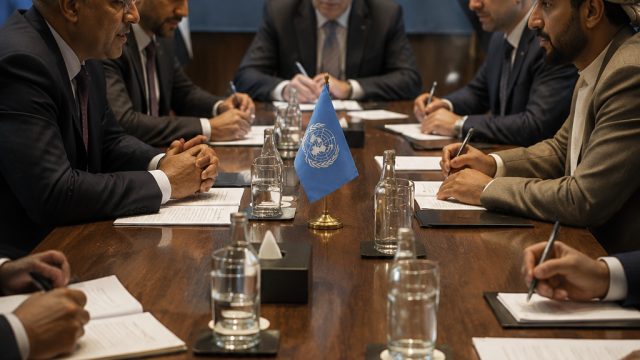
In a significant move towards stabilizing Yemen, recent discussions in Sanaa have highlighted the ongoing diplomatic efforts surrounding the country's peace process. With the presence of key UN officials, including Military Adviser Anthony Hayward, the meeting signifies a renewed commitment to finding a resolution to the ongoing conflict, which has torn the nation apart for years.
Understanding the Context of Yemen's Conflict
The Yemeni conflict, ignited in 2014, has resulted in one of the world’s worst humanitarian crises. Millions remain displaced, and the country faces dire shortages of food, medical supplies, and basic services. The situation calls for urgent international attention, with the UN playing a pivotal role in mediating peace talks and facilitating humanitarian aid.
The Role of the UN in Yemen's Peace Process
The United Nations has been actively involved in Yemen since the onset of the conflict, aiming to promote dialogue among conflicting parties. The recent meeting in Sanaa underscores the UN’s commitment to achieving a peaceful resolution. Key figures like Deputy Foreign Minister Abdul-Wahid Abu Ras and UN envoy representatives gathered to discuss the future transition of the UN Mission in Support of the Hodeidah Agreement (UNMHA).
Recent Developments in the Peace Talks
- High-Level Engagement: The involvement of high-ranking officials from both the Yemeni government and the UN emphasizes the importance of these discussions.
- Security Arrangements: Chief Snezana Vuksa-Kofman led dialogues on security measures, crucial for building trust among conflicting parties.
- Future Prospects: Continued dialogues could pave the way for a more stable political environment in Yemen.
Challenges Ahead
Despite the hopeful tone of recent meetings, several challenges remain. These include:
- Lingering distrust among factions
- Humanitarian access restrictions
- The need for a comprehensive ceasefire agreement
Addressing these issues is essential for fostering a conducive atmosphere for peace talks. The road ahead is fraught with obstacles, but the engagement of international bodies like the UN provides a glimmer of hope.
The Importance of International Support
Support from global powers and regional stakeholders is crucial in reinforcing the UN's peace efforts. Collaborative initiatives can help in:
- Mobilizing resources for humanitarian aid
- Facilitating dialogue between conflicting parties
- Ensuring compliance with peace agreements
As conversations progress, it is vital for the international community to remain invested in Yemen's recovery and stability. Failure to do so risks exacerbating the humanitarian crisis and allows extremism to flourish in the region.
Conclusion: A Path Forward for Yemen
The recent meeting in Sanaa marks a critical juncture in Yemen's ongoing struggle for peace. With the UN’s unwavering support, there is hope for a resolution that not only addresses the immediate humanitarian needs but also paves the way for long-term political stability. As discussions continue, all eyes will remain on the region, awaiting the next steps in this vital peace process. The time for decisive action is now, as the world watches how these pivotal talks unfold.