



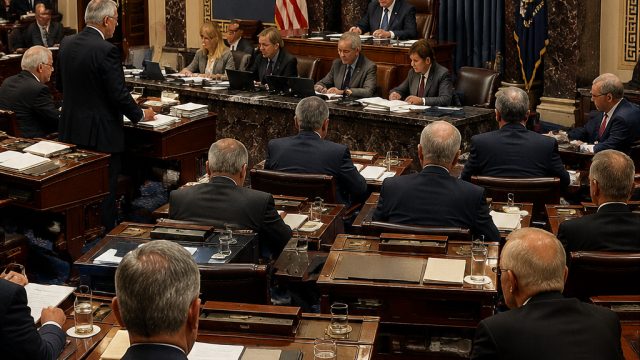
In a pivotal moment for U.S. military engagement, the Senate has voted to restrict the war powers of the President regarding military actions against Iran. This decision has stirred considerable debate, reflecting deep divisions in American politics about the extent of military authority and intervention in foreign conflicts.
The Context Behind the Vote
The recent Senate vote comes amid ongoing tensions between the U.S. and Iran, a situation exacerbated by previous military actions and the overarching geopolitical climate. Senators from both parties have expressed concerns about the potential for escalation in military conflict, emphasizing the need for congressional oversight.
Why the Change is Significant Now
This legislative action happens at a crucial time. With global stability increasingly threatened by various conflicts, safeguarding congressional authority over military decisions has gained momentum. The Senate's decision reflects a collective desire to prevent unilateral military actions that could lead to prolonged conflicts without public or legislative scrutiny.
- Increased focus on Congress's role in war declarations
- Calls for transparency in military engagements
- Potential implications for future administrations
Political Reactions and Implications
The vote saw a rare bipartisan effort, with several Republican senators breaking ranks to support the resolution. This unusual alignment indicates a growing frustration with unilateral military authority by the executive branch, a sentiment not typically shared across party lines.
Support for the Resolution
Senators who supported the measure argue that it is vital for maintaining a system of checks and balances. They emphasize that military decisions should not rest solely with the President, especially concerning matters as serious as conflict with Iran.
Opposition Voices
On the flip side, some lawmakers believe that limiting presidential military powers could undermine national security. They argue that in rapidly evolving situations, the ability to act decisively is critical for protecting U.S. interests abroad.
The Broader Impact on U.S.-Iran Relations
The passage of this resolution is likely to have lasting effects on U.S.-Iran relations. As tensions between the two nations remain high, restricting military action without congressional approval may lead to a more diplomatic approach rather than one based on immediate military response.
Future Considerations
As the geopolitical landscape continues to shift, the Senate's stance on military engagement will serve as a reference point for future discussions on U.S. foreign policy. Key areas to watch include:
- Potential new legislation to further define military engagement limits
- The impact on negotiations related to Iran's nuclear program
- Public opinion and its influence on legislative action
Conclusion
The recent Senate vote to limit presidential war powers concerning Iran is a clear indication of the evolving nature of U.S. military policy. As concerns about unchecked military engagement grow, this decision highlights the critical need for congressional oversight in matters of national security. The implications of this move extend far beyond the immediate context, setting the stage for future debates on the role of the President in military affairs and the essential checks needed to protect democratic processes.