


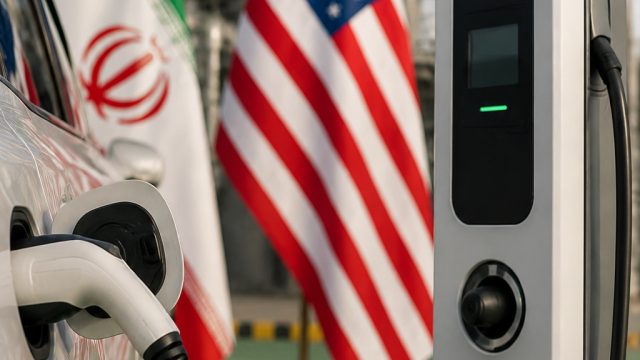
The ongoing standoff between the United States and Iran has escalated, centering around conflicting claims about a potential agreement on nuclear inspections. In the realm of international relations, this dispute holds significant implications, not just for the two nations but for global security as a whole. As the world watches, the latest developments underline the precarious nature of diplomacy in a nuclear age.
Background: The Nuclear Agreement Context
The tensions over nuclear inspections stem from the broader framework of the Joint Comprehensive Plan of Action (JCPOA), an agreement initially forged in 2015. The objective was to curtail Iran's nuclear program in exchange for lifting economic sanctions. However, the agreement has faced numerous hurdles, particularly following the US's withdrawal in 2018, leading to a rift that has yet to heal.
The Stakes Involved
- Geopolitical Stability: A failure to resolve this dispute could lead to increased instability in the Middle East.
- Global Nuclear Proliferation: The situation raises concerns about nuclear weapons development in the region.
- Economic Implications: Continuing sanctions have a profound impact on global oil markets and trade.
The Current Dispute: Who Agreed to What?
At the heart of the current dispute are contrasting narratives. President Trump has asserted that Iran has made concessions regarding nuclear inspections. In contrast, Iranian officials vehemently deny such claims, stating that no agreement has been reached. This discord has led to heightened tensions on both sides.
Key Statements from Leaders
In recent public addresses, both leaders have emphasized their positions:
- Trump's Position: Claims of a complete agreement by Iran on nuclear inspections, emphasizing a tough stance.
- Iran's Response: Rejection of any claims regarding concessions, labeling them as negotiations that lack progress.
Global Reactions and Implications
The international community is closely monitoring this dispute, with reactions varying across different nations. Allies of the US, including European nations, are urging both parties to engage in constructive dialogue. Meanwhile, other global players view this conflict as a potential opportunity for increased influence in the Middle East.
Potential Outcomes
As discussions evolve, several outcomes could unfold:
- Renewed Sanctions: If diplomatic efforts fail, the US may reinstate stricter sanctions against Iran.
- Negotiated Settlement: A breakthrough could lead to a new agreement on nuclear inspections, fostering better relations.
- Increased Tensions: A failure to resolve the situation could ignite further conflict or military posturing.
Conclusion: The Path Forward
The dispute over nuclear inspections between Iran and the United States is more than a diplomatic spat; it is a defining moment in international relations with far-reaching consequences. As both nations navigate this complex landscape, the call for a dialogue that leads to a sustainable resolution has never been more urgent. The world watches closely, hoping for a path that ensures peace and stability in an already volatile region. Understanding these dynamics is essential as global citizens, as the outcomes could shape our future.