



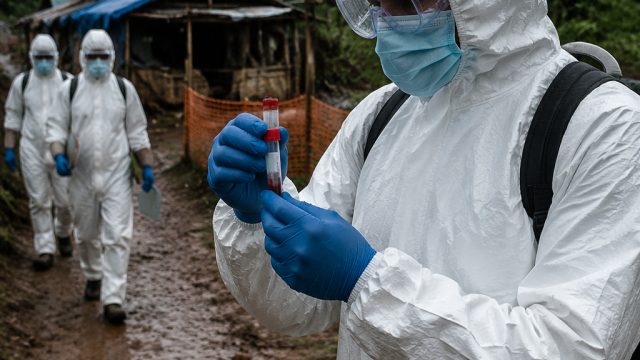
New Surge in Ebola Cases in Congo Raises Global Health Concerns
The World Health Organization (WHO) has reported an alarming spike in Ebola cases from the Democratic Republic of the Congo (DRC), with the country experiencing its highest recorded total of infections in the first month of any outbreak. As health professionals scramble to contain the spread, the implications of this surge resonate far beyond the borders of the affected areas. Understanding the current situation is crucial for global health, safety, and awareness.
The Current Situation: Alarming Statistics
As of recent reports, Ebola cases in Congo have surged past 1,000, with at least 254 fatalities attributed to the virus. The quick escalation raises critical questions about the effectiveness of existing health responses and the potential for further outbreaks, both locally and internationally. This development comes at a time when the health infrastructure in the region is already under significant strain due to ongoing challenges like poverty and resource scarcity.
Impact on Health Workers
One of the most concerning aspects of this outbreak is its impact on frontline health workers. Reports indicate that numerous healthcare professionals have been infected while treating patients. This not only jeopardizes their safety but also risks a significant setback in the overall healthcare response to the epidemic.
- Increased risk for healthcare professionals
- Potential shortage of trained medical staff
- Challenges in providing care to non-Ebola patients
International Response and Preparedness
The global health community is closely monitoring the situation, with several countries and organizations pledging support. The urgency of the situation demands a coordinated international response that prioritizes containment and treatment efforts. Here are some key elements of the ongoing response:
Vaccination and Treatment Strategies
Efforts to deploy vaccines and establish effective treatment protocols are underway, with the hope of curtailing further transmission of the virus. This includes:
- Rapid deployment of Ebola vaccines
- Implementation of isolation protocols for infected individuals
- Enhanced training for healthcare workers on Ebola management
Community Engagement and Awareness
Community involvement is critical in managing the outbreak. Local leaders and health officials are working to educate populations about preventive measures and the importance of seeking medical help promptly. Strategies include:
- Educational campaigns to promote hygiene
- Community meetings to address fears and misinformation
- Support for families impacted by the outbreak
The Global Health Challenge Ahead
The current Ebola outbreak in Congo serves as a stark reminder of the ongoing challenges in managing infectious diseases globally. With the potential for rapid spread in an interconnected world, it is imperative for nations to prioritize public health funding, research, and international collaboration.
Long-Term Implications for Global Health
This situation may have long-lasting implications for global health policies and practices. As countries assess their response capabilities, the lessons learned from this outbreak could shape future strategies for dealing with infectious diseases. Key takeaways include:
- Importance of swift public health response
- Need for sustainable healthcare infrastructure
- International solidarity in health emergencies
Conclusion: A Call to Action
The surge of Ebola cases in Congo is a clarion call for global action. Stakeholders from governments, health organizations, and community leaders must come together to implement effective strategies to control this outbreak. Awareness, funding, and cooperation are essential to not only combat the current crisis but also to fortify defenses against future public health challenges. This is a pivotal moment that demands immediate attention and action from all sectors.