

The summer of 2023 has brought unprecedented heat to Europe, with France experiencing soaring temperatures that have led to a dramatic increase in drowning incidents. As the continent grapples with the consequences of climate change, the urgent need for safety measures has never been more evident.
The Current Situation: What We Know
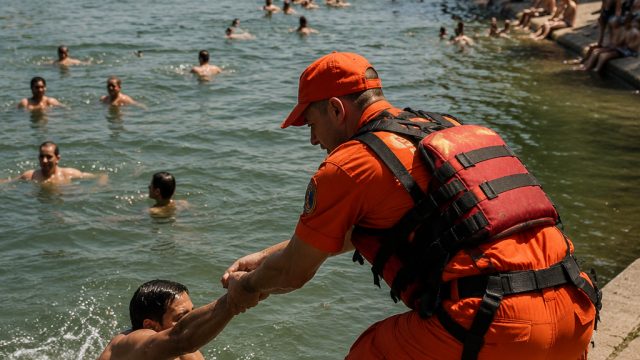
Recent reports indicate that France is facing one of its hottest summers on record, prompting local authorities to issue warnings about the risks associated with swimming in lakes, rivers, and oceans. Following a prolonged heatwave, at least forty individuals have tragically drowned, highlighting the severe impact of extreme temperatures.
Statistics on Drowning Incidents
- Over 40 drownings reported across France in just a few weeks.
- Increased incidents linked to heat exposure and unsafe swimming conditions.
- Emergency services are urging caution, especially among young swimmers.
Why This Matters Now
The current heatwave not only raises awareness about the direct dangers of extreme heat but also emphasizes broader environmental issues. As Europe experiences more severe weather patterns, communities must adapt to these changes to safeguard lives.
Causes of the Increase in Drowning
Several factors contribute to the alarming rise in drowning incidents during heatwaves:
- Inexperience: Many individuals, particularly tourists, may not be familiar with local water conditions.
- Heat Exhaustion: Prolonged exposure to high temperatures can lead to dehydration and fatigue, increasing the risk of accidents.
- Safety Measures: Lack of awareness regarding safety precautions and swimming guidelines.
Preventative Measures for Safer Summer Activities
As we navigate the challenges posed by extreme heat, it is essential to prioritize safety. Here are some effective strategies to minimize risks while enjoying summer activities:
1. Stay Informed
Keep an eye on weather forecasts and heed local advisories regarding swimming conditions.
2. Swim with Caution
Only swim in designated areas where lifeguards are present, and be mindful of water safety regulations.
3. Hydration is Key
Ensure you drink plenty of water before, during, and after engaging in outdoor activities.
4. Know Your Limits
Be aware of your swimming abilities and avoid challenging conditions or deep waters unless you are confident.
5. Use Protective Gear
Wearing life jackets, especially for children and inexperienced swimmers, can significantly enhance safety.
Conclusion: A Call to Action
The ongoing heatwave in France is a stark reminder of the urgent need to address climate change and its impact on public safety. As drowning incidents rise, it is crucial for individuals, families, and communities to take proactive steps to ensure a safer environment during these challenging summer months. By staying informed, swimming wisely, and prioritizing hydration, we can minimize risks and enjoy the beauty of summer while remaining safe.