India's Vision: Localizing EV Components by 2030
India is on the brink of a significant transformation in its electric vehicle (EV) sector, with a new report suggesting that the country aims to localize a substantial portion of its EV components by 2030. This initiative is not only a matter of national pride but also essential for the sustainability of the EV industry in India, as it seeks to reduce dependence on imports and foster domestic manufacturing capabilities.
The Importance of Localization in the EV Sector
Localization of EV components is critical for several reasons:
- Cost Efficiency: By producing components locally, manufacturers can reduce costs significantly, passing these savings on to consumers.
- Supply Chain Stability: Local production mitigates risks associated with global supply chain disruptions, a challenge highlighted during recent global events.
- Job Creation: Increasing local manufacturing will create numerous jobs, boosting the economy and providing employment opportunities in various sectors.
Current State of India's EV Market
The Indian EV market is witnessing rapid growth, driven by both government incentives and increasing consumer demand for cleaner transportation solutions. According to industry analysts, the adoption of electric vehicles is expected to surge as manufacturers ramp up production and charging infrastructure expands.
Government Initiatives Supporting Localization
The Indian government has rolled out several initiatives aimed at enhancing localized manufacturing, including:
- Production-Linked Incentive Schemes: These incentives encourage manufacturers to set up local production units, making it more appealing to invest in domestic manufacturing.
- Research and Development Grants: Funding for R&D in EV technologies is helping companies innovate and develop advanced components locally.
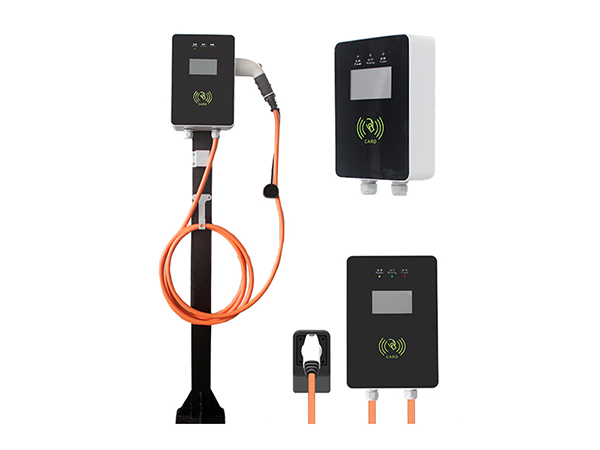
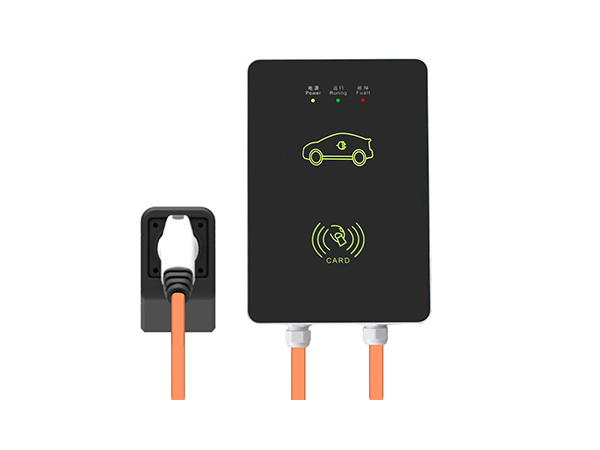
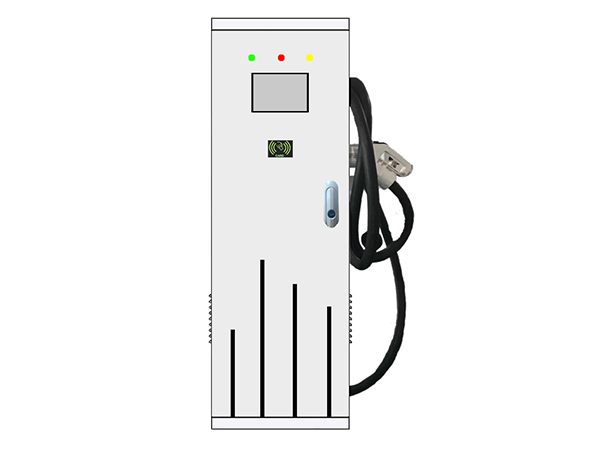
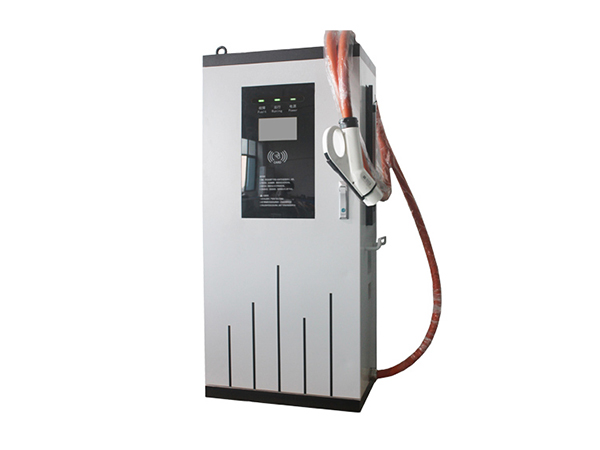
- Infrastructure Development: The government is investing heavily in EV charging solutions, creating a robust ecosystem to support the growing electric vehicle market.
Challenges Ahead for Localization Efforts
While the localization targets are ambitious, several challenges must be addressed:
- Quality Control: Ensuring that locally-produced components meet international quality standards is crucial for consumer safety and satisfaction.
- Investment Requirements: Substantial investment is needed to build manufacturing facilities and develop supply chains that are efficient and reliable.
- Skilled Workforce: A skilled workforce is necessary to meet the demands of advanced manufacturing processes; thus, investment in training and education will be vital.
Looking Towards the Future
As India strives to localize its EV component production, various stakeholders, including manufacturers, government bodies, and consumers, play an essential role in this journey. The collaboration among these entities will be crucial in overcoming the challenges and maximizing the opportunities presented by localization.
Additionally, companies focused on EV charging solutions, like Elmoraq, are positioned to benefit from this shift towards local production. With advancements in EV technology and a commitment to sustainability, the future of the Indian EV market looks promising.
Conclusion: The Road Ahead for India's EV Localization
India's ambitions for localizing EV components by 2030 signal a powerful shift toward self-reliance and sustainability in the automotive sector. This commitment not only aligns with global trends toward greener technologies but also showcases India's potential as a manufacturing hub for electric vehicles. As the nation embarks on this path, staying informed about developments in EV policies, technologies, and infrastructure will be crucial for all stakeholders involved.