Key Takeaways
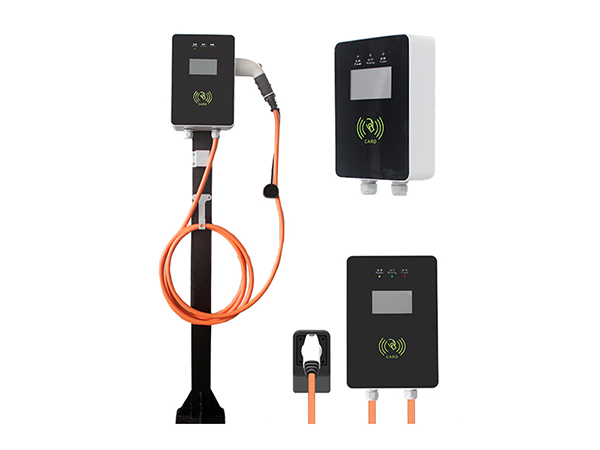
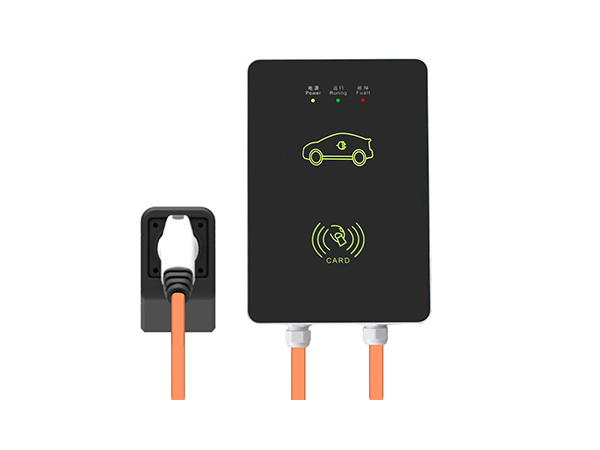
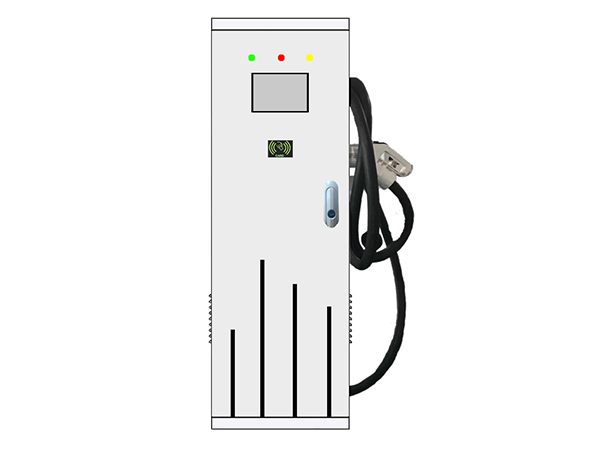
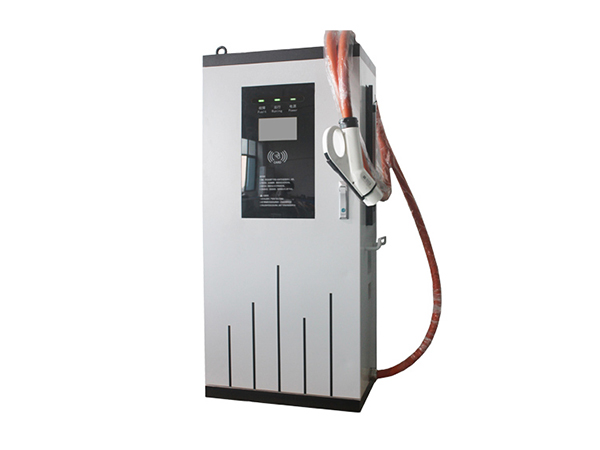
- ELEKTROS is enhancing its high-speed charging infrastructure.
- The company targets emerging markets in Southeast Asia.
- Indonesia shows significant growth potential for EV adoption.
- High-speed charging solutions are vital for customer satisfaction.
- The EV market is evolving rapidly amid rising environmental concerns.
Innovation in EV Charging Infrastructure
The demand for electric vehicles (EVs) is on the rise across Southeast Asia, and ELEKTROS is at the forefront of this transformative wave. By focusing on high-speed charging solutions, the company aims to address one of the most pressing challenges in the EV industry—charging time. As more drivers opt for electric vehicles, the need for efficient charging infrastructure becomes paramount.
Market Trends in Southeast Asia
According to recent reports, the EV market in Southeast Asia is projected to grow significantly, with Indonesia leading the charge. With the Indonesian government advocating for cleaner energy and sustainable transportation, ELEKTROS sees a golden opportunity to establish its presence.
Why Speed Matters
Charging speed is crucial for customer adoption of EVs. Traditional charging methods can take several hours, leading to range anxiety among potential users. High-speed charging stations offer a solution, enabling users to recharge their vehicles in a fraction of the time. This convenience could greatly enhance consumer confidence and encourage more individuals to make the switch to electric vehicles.
ELEKTROS’s Strategic Approach
To adapt to the unique needs of the Indonesian market, ELEKTROS is planning strategic partnerships with local businesses and municipalities. By collaborating with stakeholders, they aim to deploy charging stations in high-traffic areas such as Jakarta, Surabaya, and Bali, ensuring accessibility for EV owners. This localized approach not only supports infrastructure development but also fosters community engagement.
Benefits of Local Partnerships
Working alongside local entities allows ELEKTROS to understand better the region's specific challenges and requirements. For instance, they can tailor their technology and services to meet local needs, thereby improving user experience and driving further adoption of electric vehicles.
Environmental Impact
The urgency for sustainable solutions has never been more critical. With environmental issues at the forefront of global discourse, the transition to electric vehicles can significantly reduce carbon emissions. ELEKTROS is committed to contributing to this cause by providing a robust charging infrastructure that supports green energy initiatives in Indonesia.
Conclusion: The Future is Electric
As the electric vehicle market continues to expand in Southeast Asia, ELEKTROS is well-positioned to lead the charge with its innovative charging solutions. By focusing on speed, accessibility, and sustainability, the company is not just responding to market demands but shaping the future of transportation in Indonesia. For consumers eager to embrace electric mobility, the infrastructure provided by ELEKTROS could be the key to unlocking a greener future.