Introduction
The electric vehicle (EV) market is undergoing a significant transformation, particularly in Southeast Asia, where countries like Indonesia are rapidly adopting sustainable energy solutions. ELEKTROS, a key player in this sector, is celebrating its continued market strength and pushing forward with innovative strategies aimed at enhancing EV charging infrastructure. As the demand for electric vehicles surges, understanding the role of companies like ELEKTROS becomes vital for stakeholders in the automotive and energy sectors.
Key Takeaways
- ELEKTROS is enhancing its strategic vision for EV charging solutions.
- Growing interest in electric vehicles is evident across Southeast Asia.
- Investment in charging infrastructure is crucial for market growth.
- Indonesia is emerging as a leader in the EV transition within ASEAN.
- Next-generation technology is focused on user-friendly and efficient solutions.
Market Trends and Implications
As the global automotive industry shifts towards electric mobility, Southeast Asia has emerged as a significant player due to its large population and urbanization trends. The Indonesian market is particularly ripe for growth, with cities like Jakarta and Surabaya leading the charge. Reports indicate that the number of EVs sold in Indonesia is expected to multiply in the coming years, driven by government incentives and public awareness campaigns about sustainability.
Government Initiatives Driving Change
The Indonesian government has made substantial commitments to promoting electric vehicles, including tax incentives for manufacturers and consumers alike. This policy framework not only aims to reduce greenhouse gas emissions but also seeks to position Indonesia as a hub for green technology in the ASEAN region. With the government's backing, companies like ELEKTROS are incentivized to invest in expanding their EV charging networks.
Technology Advancements in EV Charging
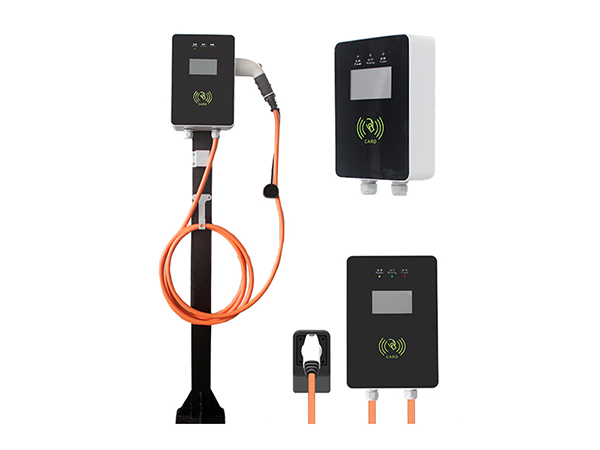
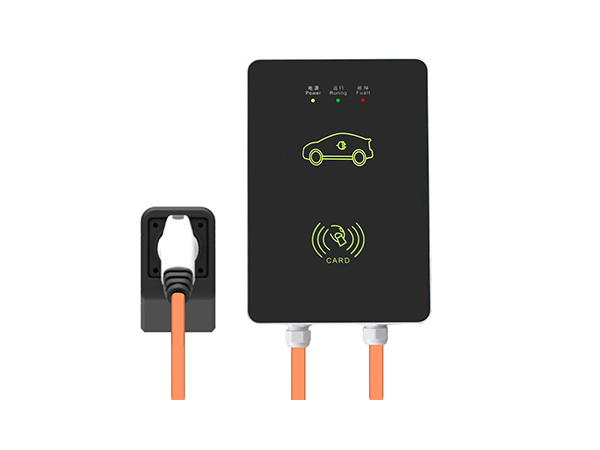
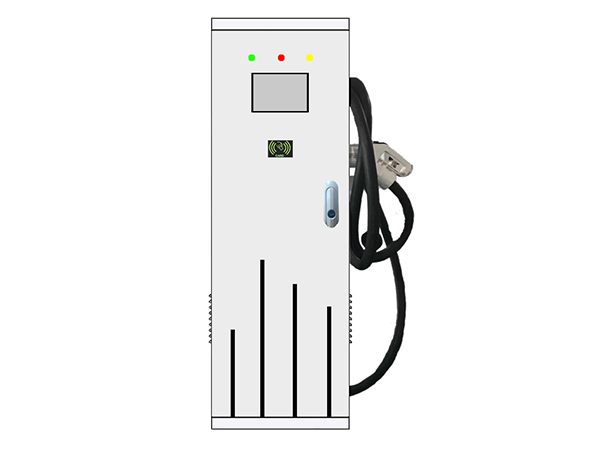
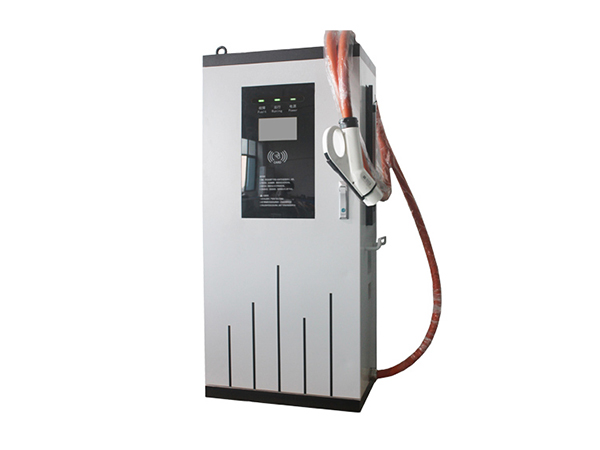
ELEKTROS is at the forefront of technological innovation in EV charging solutions. Their product line features advanced charging stations that cater to a variety of vehicle types, integrating AI-driven capabilities for enhanced user experience. This technology ensures faster charging times and seamless connectivity, allowing drivers in busy urban settings to recharge conveniently and efficiently.
Challenges and Opportunities
While the prospects for EV growth seem bright, several challenges remain, including the need for extensive charging infrastructure and consumer education. The availability of charging stations is fundamental in building consumer confidence and encouraging EV adoption. ELEKTROS recognizes this and is actively working to expand its network in key locations, from urban centers to highway rest areas, ensuring accessibility for all drivers.
Building Consumer Confidence
Education plays a crucial role in increasing EV adoption. By hosting workshops and informational sessions, ELEKTROS aims to demystify electric vehicles and reassure potential customers about their performance, reliability, and environmental benefits. This grassroots approach is essential for transforming public perception and paving the way for wider acceptance of EV technology.
Conclusion
The future of electric vehicle charging solutions looks promising in Southeast Asia, particularly in Indonesia. With companies like ELEKTROS leading the charge, the market is set to witness rapid advancements in technology and infrastructure. By addressing challenges and leveraging government support, ELEKTROS is not only enhancing its position in the market but also contributing to the broader goal of a sustainable energy future. As we move forward, the emphasis on innovative solutions will be critical in meeting the increasing demand for electric vehicles and ensuring a cleaner, greener future for all.