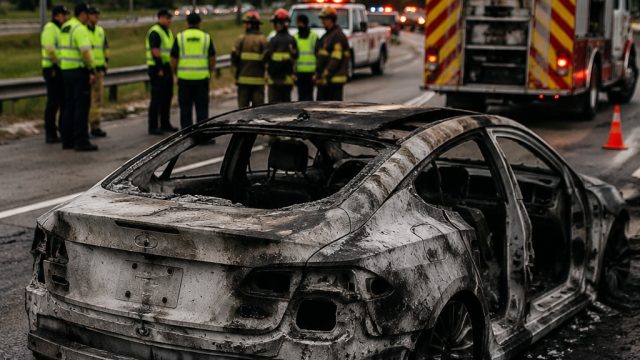
The automotive industry is under increasing scrutiny as a top federal regulator initiates an investigation into a tragic incident involving a Tesla vehicle in Texas. This incident, which led to the death of a 76-year-old man after a Tesla crashed into a home, highlights ongoing concerns regarding electric vehicle (EV) safety and the responsibilities of manufacturers.
The Incident That Shook a Community
On a recent evening, a Tesla reportedly veered off course and struck a residence in Texas, resulting in a fatality that has left the community reeling. The incident occurred in a residential neighborhood, prompting immediate fear and concern among local residents regarding the safety of autonomous driving technology. It raises critical questions about how safe these vehicles are and what measures are in place to prevent such tragedies.
Understanding the Role of Regulators
The National Highway Traffic Safety Administration (NHTSA) is now stepping in to examine the circumstances surrounding the crash. This investigation is part of a broader trend of regulatory bodies increasing their oversight of the rapidly evolving EV market, especially as incidents involving self-driving technology become more frequent. The investigation aims to uncover whether there were any malfunctions in the vehicle's systems or violations of existing safety protocols.
Electric Vehicle Safety: A Growing Concern
As the popularity of electric vehicles continues to rise, so too does the importance of ensuring their safety. This latest incident is a stark reminder of the potential risks associated with advanced vehicle technology. The investigation by the NHTSA is expected to shed light on the following key aspects:
- Vehicle Performance: How did the Tesla's systems respond leading up to the crash?
- Driver Involvement: Was the driver engaged in the operation of the vehicle or was the car in autonomous mode?
- Technological Reliability: Are current safety features adequate to prevent similar incidents?
Public Perception and Trust in EVs
The trust in electric vehicles hinges on their perceived safety. Incidents like this can significantly impact consumer confidence and the overall market for EVs. Many potential buyers may hesitate to invest in electric vehicles if they believe that these cars pose safety risks. Manufacturers and regulators will need to work together to ensure that safety remains a priority—and that the public is informed about the steps being taken to enhance vehicle safety.
What This Means for the Future of EV Regulations
This tragic event is not an isolated one; it reflects broader trends in the automotive industry where technology is outpacing regulation. As the NHTSA investigates this incident, it may lead to tighter regulations and improved technology standards for all EV manufacturers. The implications for policies regarding self-driving capabilities and accident liability could be vast, including:
- Stricter testing requirements before vehicles can be released to the public.
- Enhanced manufacturer accountability for vehicle performance.
- Potential new laws addressing the use of autonomous driving features.
Industry Response and Moving Forward
The automotive industry must respond proactively to this incident. Major manufacturers, particularly those focusing on self-driving capabilities, will need to assess their safety measures, update their technology, and ensure compliance with evolving regulations. Public transparency about safety protocols and incident responses will be vital to restore trust among consumers.
Conclusion: A Call for Increased Safety Standards
The ongoing investigation into the Tesla crash underscores the critical need for stringent safety measures in the electric vehicle industry. As technology continues to evolve, the balance between innovation and safety must not only be maintained but enhanced. Moving forward, both regulators and manufacturers must prioritize consumer safety to prevent tragedies like this from happening again. As we await the outcomes of this investigation, it's essential for stakeholders to advocate for robust safety standards that protect the public and promote confidence in electric vehicles.