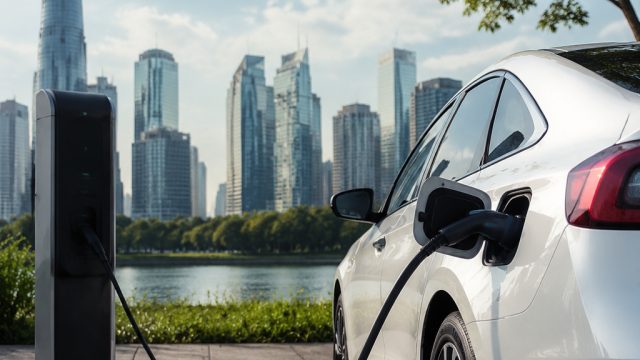
The automotive industry is witnessing a significant shift as electric vehicles (EVs) continue to eliminate one of the last major advantages held by gasoline-powered cars. As technology evolves and environmental concerns escalate, consumers are increasingly opting for sustainable energy solutions. This trend not only impacts personal choices but also reflects broader changes in regulatory policies and market dynamics.
The Evolving Landscape of Automotive Preferences
Once upon a time, gasoline vehicles had the upper hand in terms of convenience and accessibility. However, as charging infrastructure expands and battery technology improves, the scale is tipping in favor of EVs. Recent studies show that the number of electric vehicles registered is surging, indicating that consumers are now more open to this alternative. But what exactly is driving this shift?
1. Advancements in Charging Infrastructure
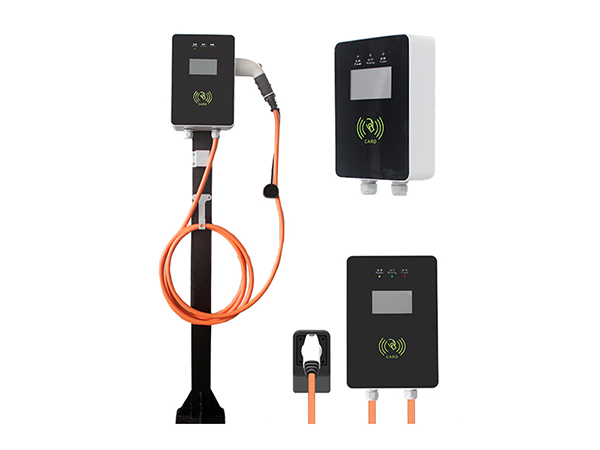
One of the primary concerns for potential EV owners has been the availability of charging stations. Fortunately, this issue is diminishing rapidly. Major cities are witnessing an influx of charging points, making it easier for drivers to transition:
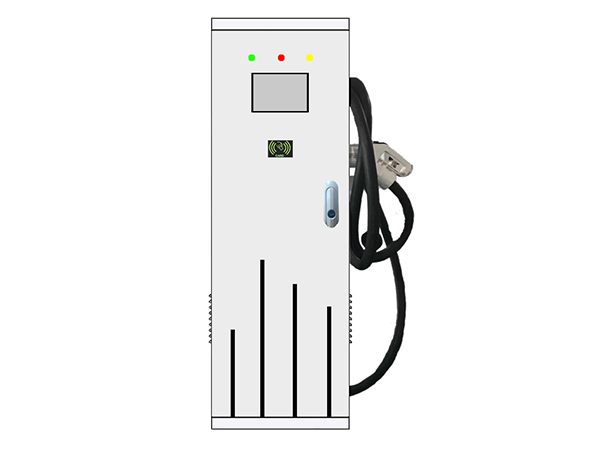
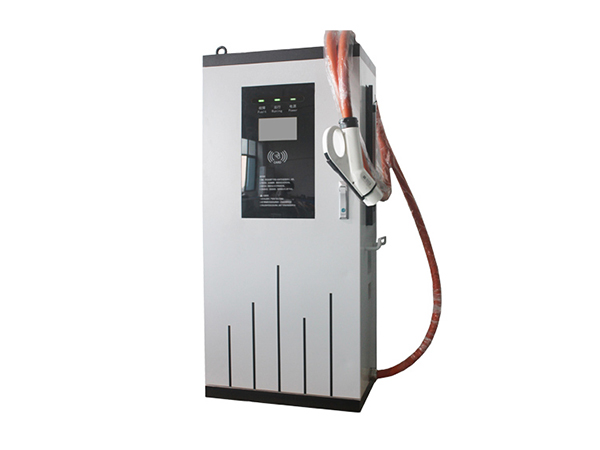
- Public Charging Stations: Cities like Los Angeles and New York are investing heavily in charging networks.
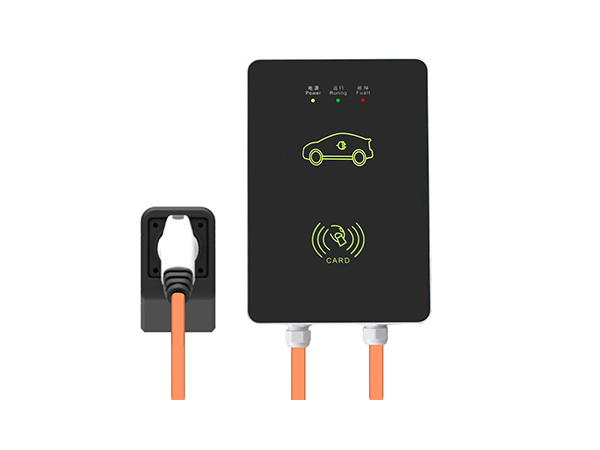
- Home Charging Solutions: Many homeowners are opting for easy-to-install charging devices, making EV ownership more convenient.
- Faster Charging Technologies: New innovations allow for rapid charging, reducing downtime for users.
2. Environmental Accountability
With increasing awareness of climate change and environmental degradation, consumers are becoming more conscientious about their carbon footprint. Electric vehicles present a cleaner alternative:
- Zero Emissions: EVs produce no tailpipe emissions, contributing significantly to cleaner air quality.
- Renewable Energy Integration: The potential to charge EVs using solar or wind energy enhances sustainability.
- Government Incentives: Many regions offer tax credits and rebates for EV purchases, making them more financially attractive.
Shifts in Consumer Behavior
As consumers increasingly recognize the benefits of electric vehicles, their buying habits are changing significantly. Research reveals that younger generations, particularly Millennials and Gen Z, prioritize sustainability and are more willing to invest in eco-friendly products. This generational shift is vital for the future of the automotive industry:
1. Rising Demand for EVs
Automakers are taking note of this changing tide and are ramping up production of electric vehicles:
- New Models: Major brands are introducing a range of models to cater to diverse consumer preferences.
- Innovative Features: Many EVs are equipped with cutting-edge technology that enhances user experience.
- Performance Improvements: Modern electric vehicles can rival gas cars in speed and efficiency.
2. Long-Term Cost Savings
While the initial investment for electric vehicles can be higher, the long-term savings often outweigh this concern. Consider the following:
- Lower Fuel Costs: Electricity for charging tends to be cheaper than gas, leading to significant savings over time.
- Reduced Maintenance: EVs generally require less upkeep than their gas counterparts, further lowering costs.
- Tax Benefits: The potential for tax incentives can make purchasing an EV more appealing.
Conclusion: The Future is Electric
As we navigate through 2023, the automotive landscape is changing rapidly, and electric vehicles are at the forefront of this revolution. The declining advantages of gasoline-powered cars, coupled with the rising popularity of EVs, signify a monumental shift that cannot be overlooked. Embracing electric vehicles is not just a trend; it’s a necessary step toward a more sustainable future. For those considering a vehicle upgrade, now is the perfect time to explore the exciting world of electric mobility through solutions offered by Elmoraq.