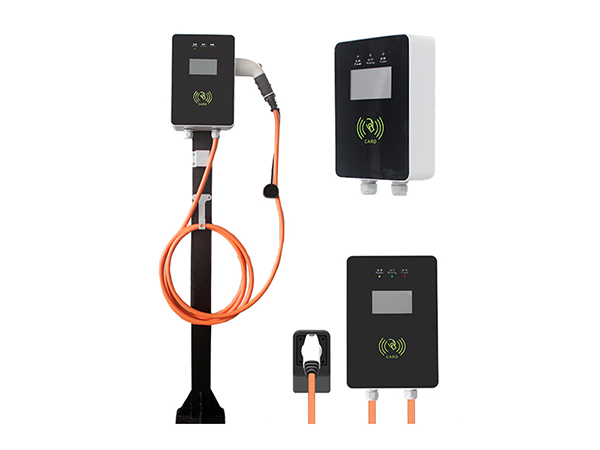
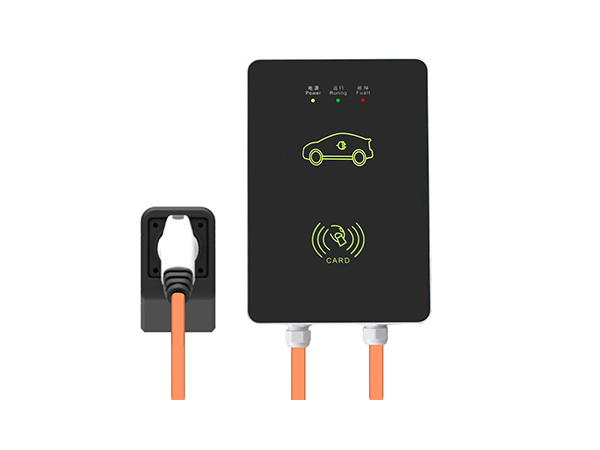
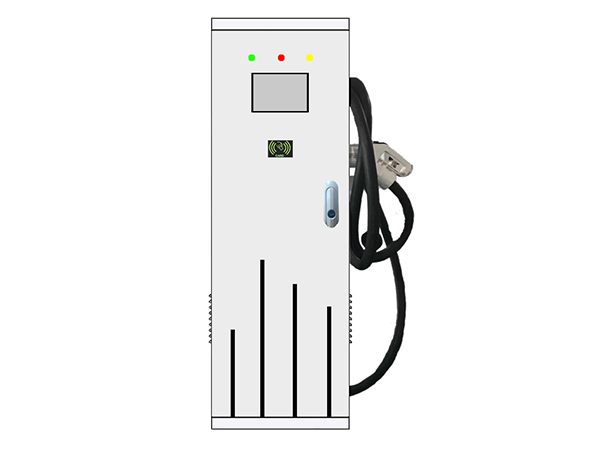
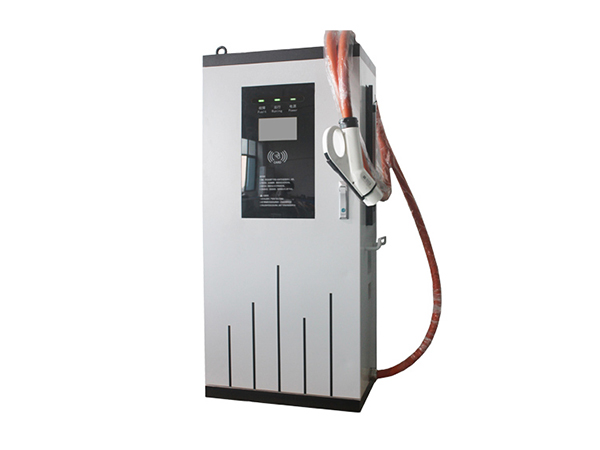
As the world increasingly shifts towards electric vehicles (EVs), China's charging infrastructure is experiencing unprecedented growth. Recent reports indicate that as of May 2023, the nation boasts over 22.49 million EV charging units. This remarkable figure represents a 44.9% surge compared to the previous year, highlighting China's commitment to sustainable transportation solutions.
The Importance of a Robust Charging Infrastructure
With the global automotive landscape evolving, the expansion of charging stations is essential not only for EV adoption but also for addressing range anxiety among potential electric vehicle owners. A comprehensive charging network encourages more consumers to consider switching from gasoline-powered cars to electric alternatives.
Understanding the Growth in Numbers
The impressive increase in charging units can be attributed to several factors:
- Government Initiatives: Chinese authorities have implemented policies aimed at boosting EV adoption, including incentives for both manufacturers and consumers.
- Technological Advancements: Innovations in charging technology, such as faster charging times and enhanced user interfaces, make EVs more appealing.
- Private Sector Investment: A surge in investment from private companies has led to the rapid installation of charging points across urban and rural areas.
How This Affects the Global EV Market
China's advancements in EV charging infrastructure not only have implications for its domestic market but also resonate globally. As the largest automotive market, China's push towards electric mobility influences manufacturers and policy-makers worldwide.
Potential Benefits for Consumers
As charging networks expand, several benefits emerge for consumers:
- Increased Accessibility: More charging stations lead to greater convenience for EV owners, allowing for easier travel and less downtime.
- Cost Savings: With the growth of charging infrastructure, competition among providers can result in lower charging costs, benefiting users.
- Enhanced Range Confidence: A denser network of charging points alleviates concerns about running out of battery, making EVs more attractive to a wider audience.
The Future Landscape of EV Charging in China
Looking ahead, the trajectory of China's EV charging infrastructure appears promising. Analysts predict that continued investment and technological development will further enhance the network. Key areas of focus for upcoming years include:
1. Integration of Renewable Energy
There is a growing emphasis on integrating renewable energy sources into the charging infrastructure. This shift not only supports sustainability goals but also reduces the carbon footprint associated with charging electric vehicles.
2. Smart Charging Solutions
As technology evolves, smart charging solutions that allow EVs to charge during off-peak hours or when renewable energy is abundant will become more prevalent. These advancements will improve efficiency and lower electricity costs for consumers.
3. Enhanced User Experience
Future developments will likely focus on improving the user experience, with apps and digital platforms offering real-time data on charging station availability, rates, and charging speeds.
Conclusion: Why This Matters Now
The rapid expansion of EV charging infrastructure in China signifies a crucial turning point in the global transition towards electric vehicles. As the country leads in electric mobility, understanding these developments is vital for stakeholders in the automotive industry, policymakers, and consumers alike. For those considering the switch to electric vehicles or investing in EV technology, keeping abreast of these trends is essential. The time to embrace electric mobility is now, and with it comes the imperative to navigate the evolving landscape of charging infrastructure.