

Nigeria's Transition to Electric Vehicles: Insights from the NAJA Auto Summit
The recent NAJA Auto Summit held in Nigeria has illuminated the nation's evolving landscape in electric vehicle (EV) and compressed natural gas (CNG) technologies. With increasing global emphasis on sustainable energy solutions, the discussions at this event highlight not only current trends but also the critical role Nigeria plays in the broader automotive industry shift towards cleaner energy.
The Role of EVs in Nigeria's Future
The summit showcased various insights regarding Nigeria's potential as a hub for electric vehicle production and adoption. Stakeholders from across the automotive sector gathered to discuss innovations and strategies that could propel Nigeria towards a greener future.
Current Trends in Electric Mobility
With the global automotive industry shifting gears towards electric mobility, Nigeria is not far behind. Key discussions revolved around:
- The importance of government incentives to facilitate the adoption of EVs.
- Investment opportunities within the Nigerian EV market.
- Partnerships between local manufacturers and international EV companies.
Experts underscored that Nigeria must embrace these trends to keep pace with its global counterparts, fostering a competitive environment for both manufacturers and consumers alike.
CNG: An Alternative Energy Source
While the focus on electric vehicles is paramount, the discussions at the NAJA Auto Summit also highlighted the significance of compressed natural gas (CNG) as a viable alternative fuel source.
Benefits of CNG Vehicles
Adopting CNG can offer numerous benefits for Nigeria, including:
- Reduced greenhouse gas emissions compared to traditional gasoline and diesel vehicles.
- Lower fuel costs, making transportation more economical for everyday Nigerians.
- Enhanced energy security by utilizing local natural gas resources.
The integration of CNG vehicles could serve as a bridge as Nigeria transitions towards a fully electric future, providing a cleaner alternative in the interim.
Investment Opportunities and Challenges
Despite the promising outlook, several challenges remain in the push for electric vehicles and CNG adoption in Nigeria. The summit addressed key obstacles that investors and stakeholders must navigate:
Challenges Facing the EV Industry
Some of the primary hurdles include:
- High initial costs of electric vehicles, which deter average consumers.
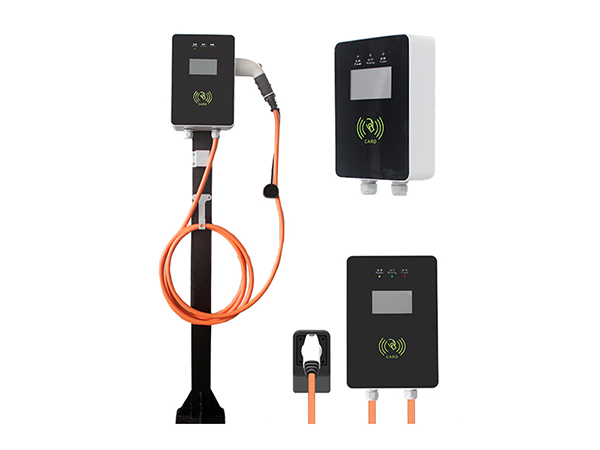
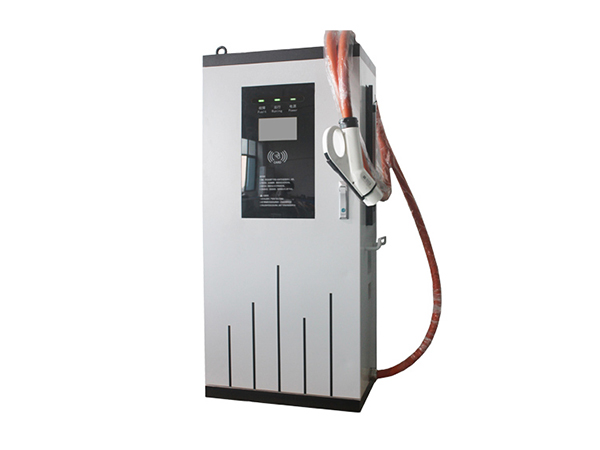
- Lack of widespread charging infrastructure needed to support EVs.
- Regulatory and policy frameworks that need to evolve to support new technologies.
Addressing these challenges is crucial for establishing a robust EV ecosystem in Nigeria, one that can attract foreign investment and enhance consumer confidence.
The Path Forward
As Nigeria positions itself to embrace the electric vehicle revolution, initiatives discussed at the NAJA Auto Summit are likely to play a pivotal role. The collective efforts of government, industry stakeholders, and consumers will determine the pace and success of this transition.
Future Initiatives
To maintain momentum, the following initiatives are essential:
- Increased public awareness campaigns to educate consumers about the benefits of EVs and CNG.
- Investment in research and development to enhance local manufacturing capabilities.
- Collaboration between public and private sectors to create incentives for EV adoption.
The future of Nigeria's automotive industry lies in embracing innovation and sustainability. The insights gained from the NAJA Auto Summit serve as a foundation for these ongoing efforts, ensuring that Nigeria not only participates in the global automotive shift but becomes a leader in the realm of sustainable transportation.
In conclusion, as Nigeria's automotive landscape evolves, it is crucial for all stakeholders to collaborate and innovate. The developments at the NAJA Auto Summit are just the beginning of a transformative journey towards a sustainable automotive future.